Skip to the stories

Abeokuta, Ogun

7.1557° N, 3.3451° E

Local historyHistory

A town that is still arranged around its rock

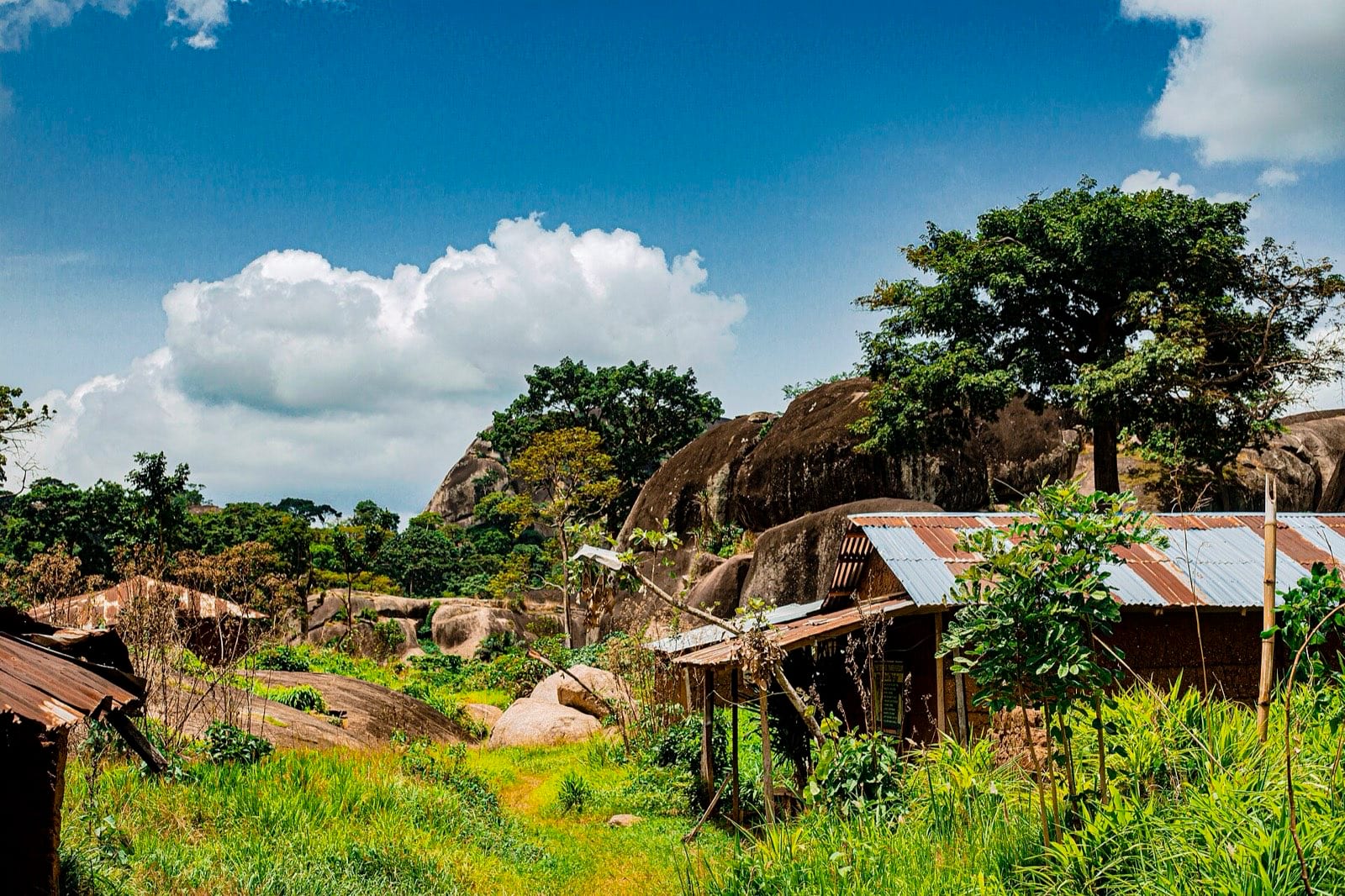
Egba refugees settled under Olumo in the 1830s because it could be defended. Everything since has been built outward from that decision.

Words Chidiebere Okafor

8 min read

The granite mass of Olumo Rock rising above the roofs of Abeokuta.
Olumo. Egba refugees settled beneath this rock in the 1830s because it could be defended, and the town has been arranged around it ever since. Photograph: Adedayo Adesilola / Wikimedia Commons (CC BY-SA 4.0)

About Abeokuta

The name means 'under the rock', and it is literal: Egba refugees settled beneath Olumo in the 1830s because the outcrop could be defended. The rock is still the centre of the town in every sense. Abeokuta produced an unusual concentration of people who changed the country — and the Ogun river below it has been the town's boundary and its laundry for two centuries.

Everything from Abeokuta

Abeokuta means under the rock, and the name is not figurative. In the 1830s, people displaced by the collapse of the Oyo empire and the wars that followed took shelter in the caves and clefts of a granite outcrop, and stayed.

What is unusual about Abeokuta is how much of the country's subsequent history came out of it. The concentration of people from this town who went on to shape Nigeria is disproportionate to its size by a wide margin, and locals will list them for you unprompted.
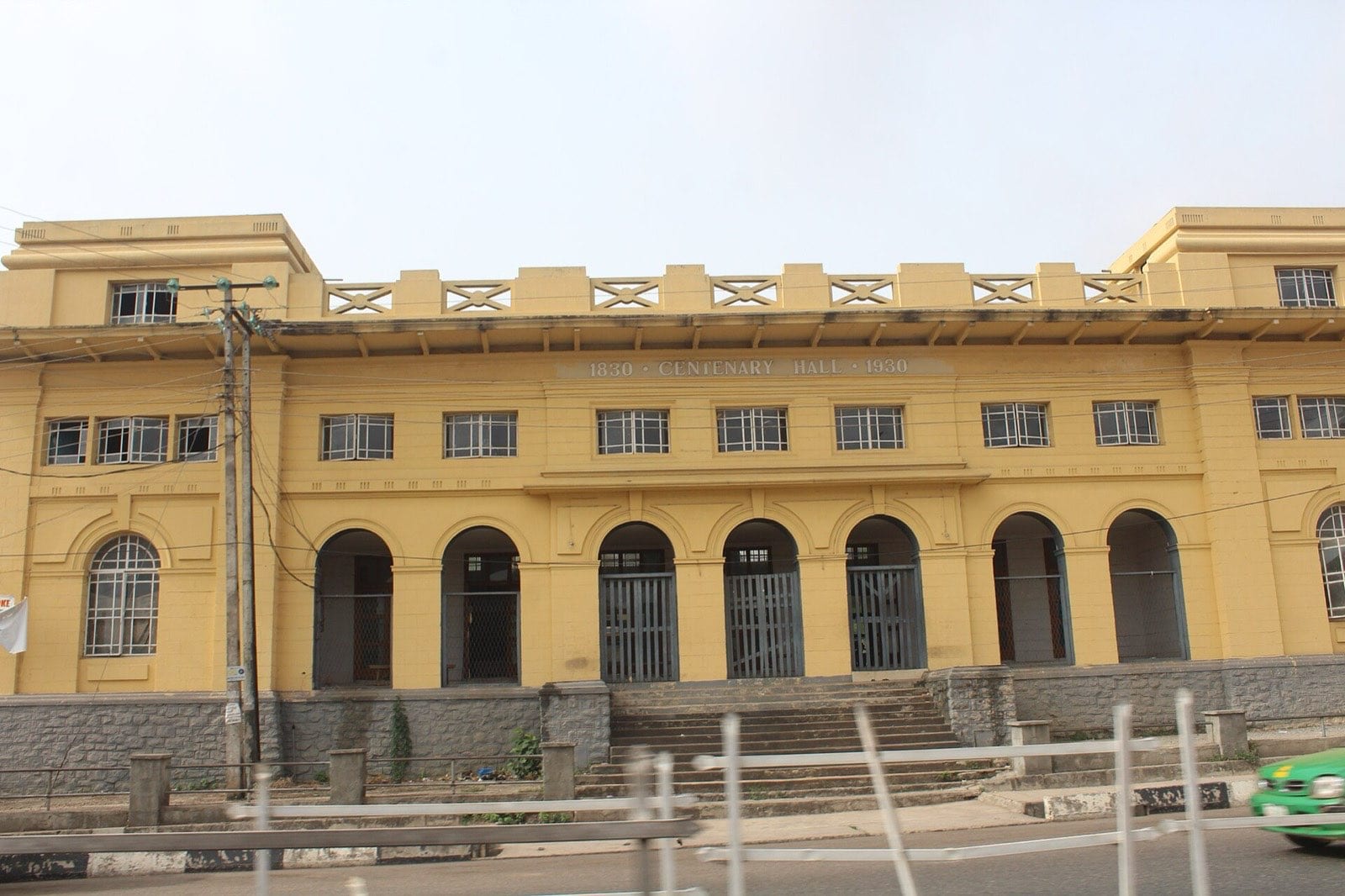
A colonial-era public hall with a colonnaded front.
Centenary Hall, Abeokuta, built in 1950 to mark a hundred years since the last inter-tribal war. Photograph: Yemi festus / Wikimedia Commons (CC BY-SA 4.0)

Centenary Hall was built in 1950 to mark a hundred years of peace after the last inter-tribal war — a commemoration of the absence of something, which is a rarer kind of monument than it should be.
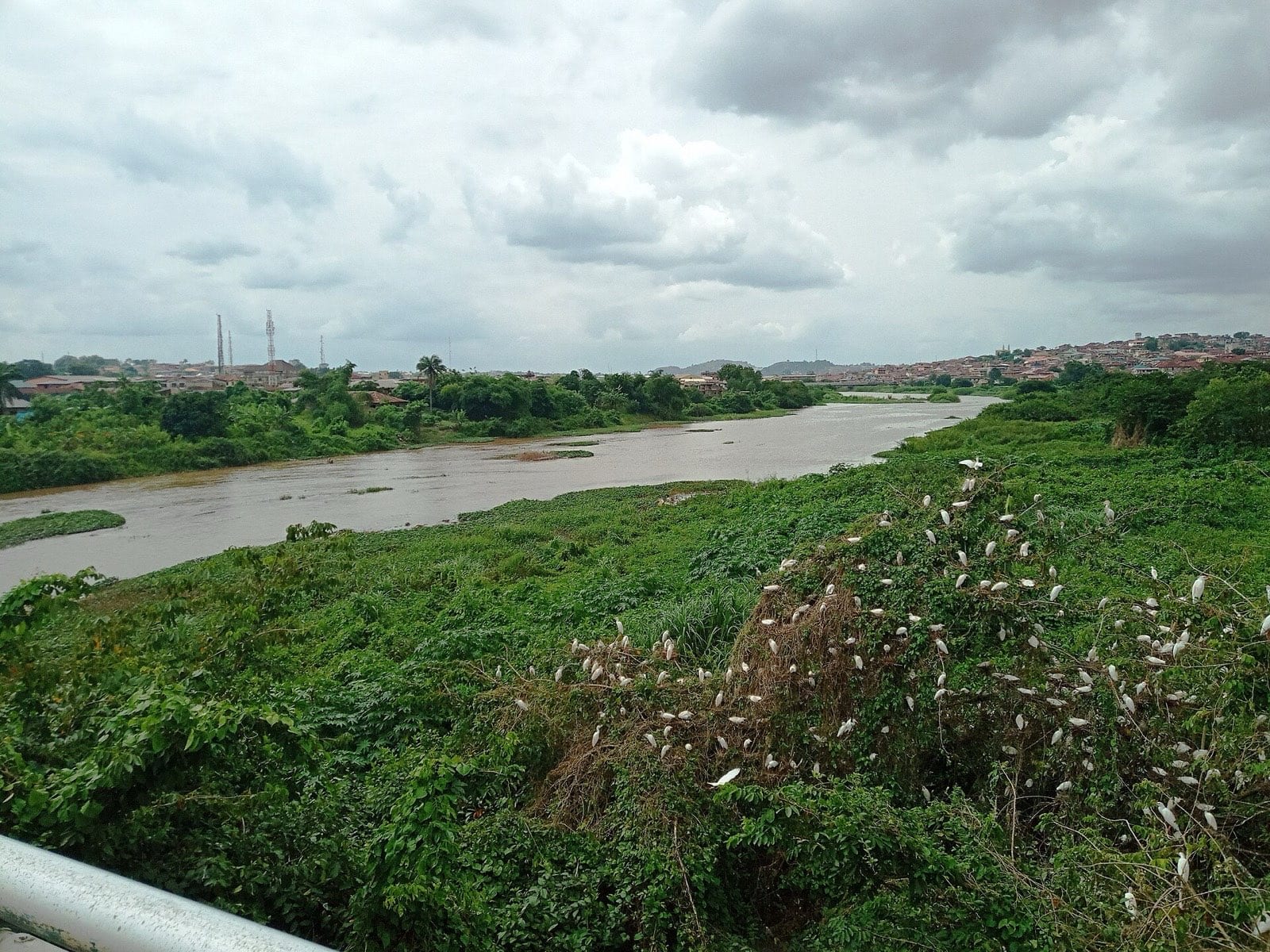
The Ogun river running past rocks below the town.
The Ogun — odo Ogun to the Egba — below Abeokuta. Photograph: Oyelola Opeyemi Emmanuel / Wikimedia Commons (CC BY-SA 4.0)

The Ogun river below the rock — odo Ogun — has been the town's boundary, its laundry and its argument with the neighbouring farmland for two centuries.

Who reported this

Chidiebere Okafor

History editor · Enugu

Works on the histories that are held locally rather than written down, and on the buildings that are the last surviving witness to them.

More from Abeokuta

The place page

Read next

Two, chosen by hand — usually somewhere else in the country.

Nearby places to explore