DispatchKwara8.50°N 4.54°E
A new substation in Kwara, and what it does not do
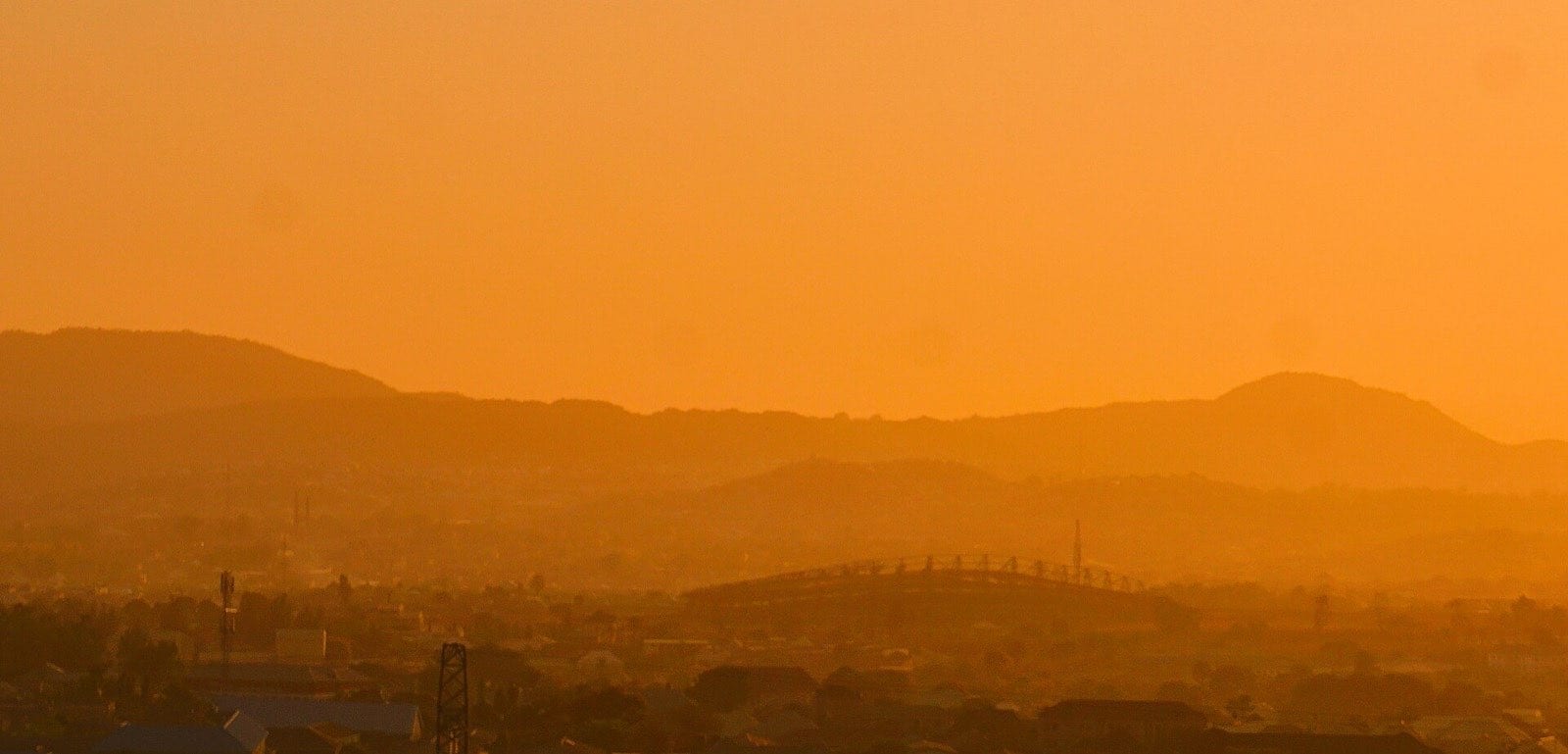
The state has a new piece of the national grid. It is worth being precise about what that changes, because it is not the thing most people will assume.
Where are we going today?
Search cities, states, people and storiesFeatured dispatch
12.0022° N, 8.5920° E
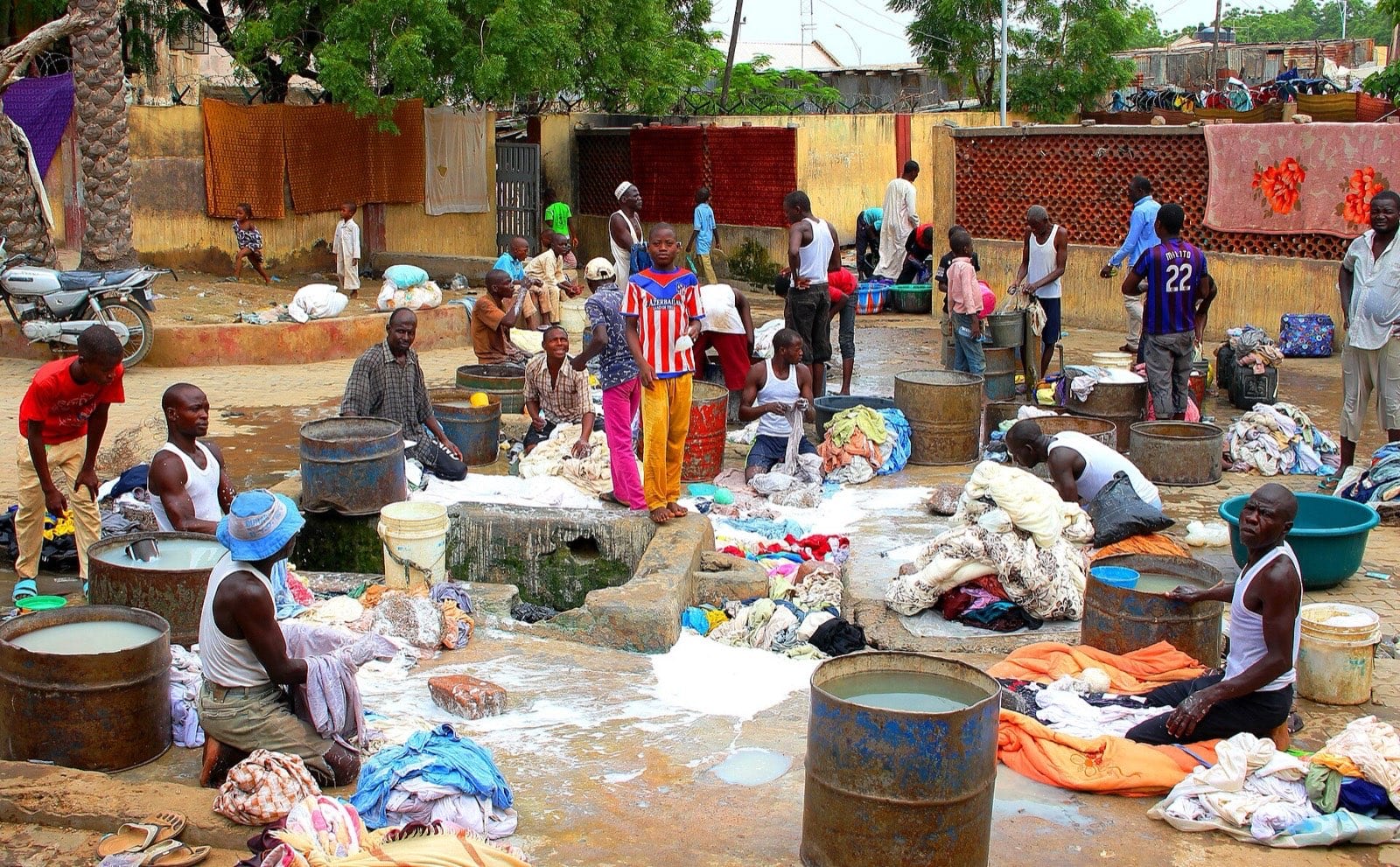
Five hundred years of dyeing in Kano has come down to a few dozen working pits and the men who still know the recipe.
“Nobody photographs the ash.”
Every story here belongs to a place. Start with the place.
Reporting from the six zones, one panel at a time.
The state has a new piece of the national grid. It is worth being precise about what that changes, because it is not the thing most people will assume.
Jos gets genuinely cold, which almost nobody outside Plateau believes until they have spent a January there.
A trade route older than the border it crosses, and a market that has quietly kept working.
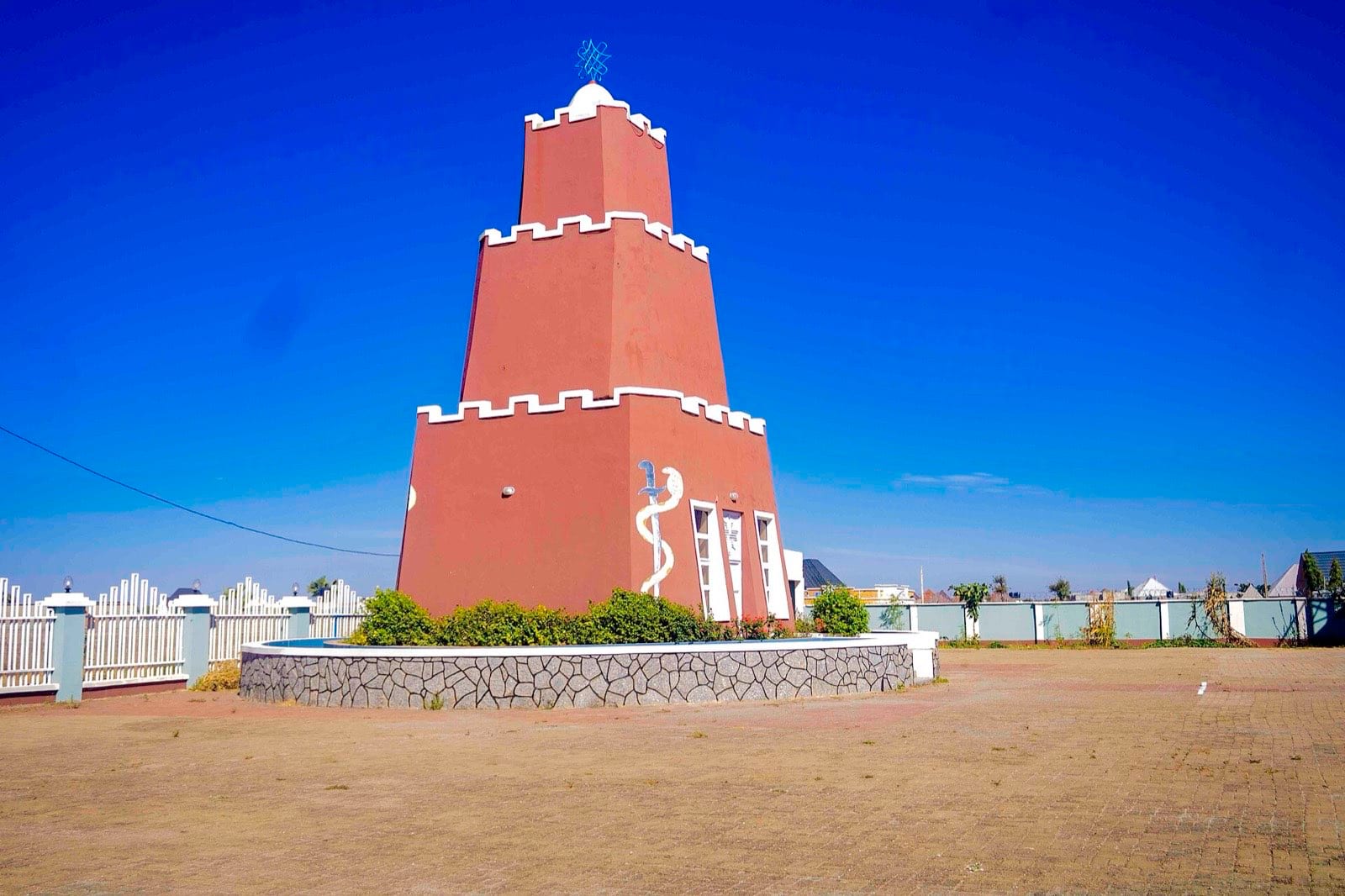
Gobarau has stood in Katsina since the fourteenth century, when the town was a stop on the scholars' road between Timbuktu and Cairo.
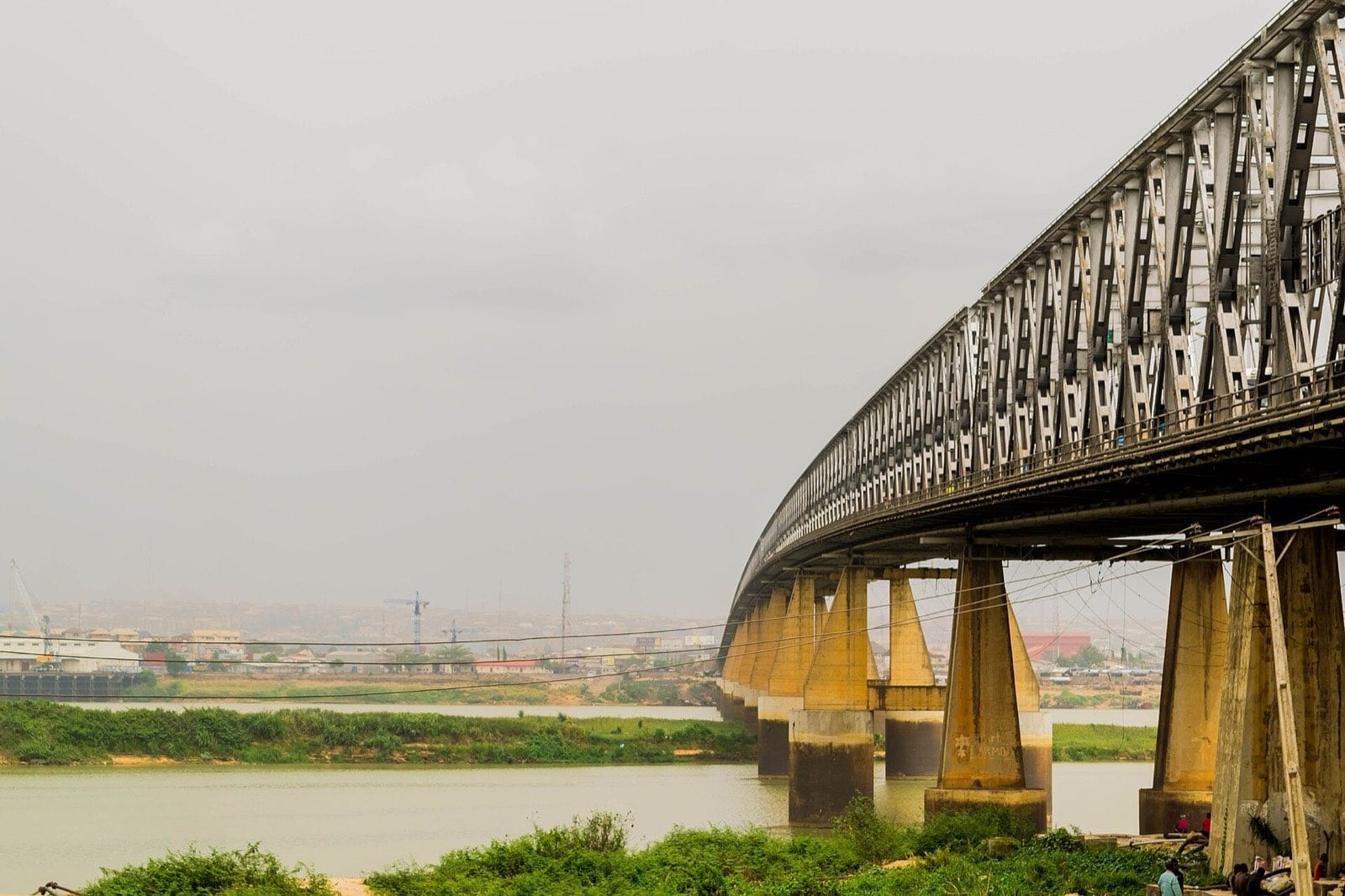
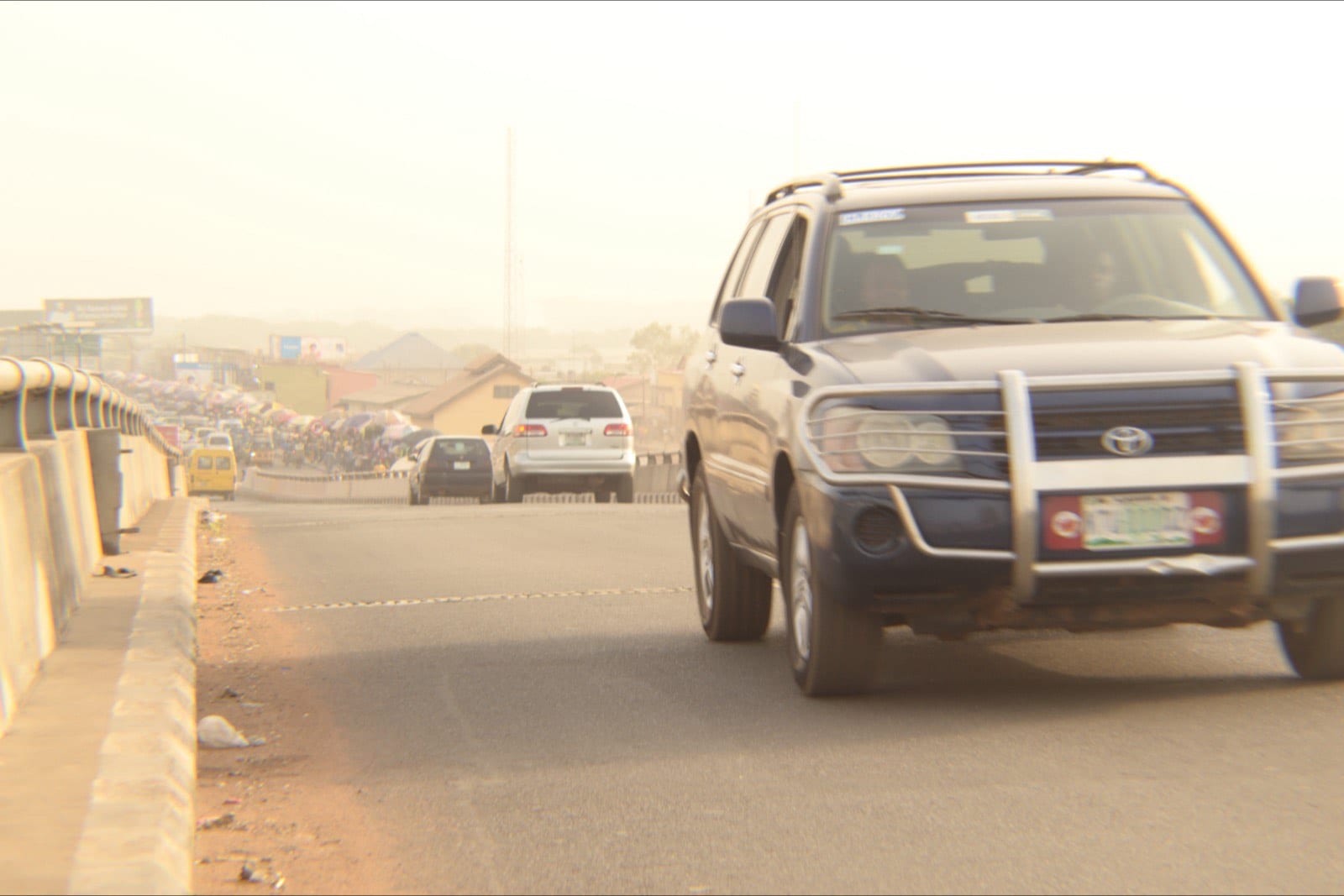
A river port with what is often called the largest market in West Africa, and one bridge holding it all together.
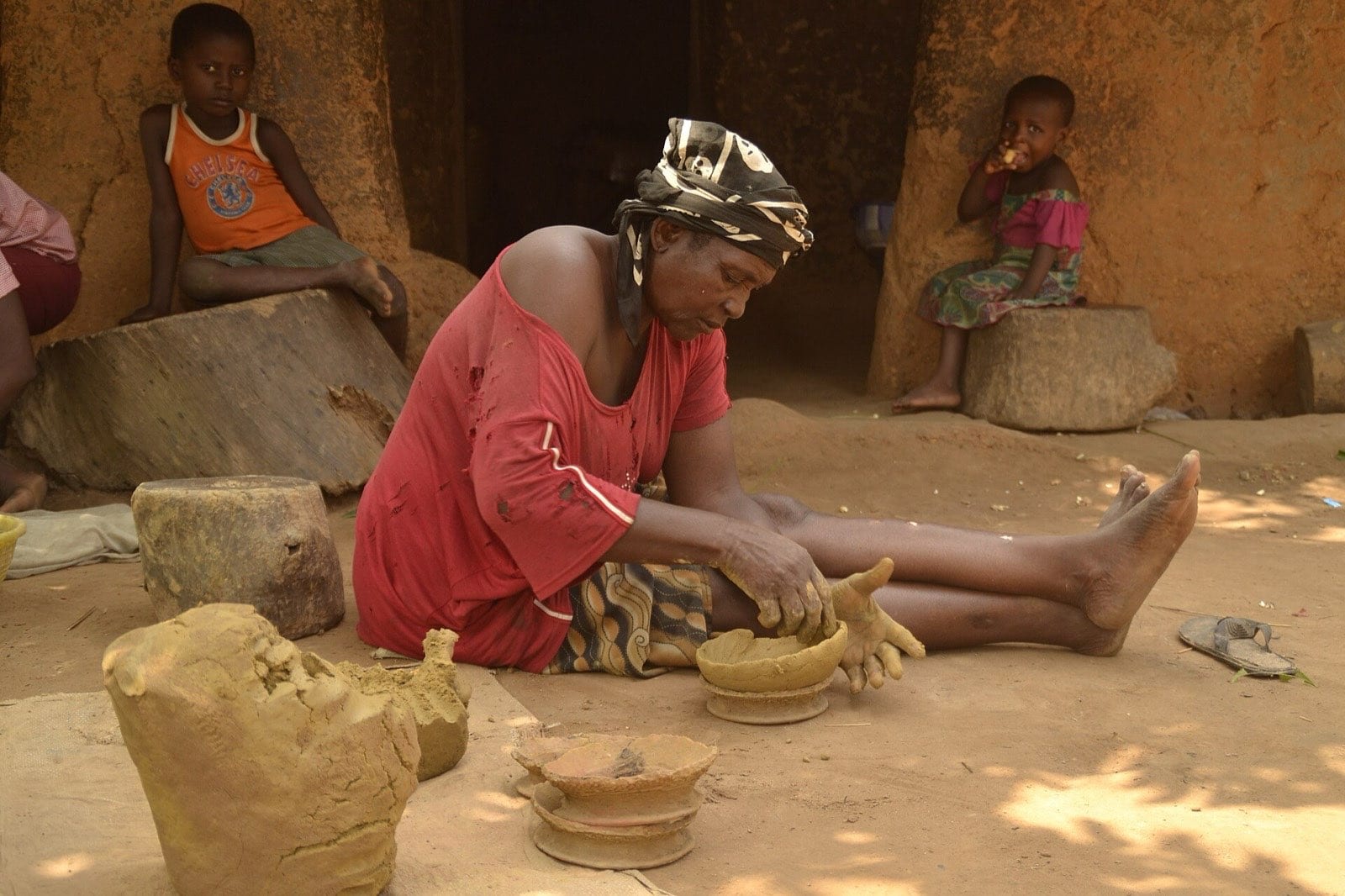
Hand-built water pots, made the way they have always been made, by women who are candid that nobody young is learning.
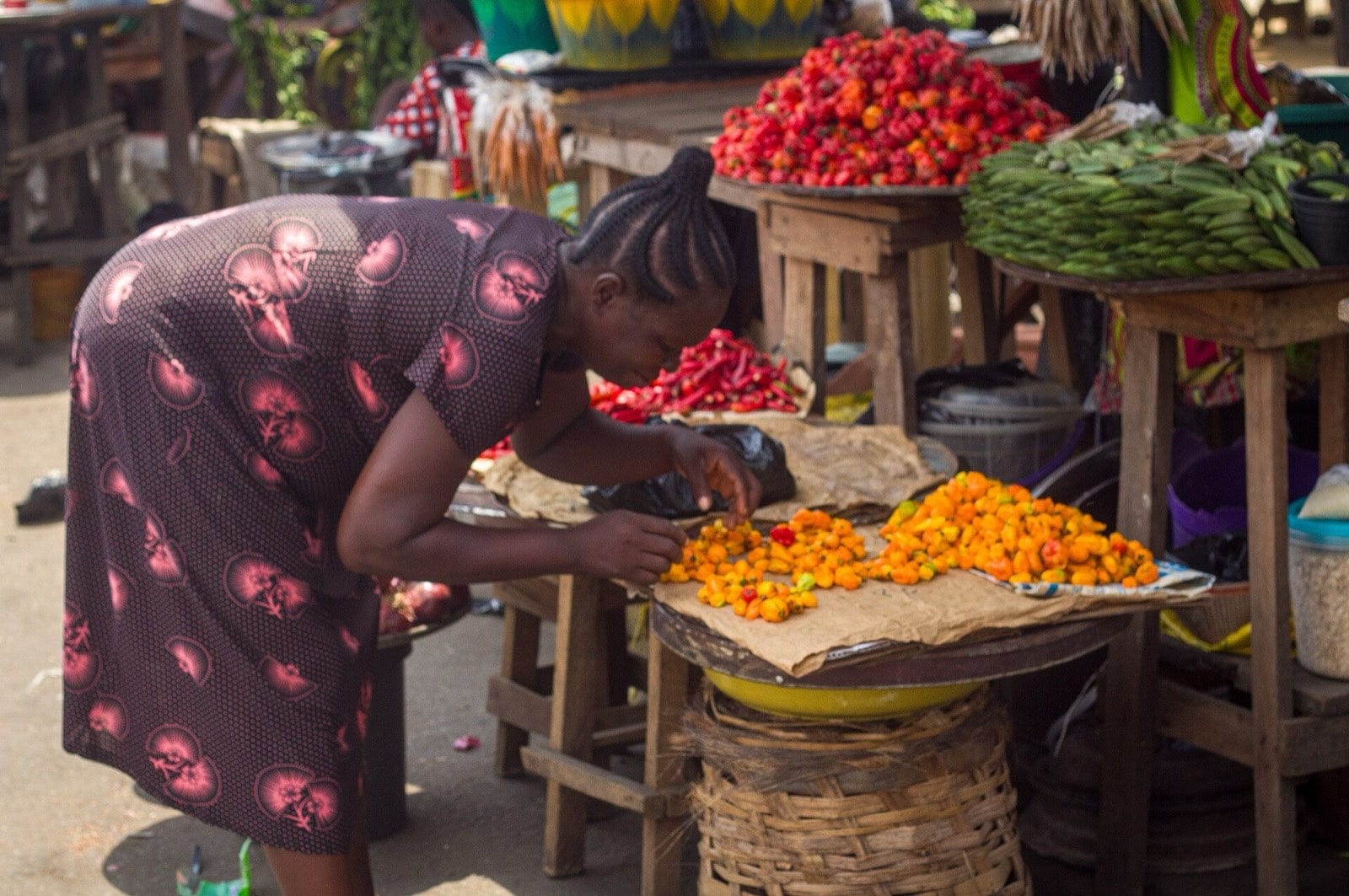
Ugu, tomatoes, peppers and stockfish: the arithmetic behind a stall, and why the price is never only the price.
The Osun-Osogbo grove survived because clearing it was forbidden, and became a UNESCO site by accident of that prohibition.
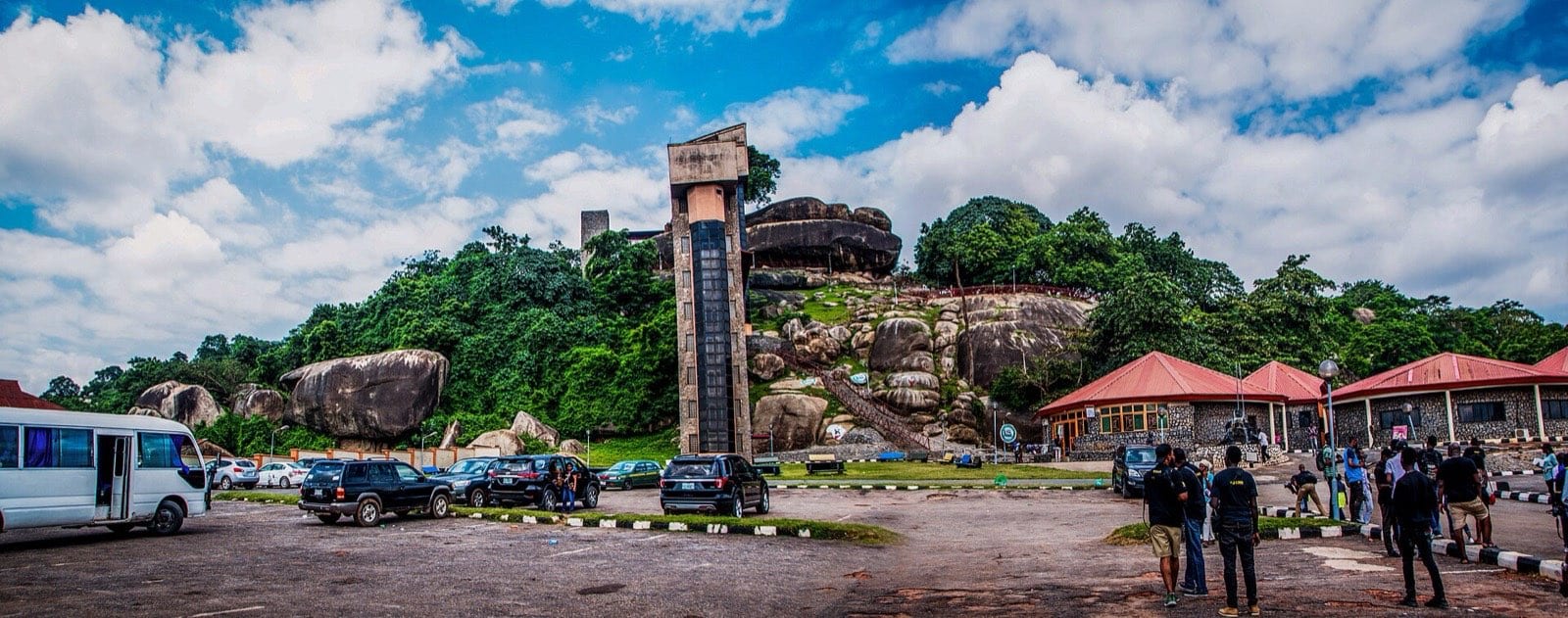
Egba refugees settled under Olumo in the 1830s because it could be defended. Everything since has been built outward from that decision.
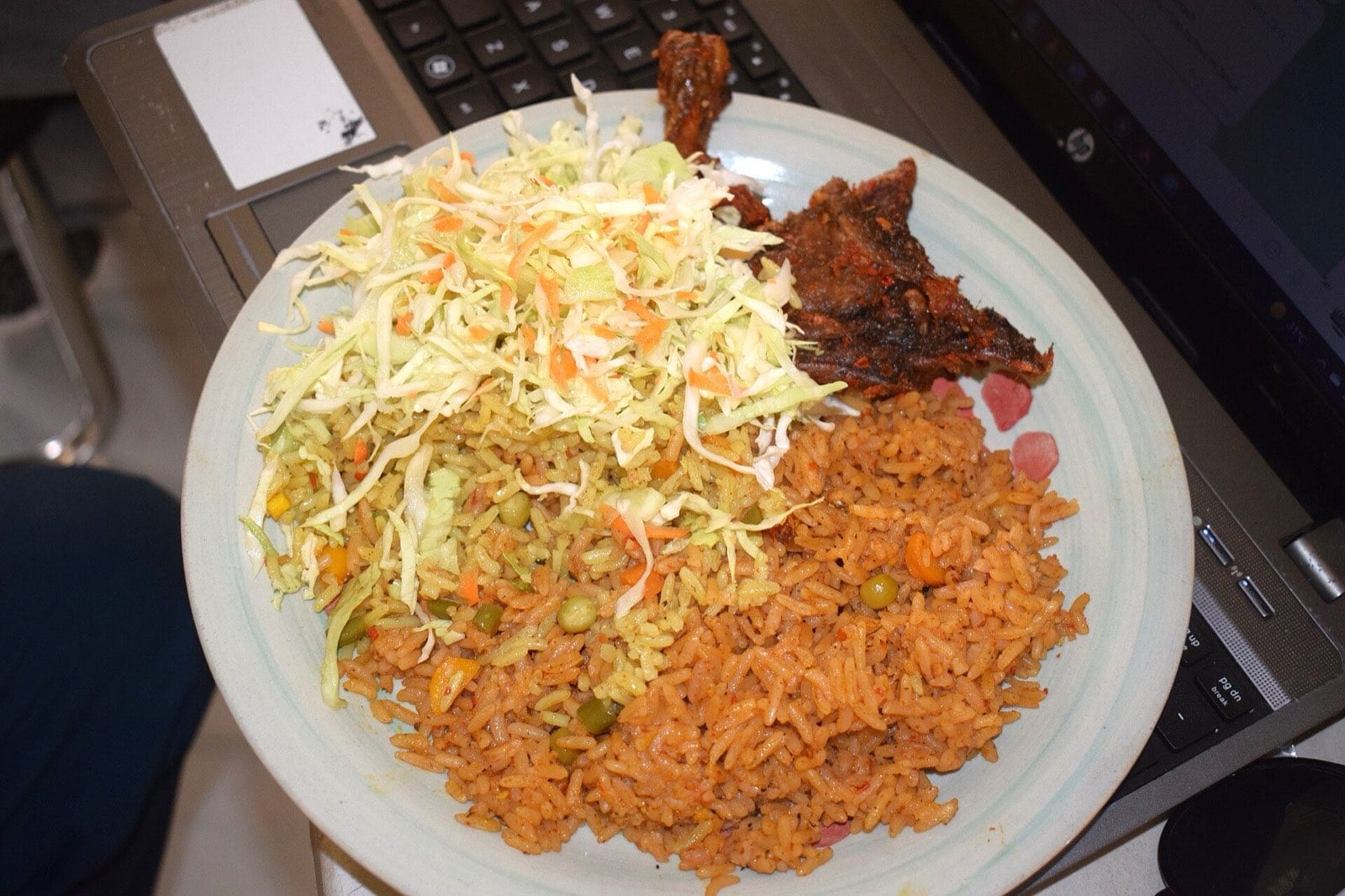
The rice dish that every West African country claims, cooked over wood, at scale, for a crowd.
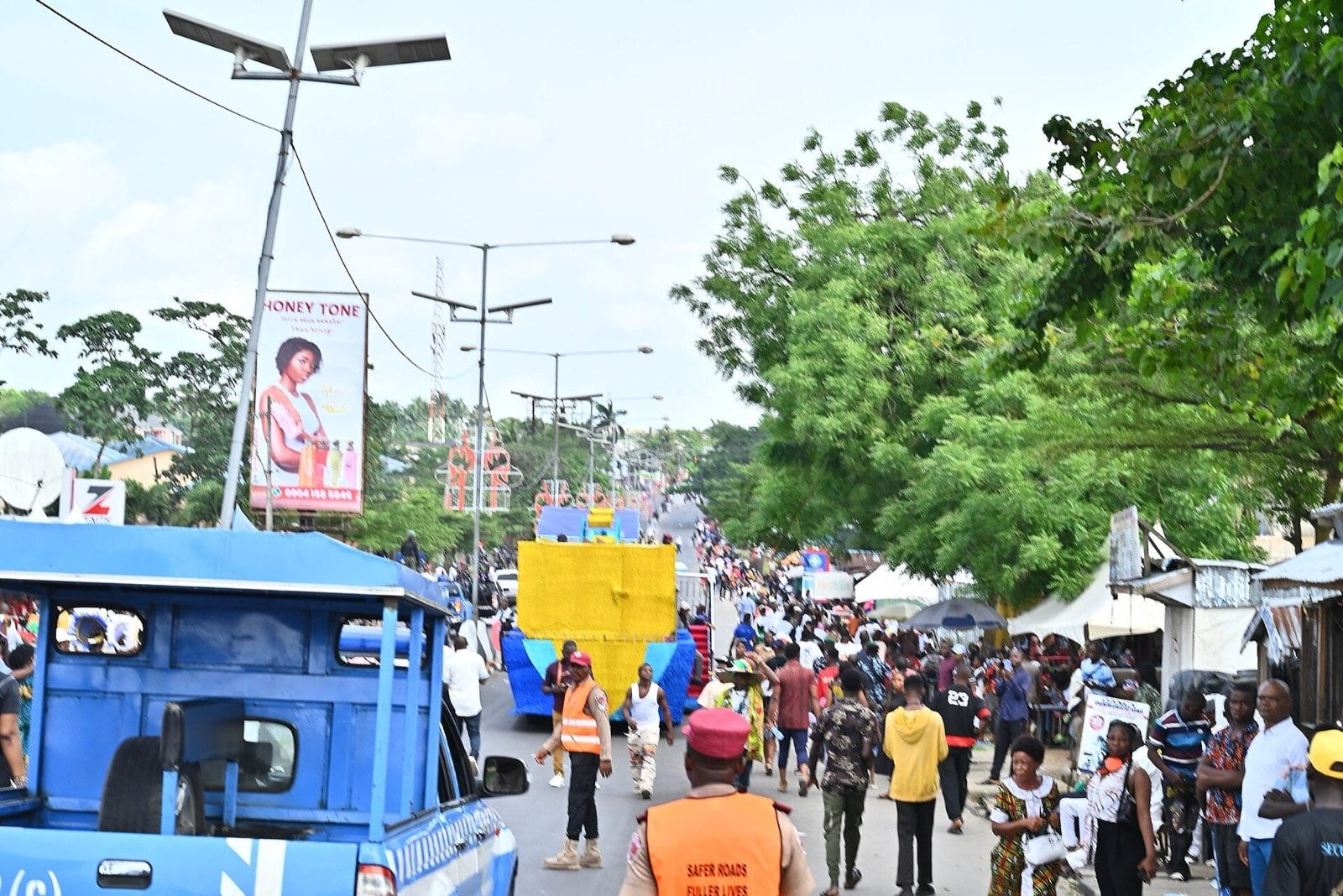
Calabar stages the largest street festival in Africa every December. The rest of the year is the harder question.
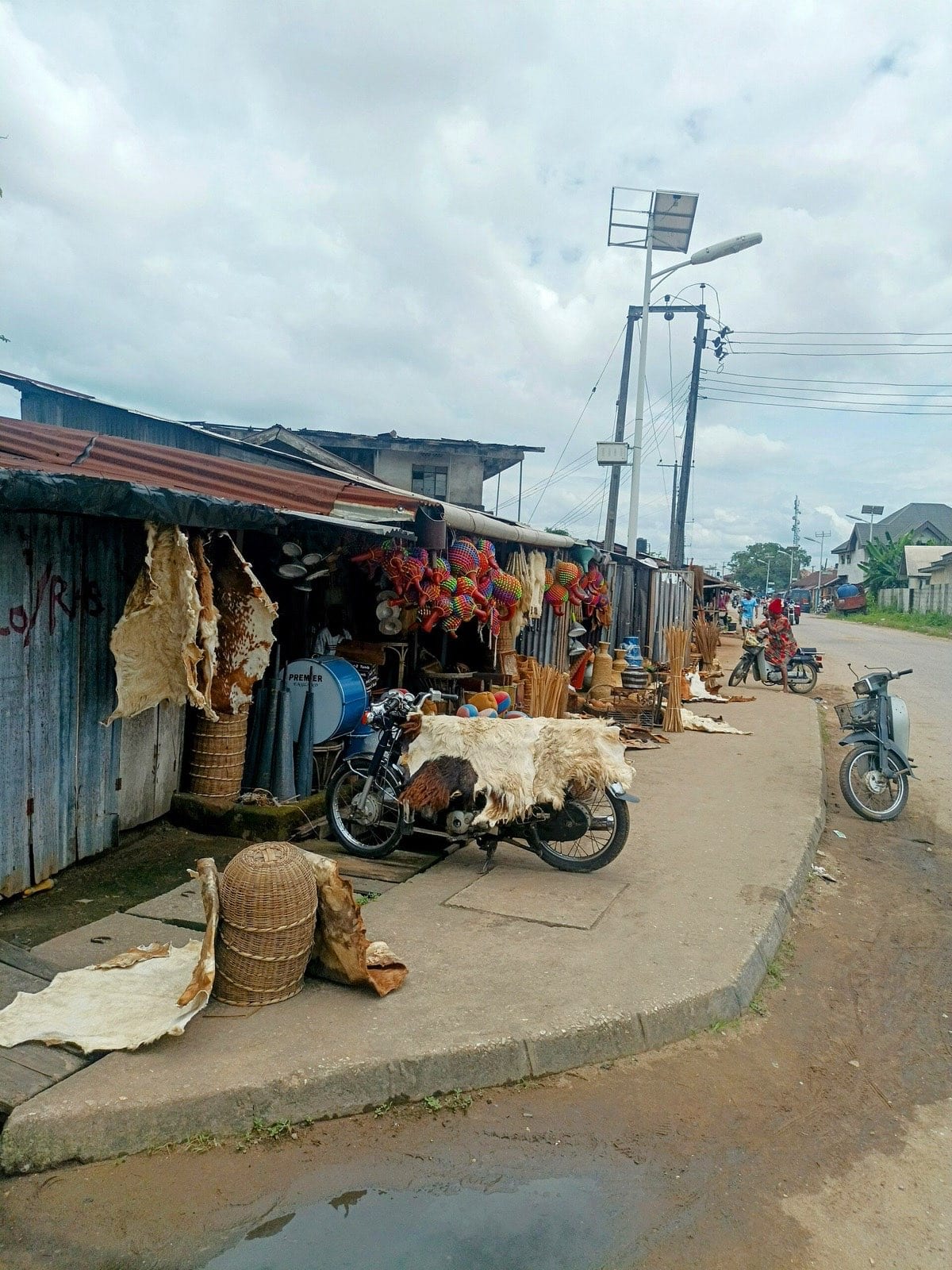
Ikot Ekpene has traded on woven palm fibre for a century, and the trade is still organised the way it was in the 1970s.
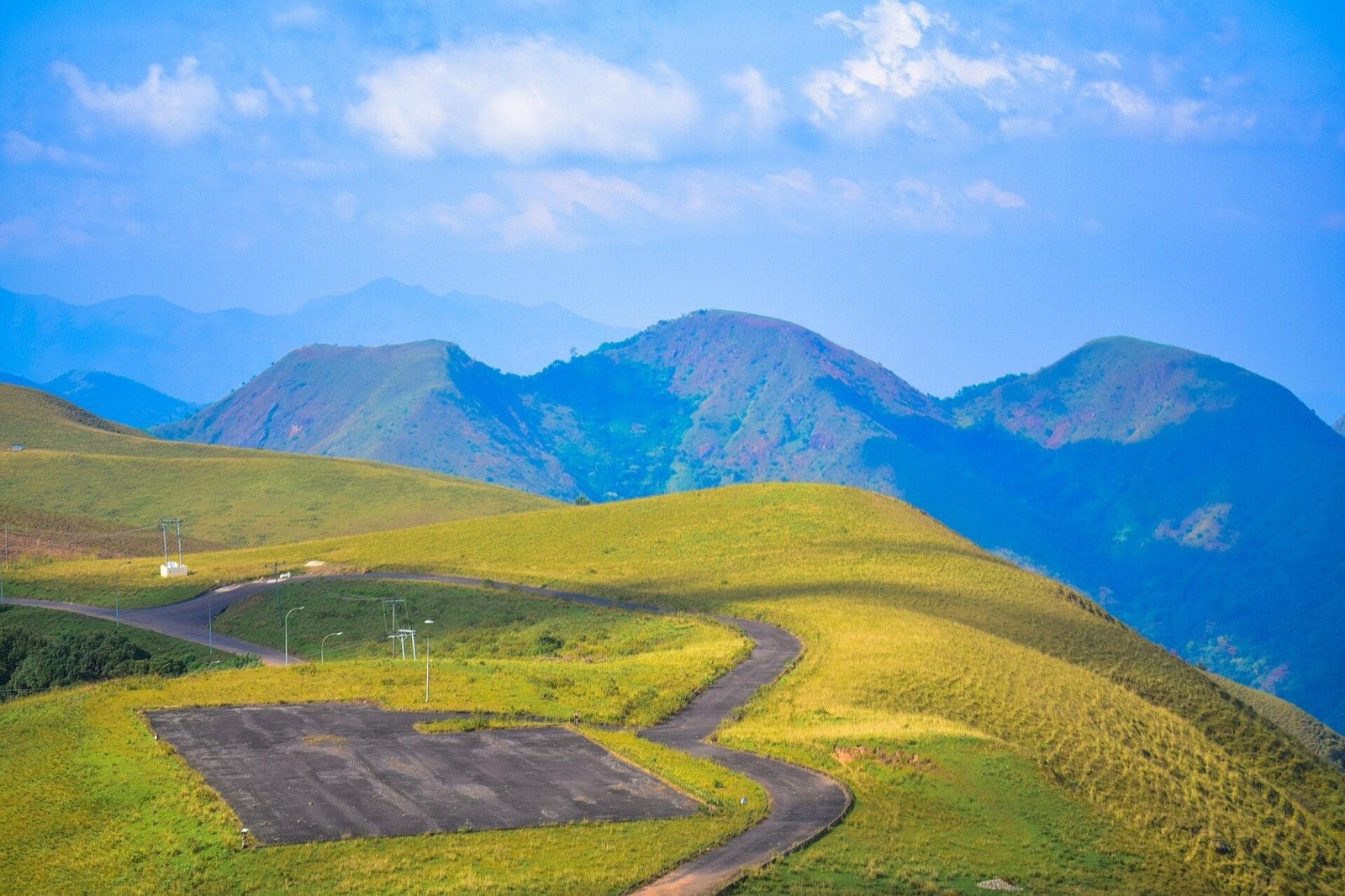
A Scottish rancher started a cattle station on the Obudu plateau in 1951 because the weather reminded him of home.
The dyer, the teacher with the river notebook, the weavers who still run their own trade.
Calabar stages the largest street festival in Africa every December. The rest of the year is the harder question.
Five hundred years of dyeing in Kano has come down to a few dozen working pits and the men who still know the recipe.
A river port with what is often called the largest market in West Africa, and one bridge holding it all together.
Short observations from contributors, dated and placed.
Carnival bands rehearse in September in whatever open ground they can get, usually school compounds after hours. You hear them before you see them. By December the routines are drilled to a standard that reads on television as spontaneity.
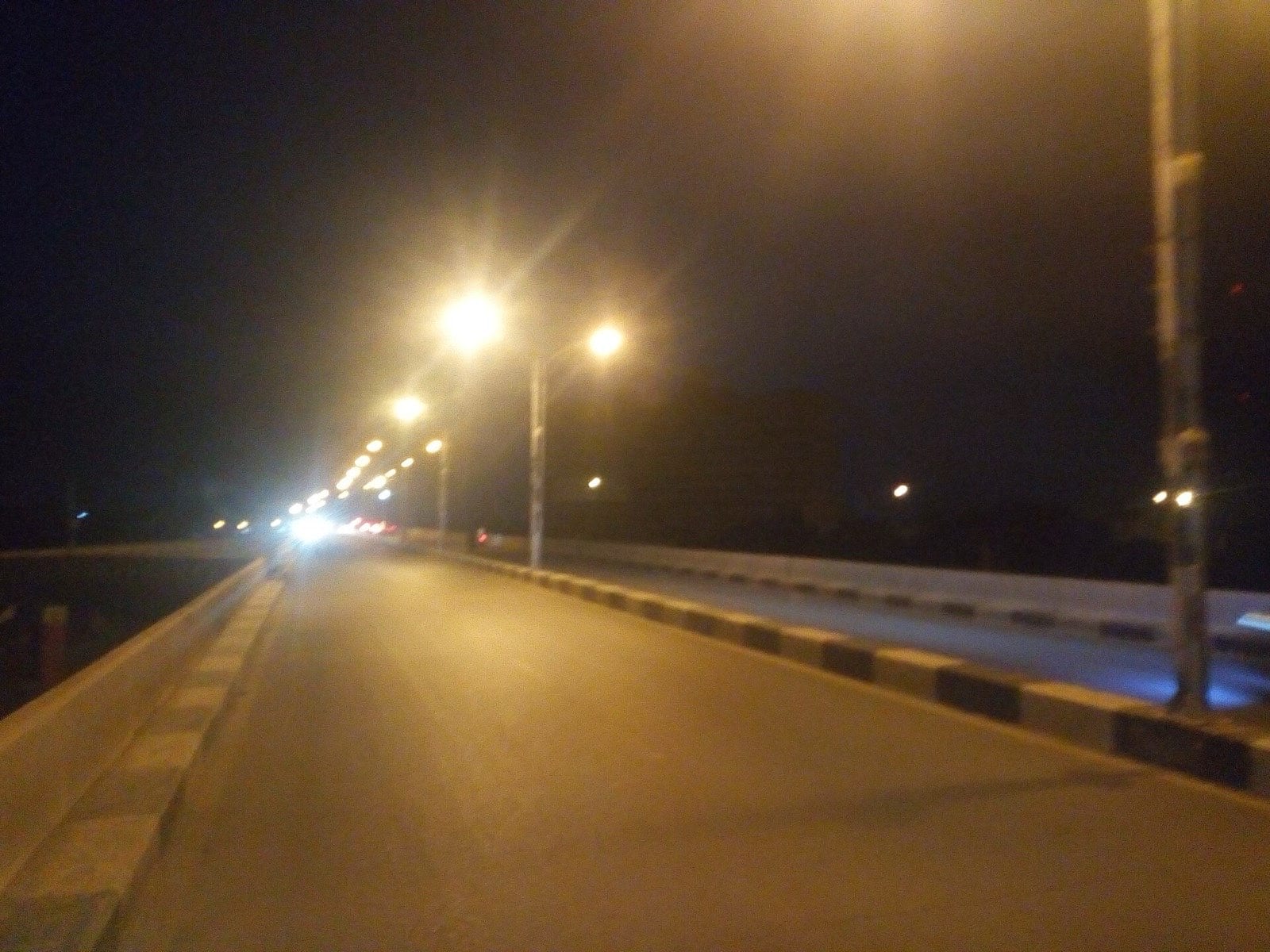
The road past the dye pits is empty by nine and lit the whole way, which is not what anyone expects of the old city at night. The lights went in two years ago. The traders I asked all mentioned it unprompted, and all mentioned it in terms of walking home rather than of business.
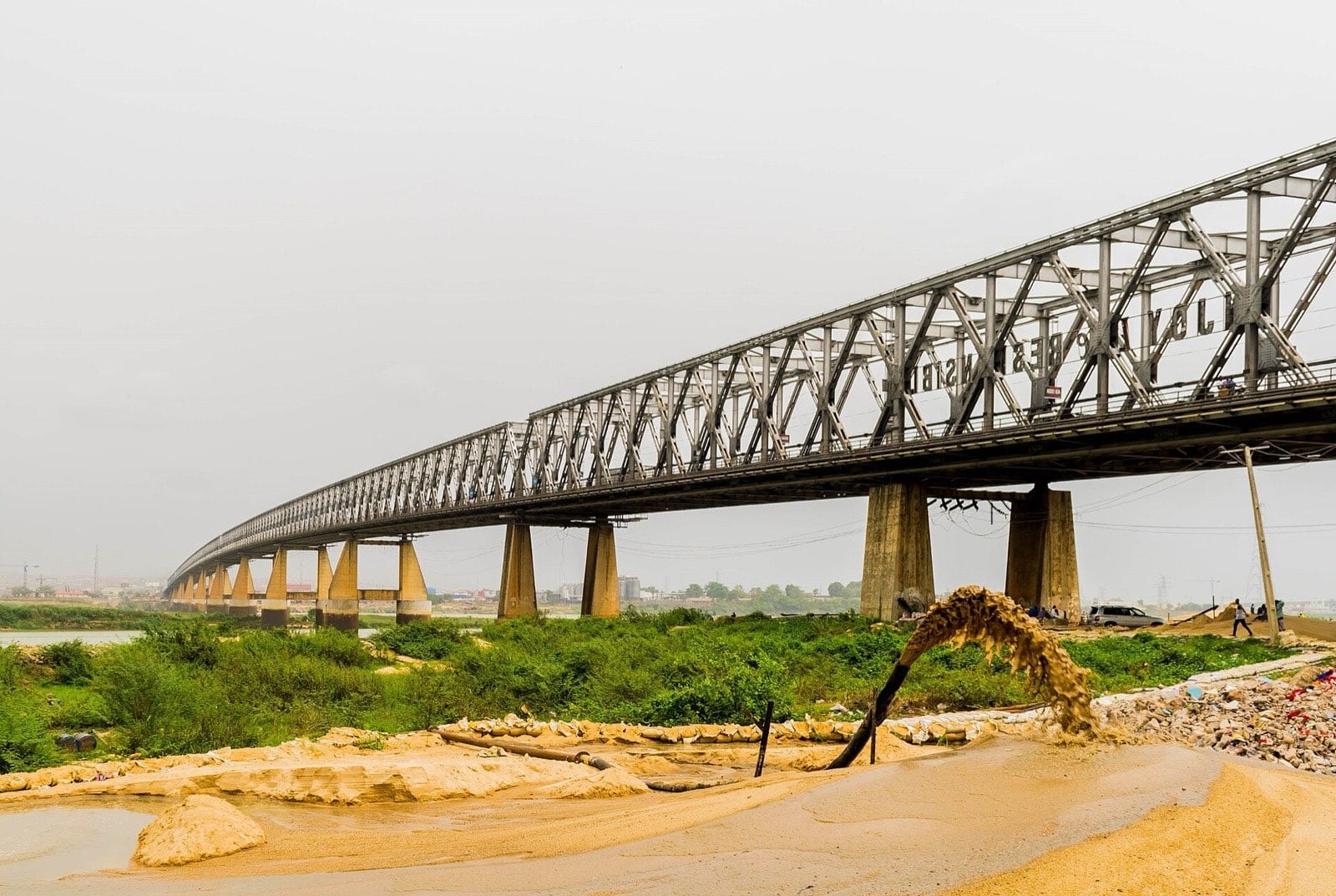
The queue for the bridge on a Friday afternoon starts about four kilometres out and is entirely predictable, which has produced a whole roadside economy along the approach — food, fuel in bottles, phone charging. The congestion is somebody's living.
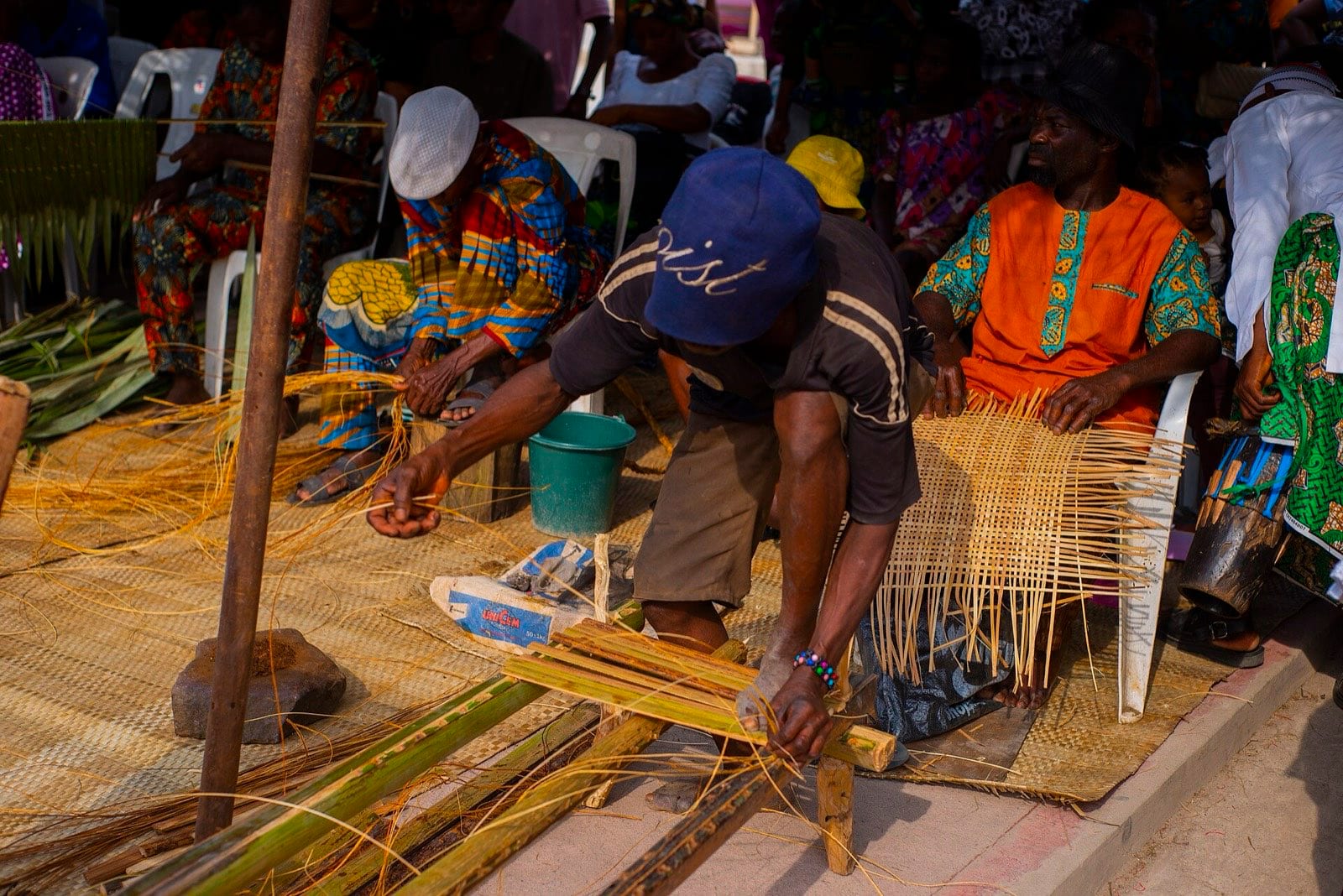
The market rows are ordered by seniority, not by product. The oldest weavers are nearest the road. An apprentice starting out is at the back, and moves forward over a working life, which means you can read somebody's standing off their position without asking.
Collection
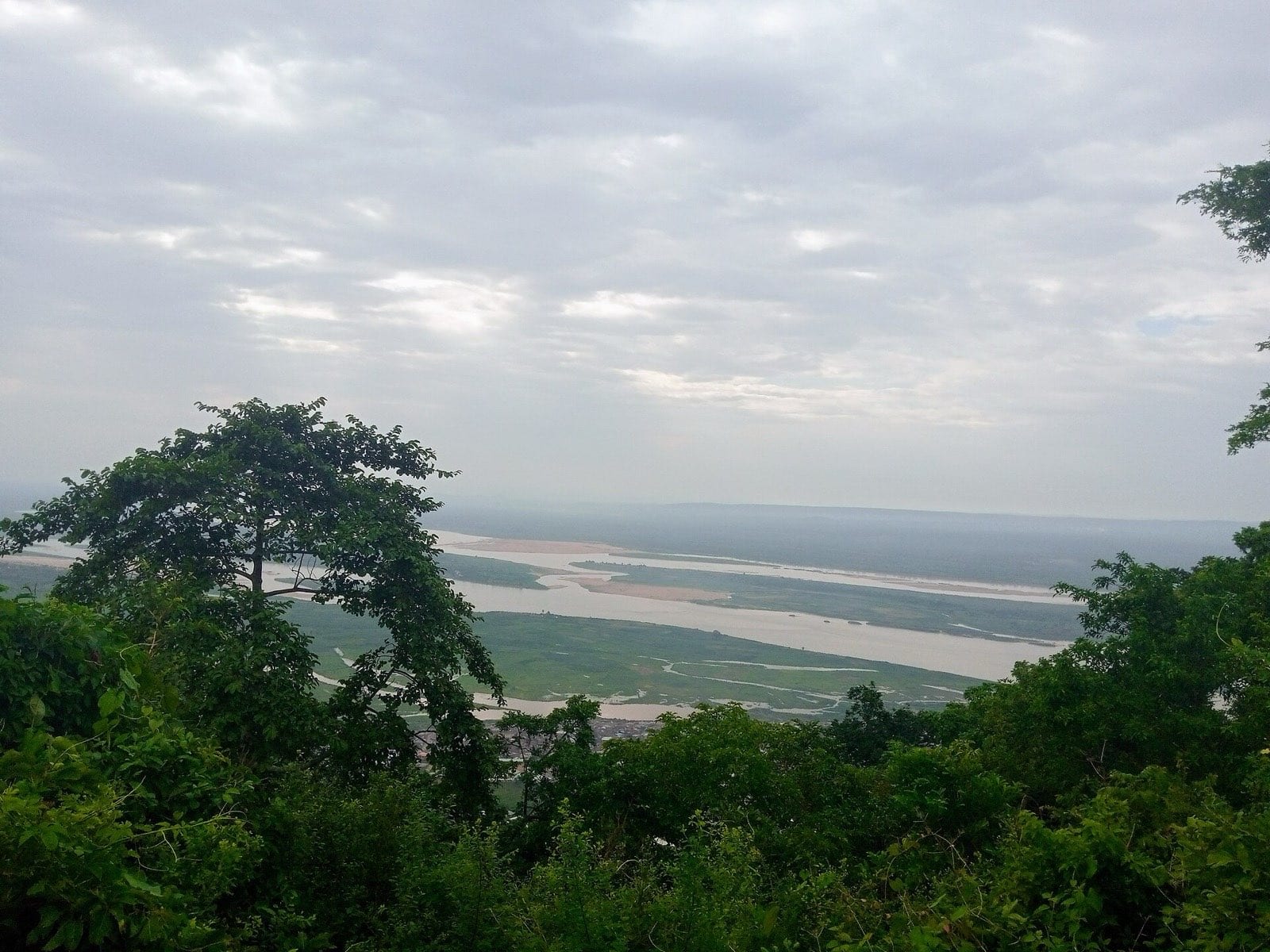
From where the Niger crosses into the country to where it meets the Benue and turns south.