Skip to the stories

Argungu, Kebbi

12.7450° N, 4.5250° E

DispatchPeople

The festival that depends on a river that keeps failing

Argungu is famous for one morning a year. The rest of the year is a town watching the water table.

Words Amina Yusuf · Reported with Rakiya Ibrahim

9 min read

Crowds of men standing waist-deep in a river holding fishing nets.
The Argungu fishing festival. At a single signal the river fills with men, and the largest fish taken in about an hour wins.

About Argungu

Argungu is famous for a fishing festival that draws thousands of men into the river at a single signal. What the festival obscures is that this is a working fishing and farming town on a floodplain, and that the river it depends on has been an unreliable neighbour for two decades. The festival has been cancelled more often than it has been held.

Everything from Argungu →

The Argungu fishing festival is the kind of event that photographs so well it has almost detached from the town that holds it. Thousands of men enter the Sokoto-Rima at a signal, with hand nets and gourds, and about an hour later somebody is carrying a fish that weighs more than a child.

It has also been cancelled more often than it has been held over the last two decades. The reasons vary — security, funding, administrative drift — but the one Rakiya Ibrahim keeps a record of is the water.

People crossing a wide river in narrow wooden boats in Kebbi State.

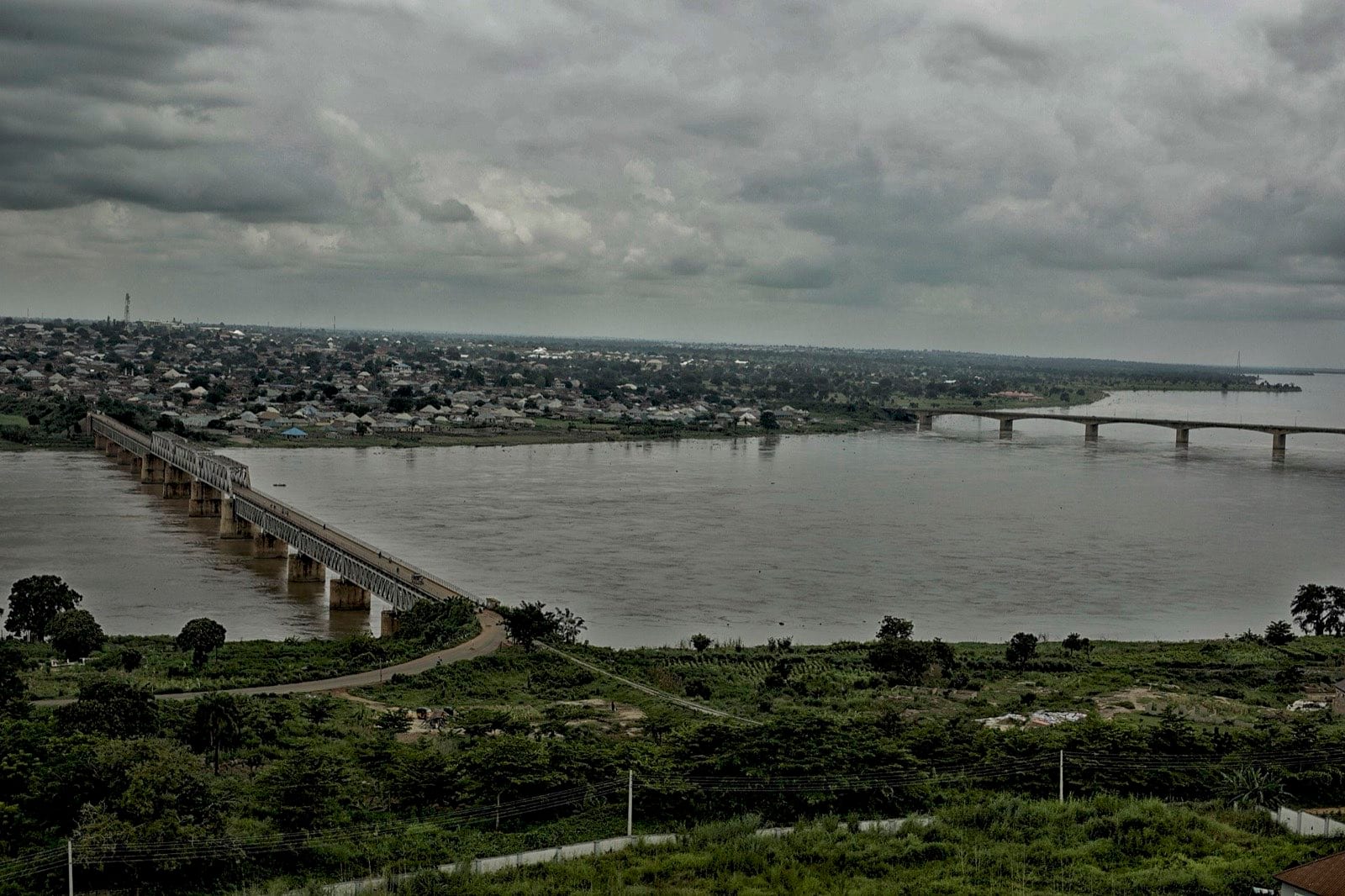
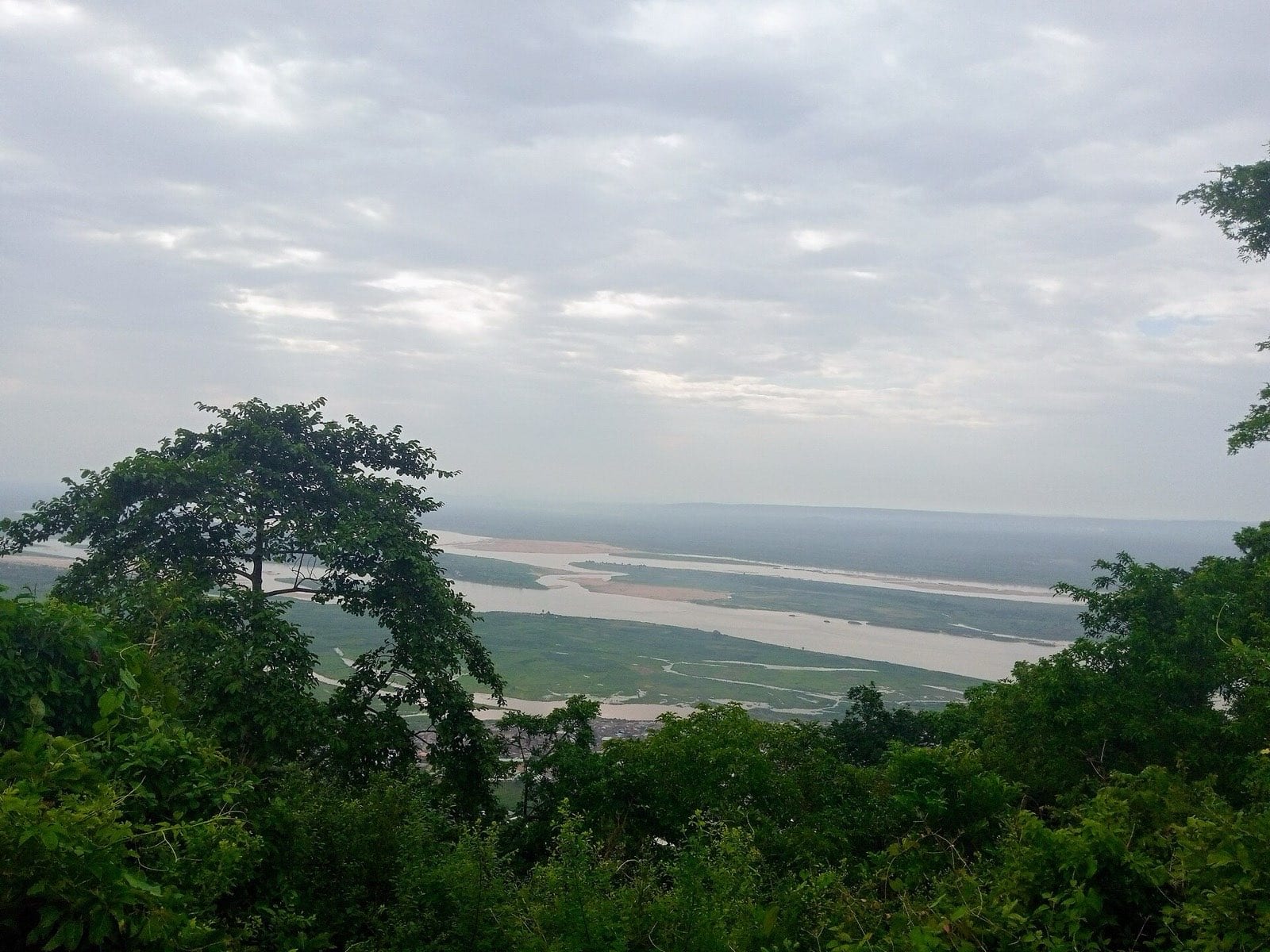
Upstream dams, irrigation offtake and a rainfall pattern that has become harder to plan around have all been offered as explanations, and they are probably all partly right. What matters locally is simpler: the fishing that the festival celebrates is a real livelihood for a real number of households, and it has been getting thinner.

A dense crowd gathered on the riverbank at the Argungu festival.
Fishermen in the shallows of the Sokoto-Rima river during the festival.
Hand nets and gourds carried by fishermen at the Argungu festival.
Argungu, festival day: the bank, the shallows and the nets.

The festival will likely survive, because it is now a matter of state prestige and there is money behind it for that reason. Whether the fishery survives is a different question, and it is not one a festival can answer.
If you are going

When
The festival, when it is held, falls in the dry season — usually February or March. Confirm before travelling: cancellation is common and is often announced late.

Sources

Photography

Who reported this

Amina Yusuf

Writer at large · Kano

Reports across the north and the Middle Belt. Has spent most of the last decade on the trades that outlast the industries built over them.

Rakiya Ibrahim

Teacher · Argungu

Teaches in Argungu and has kept a record of the river's height, by hand, since 2009.

Read next

Two, chosen by hand — usually somewhere else in the country.

Nearby places to explore