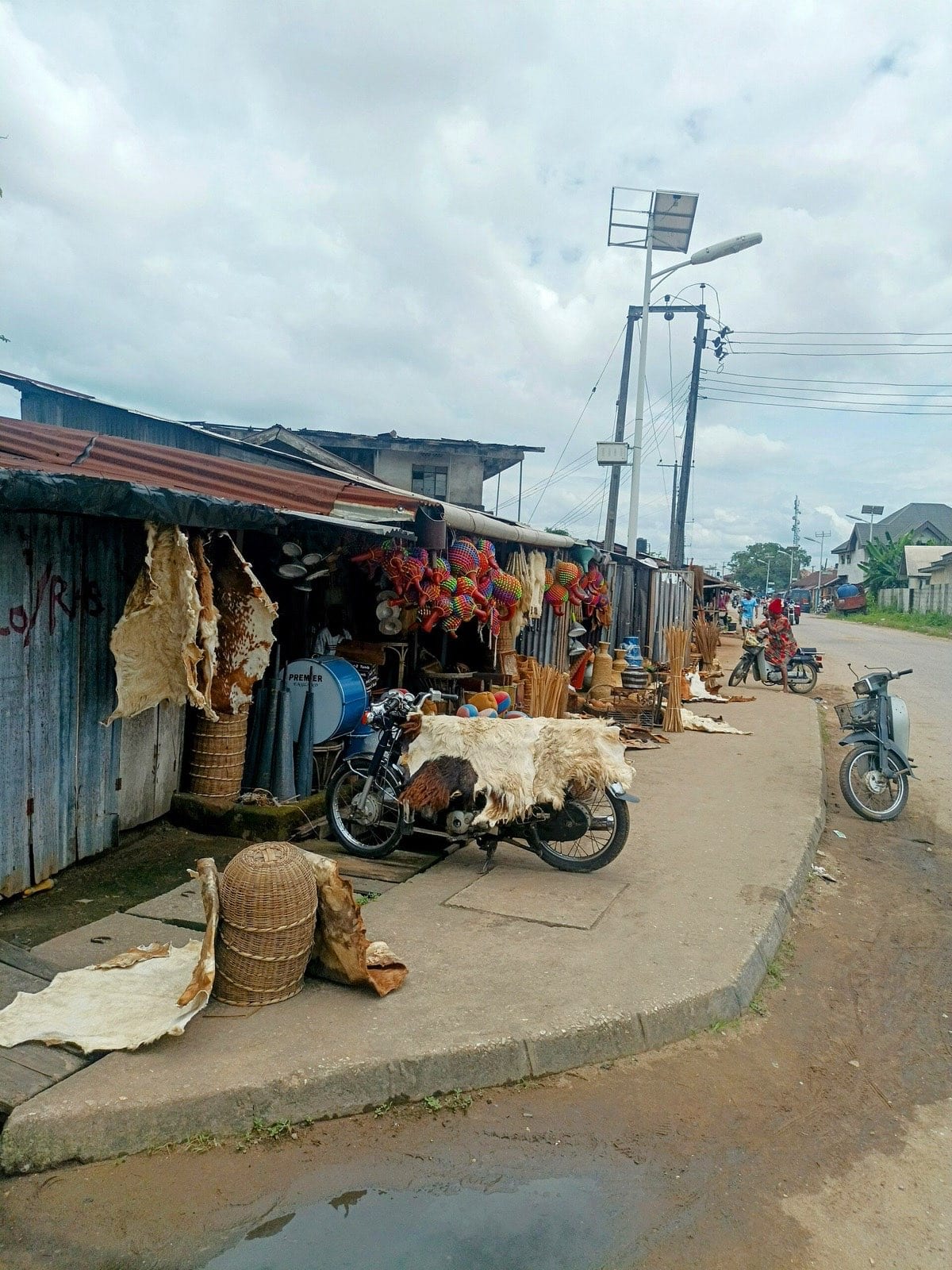
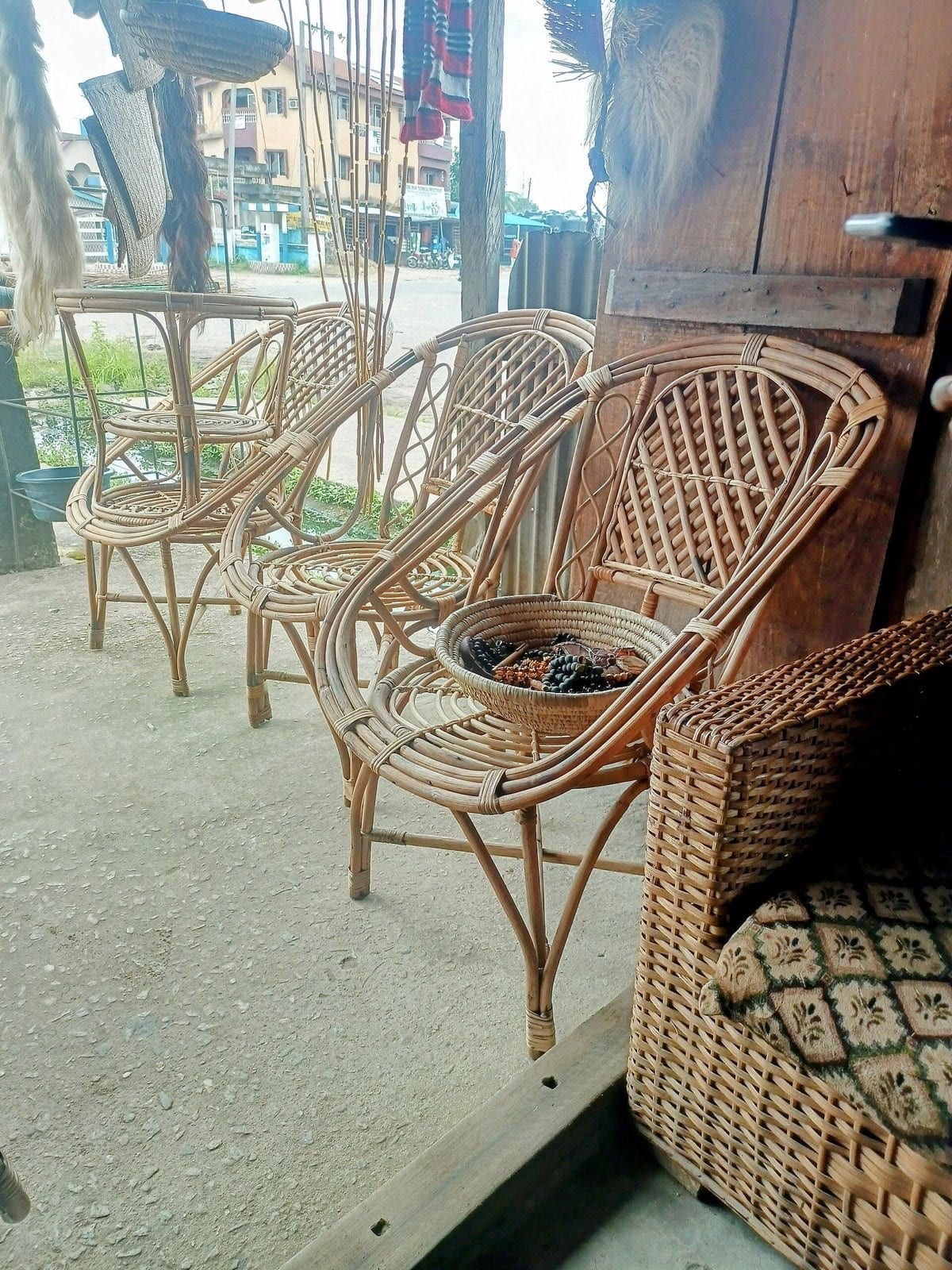
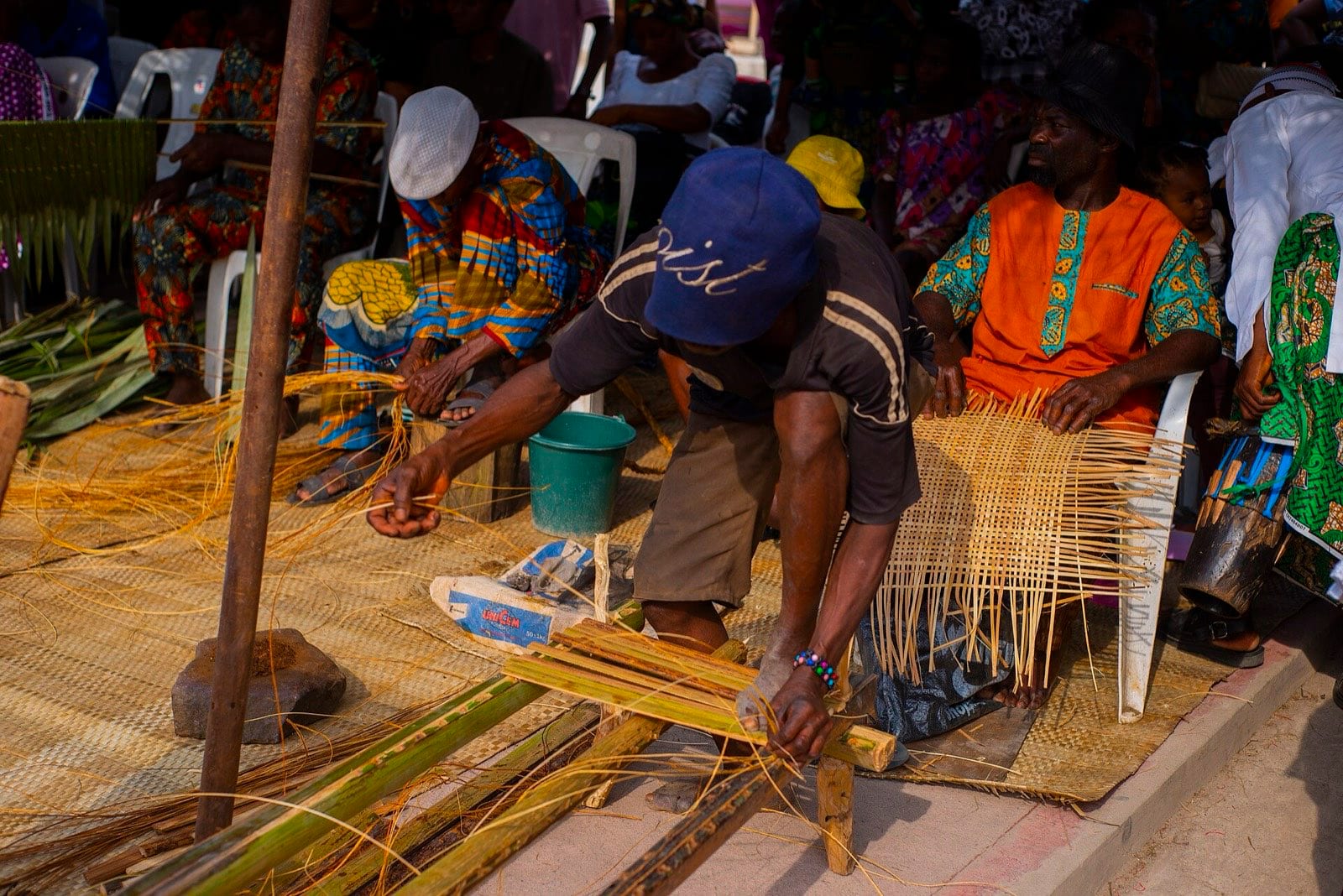
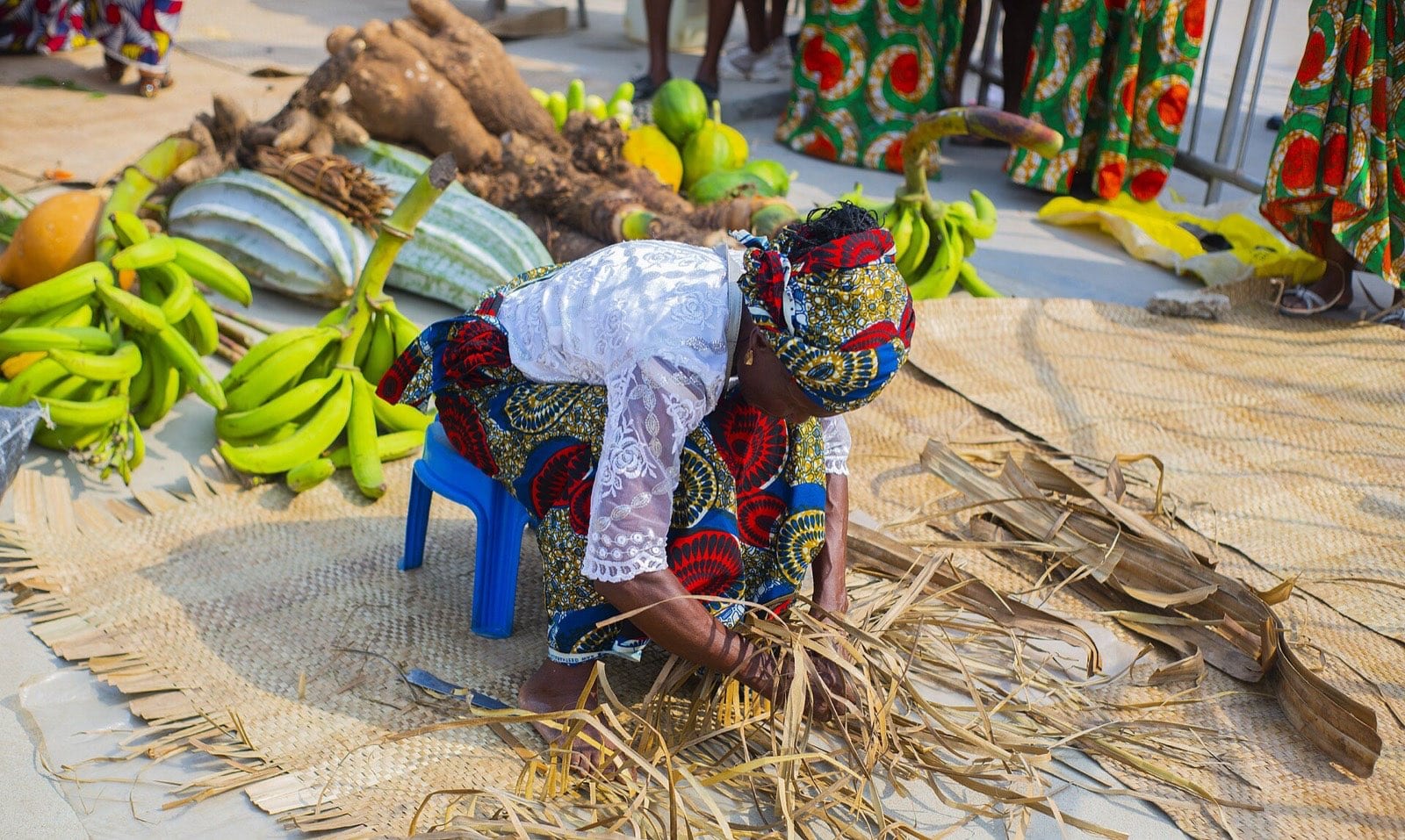
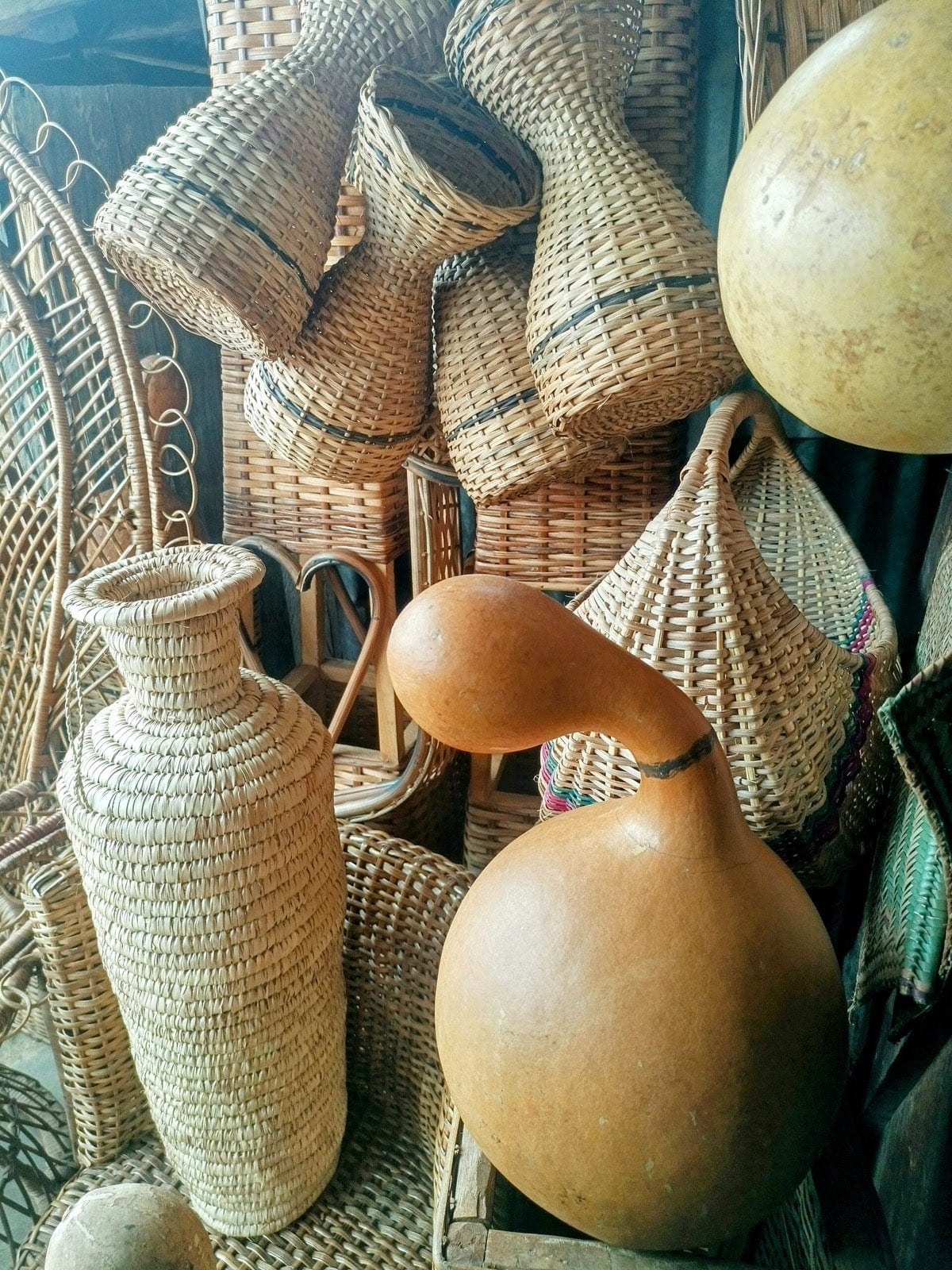
Ikot Ekpene has called itself the Raffia City for about a hundred years, and unusually for a municipal nickname it is accurate. The workshops here turn palm fibre into furniture, mats, bags and the ceremonial pieces used across Akwa Ibom and well beyond it.
What has kept it going is not the material, which grows everywhere, but the organisation. The weavers' union has run apprenticeships continuously since the 1970s, and it controls who may sell in the market rows.
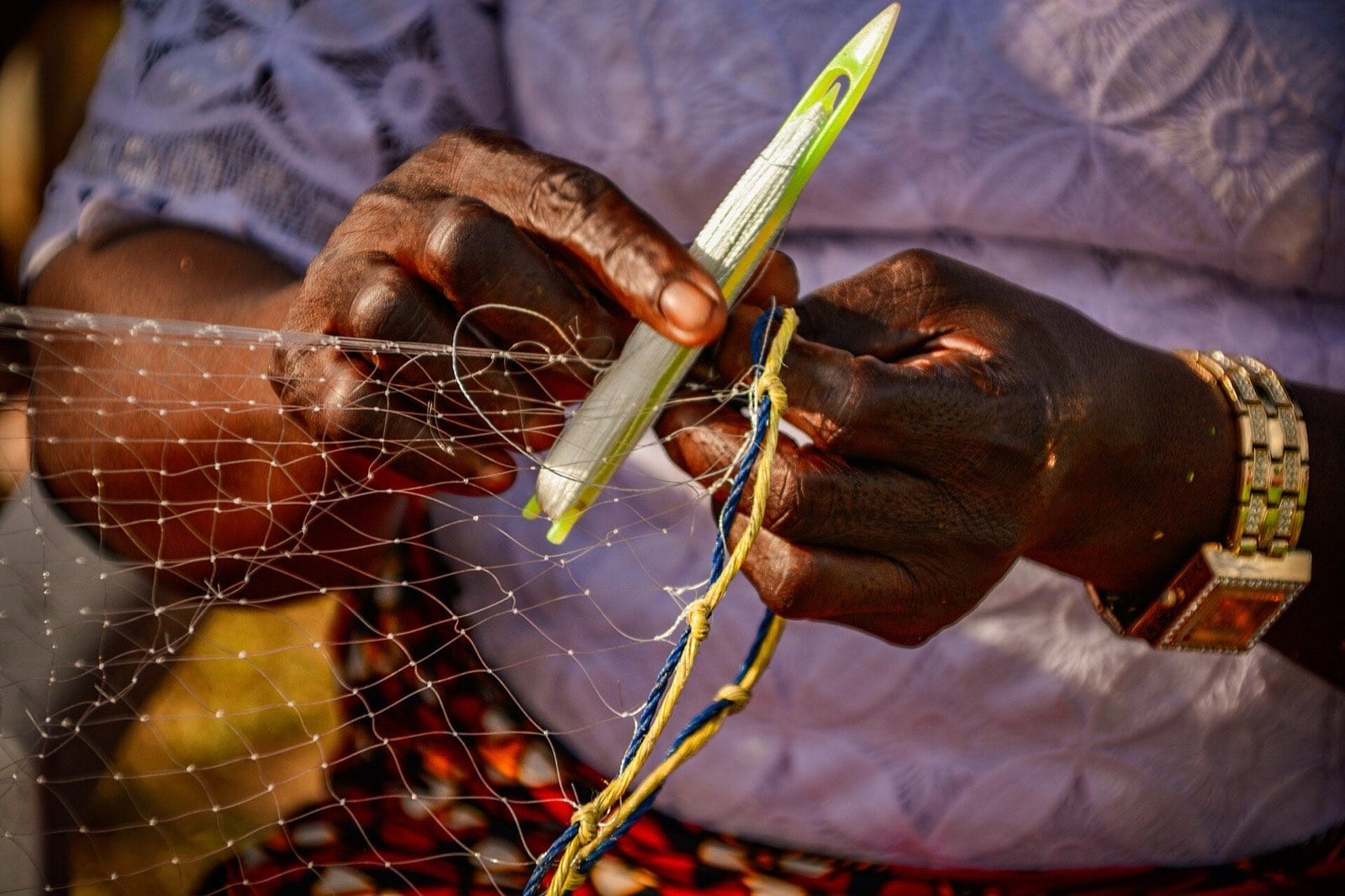
The same instinct shows up elsewhere in Akwa Ibom. On the coast at Ibeno the net-weavers work to a pattern held entirely in the hands of the people who do it, and they train the same way — beside somebody, for years.
It is the most convincing answer to the craft question I have heard anywhere in the country, and it is not about design, branding or heritage funding. It is about a closed shop, enforced locally, that makes training a condition of trading.