Skip to the stories

Onitsha, Anambra

6.1414° N, 6.8021° E

Photo essayPeople

Ikpu ite: the pots and the last people making them

Hand-built water pots, made the way they have always been made, by women who are candid that nobody young is learning.

Words Halima Sadiq · Reported with Nkechi Obi

5 min read

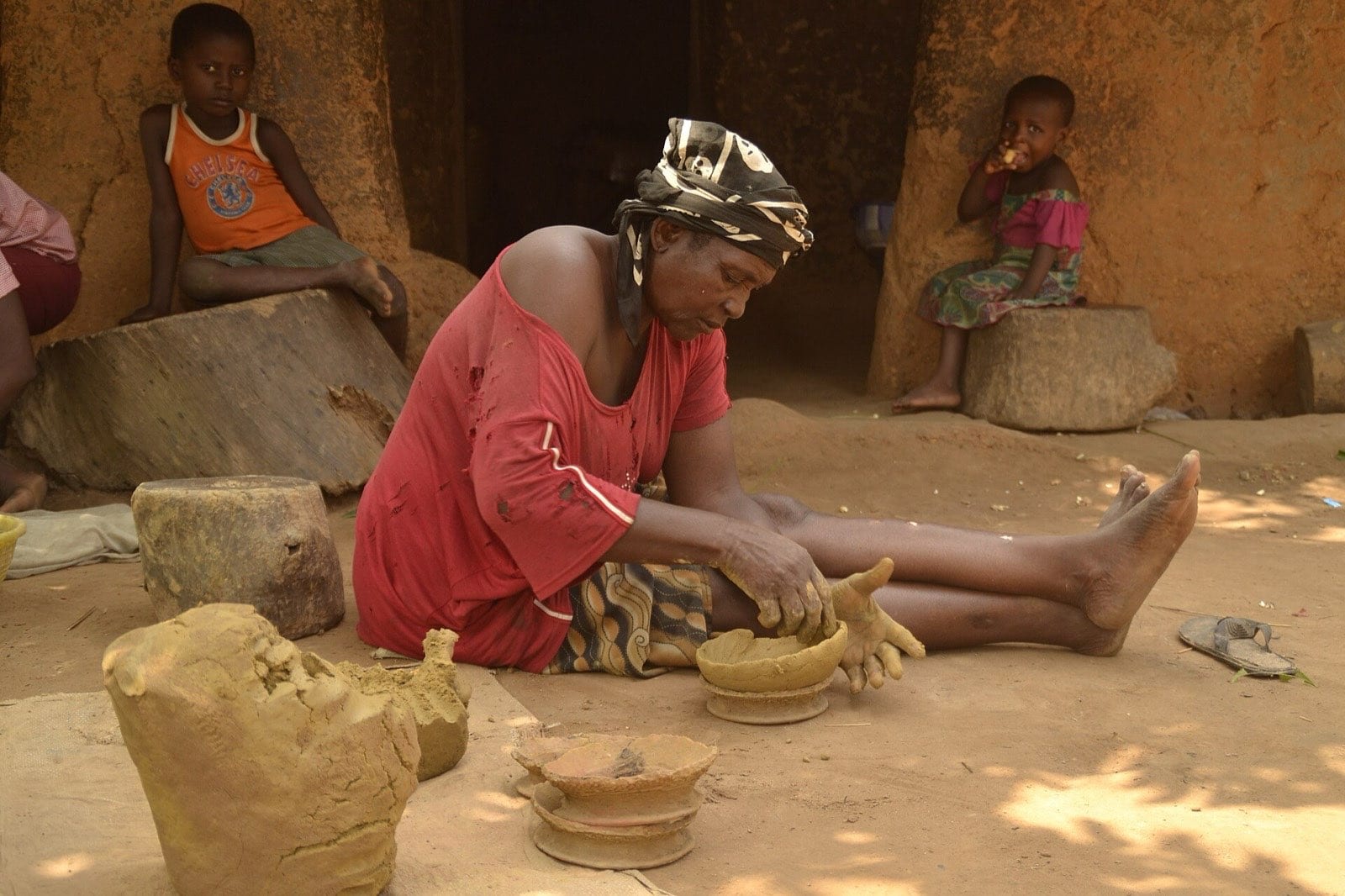
A potter beginning to mould a clay pot by hand.
Photograph: Chukwukajustice / Wikimedia Commons (CC BY-SA 4.0)

About Onitsha

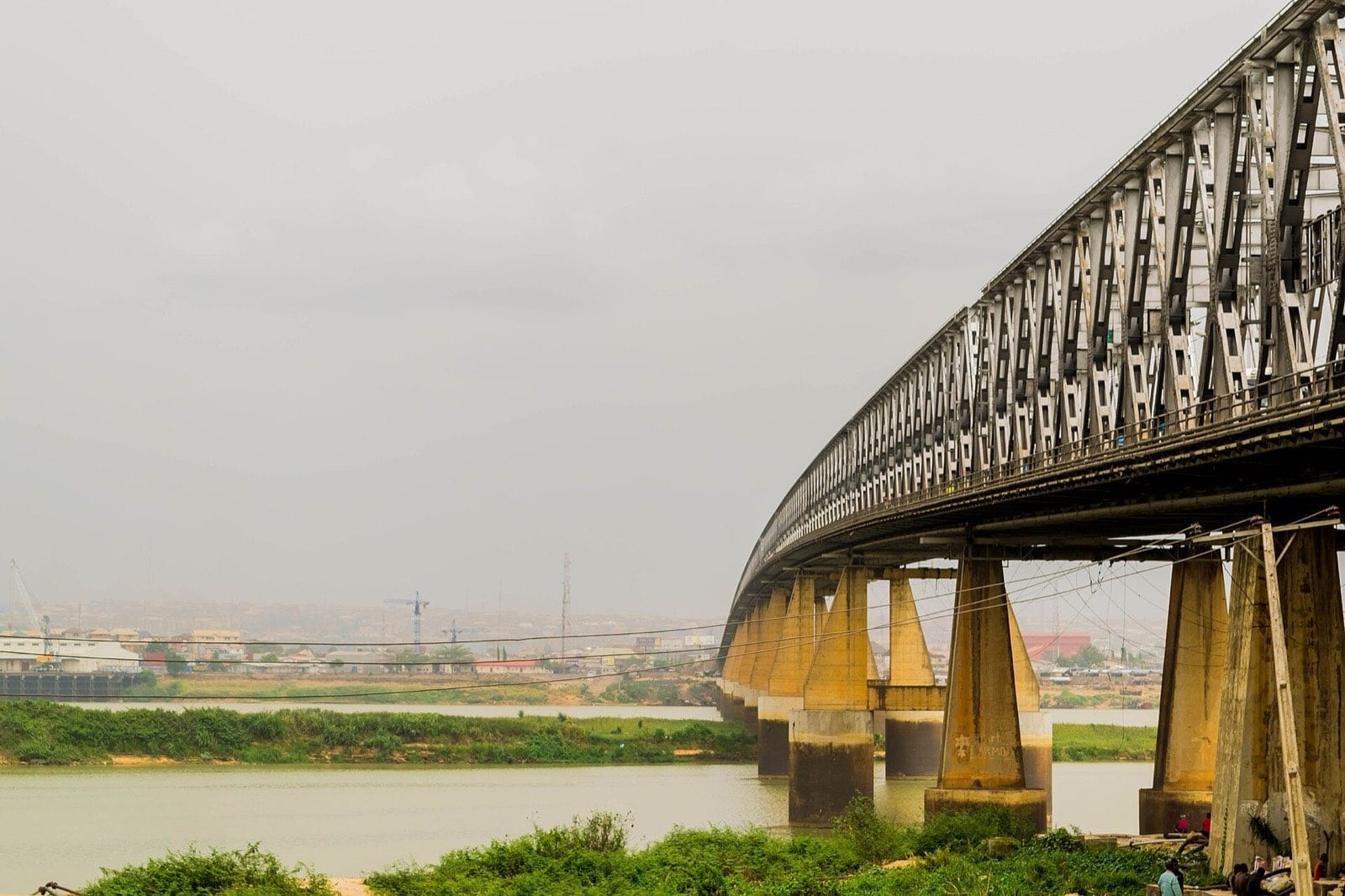
Onitsha sits on the east bank of the Niger at the point where the bridge crosses, and it has been a trading town since long before that bridge. The Main Market is a city inside the city. In the 1950s and 60s the town produced Onitsha Market Literature — cheap pamphlets on love and money and how to behave — which is one of the few genuinely popular literary movements the continent has had.

Everything from Onitsha

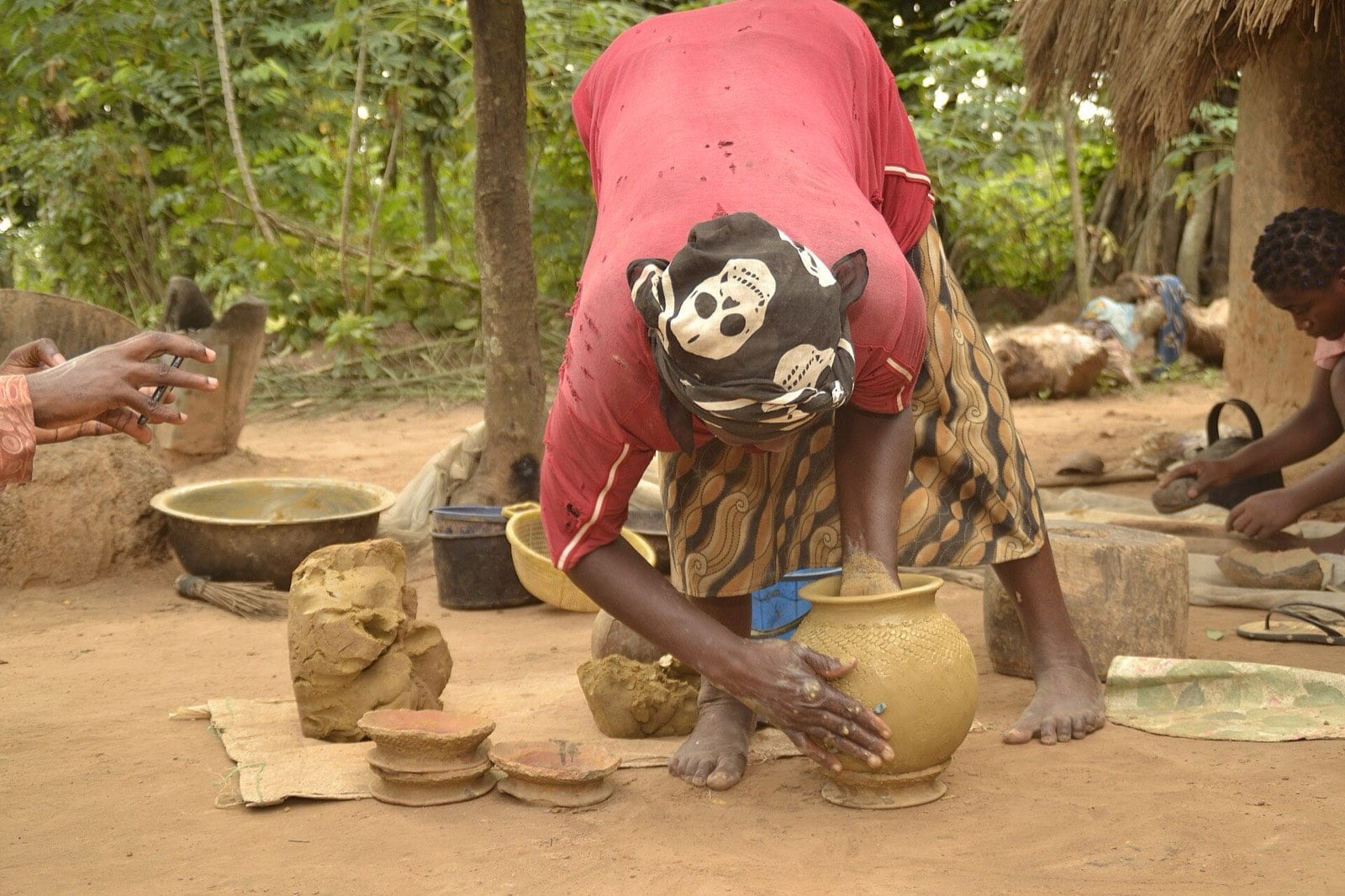
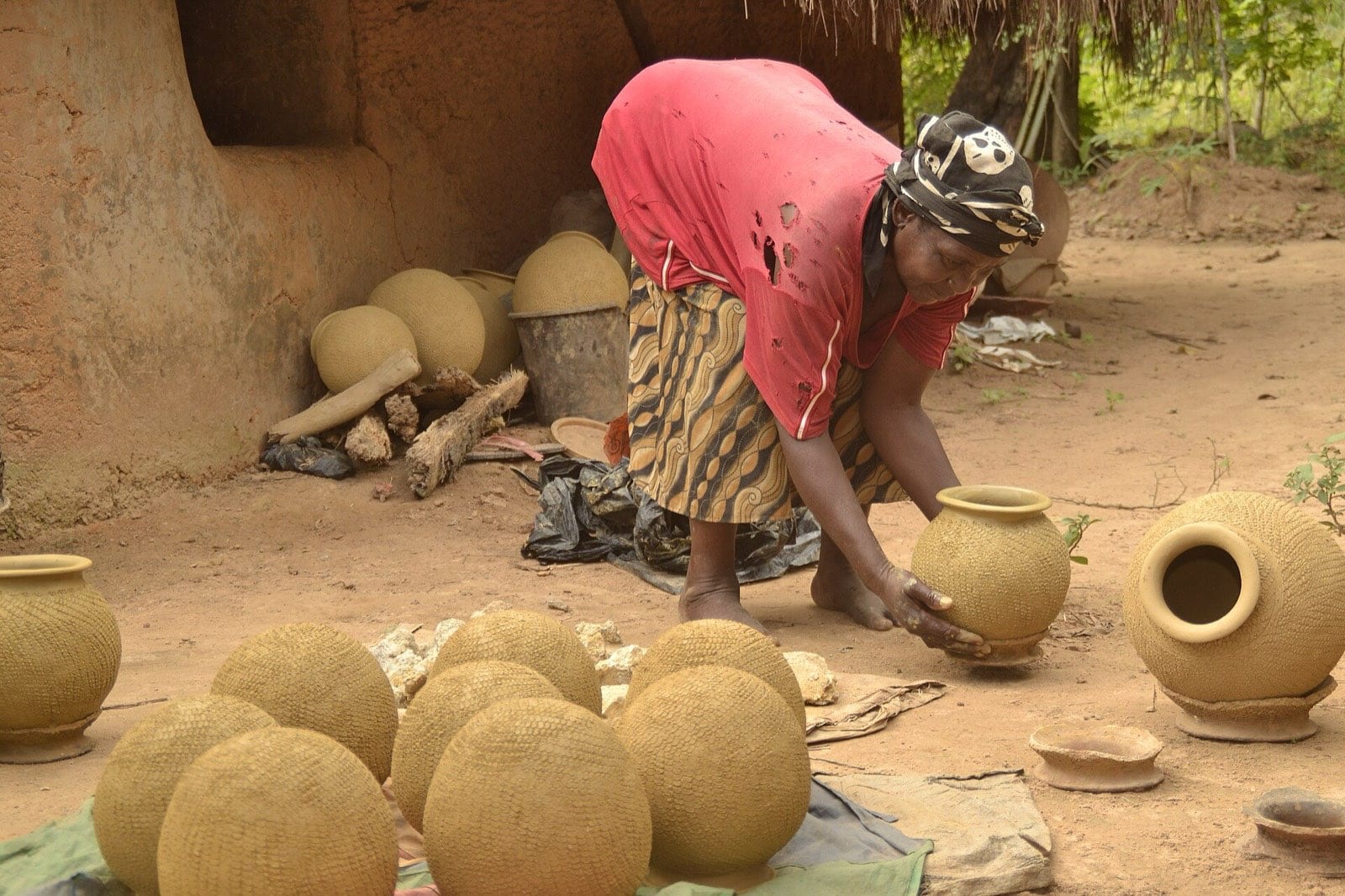
The clay is dug, crushed, soaked, and then built up by hand — no wheel — into a pot that will hold water and keep it cool by sweating through its own walls. The whole sequence takes days and is done standing.
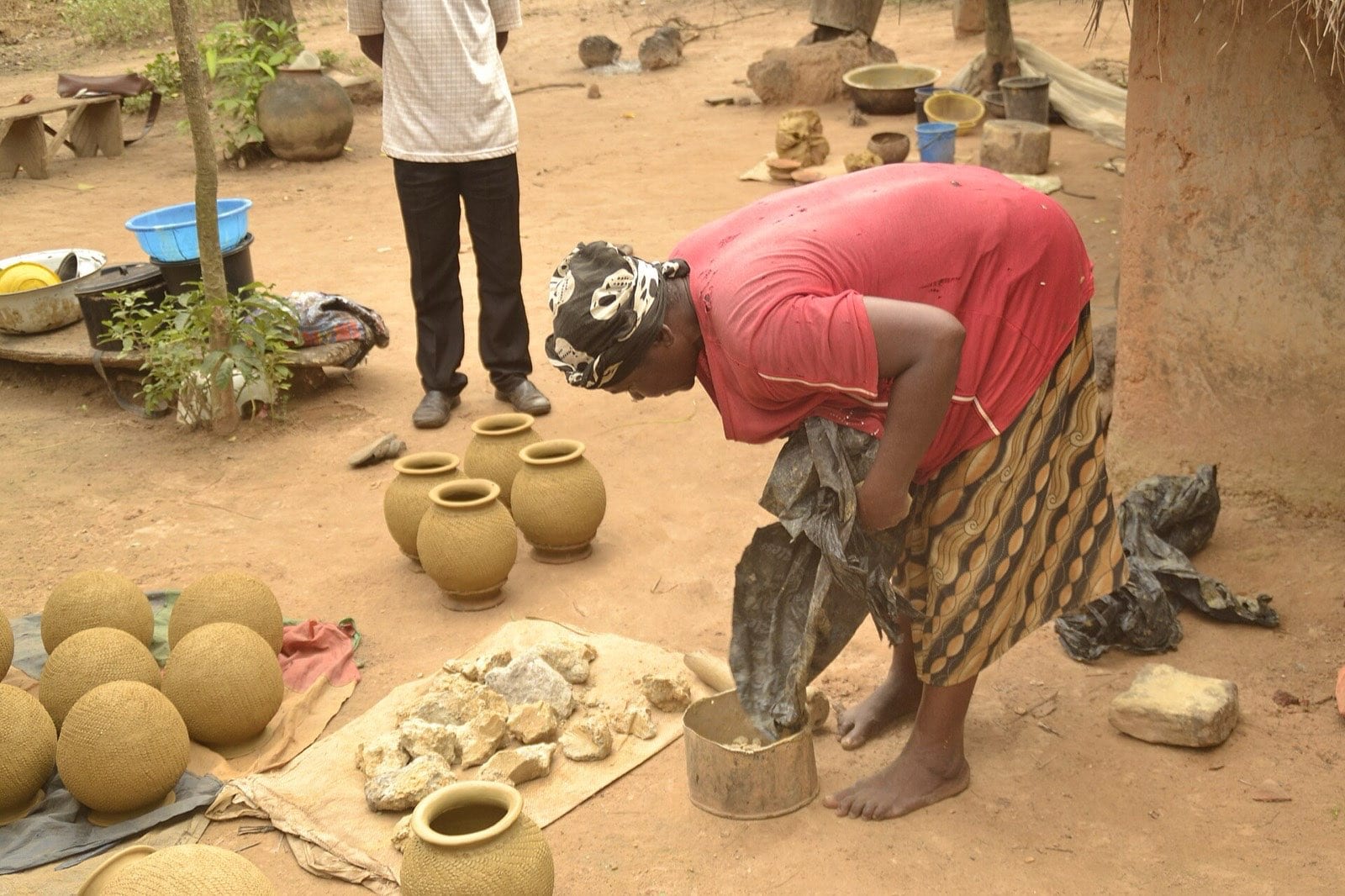
Crushed clay being poured into a soaking pot.
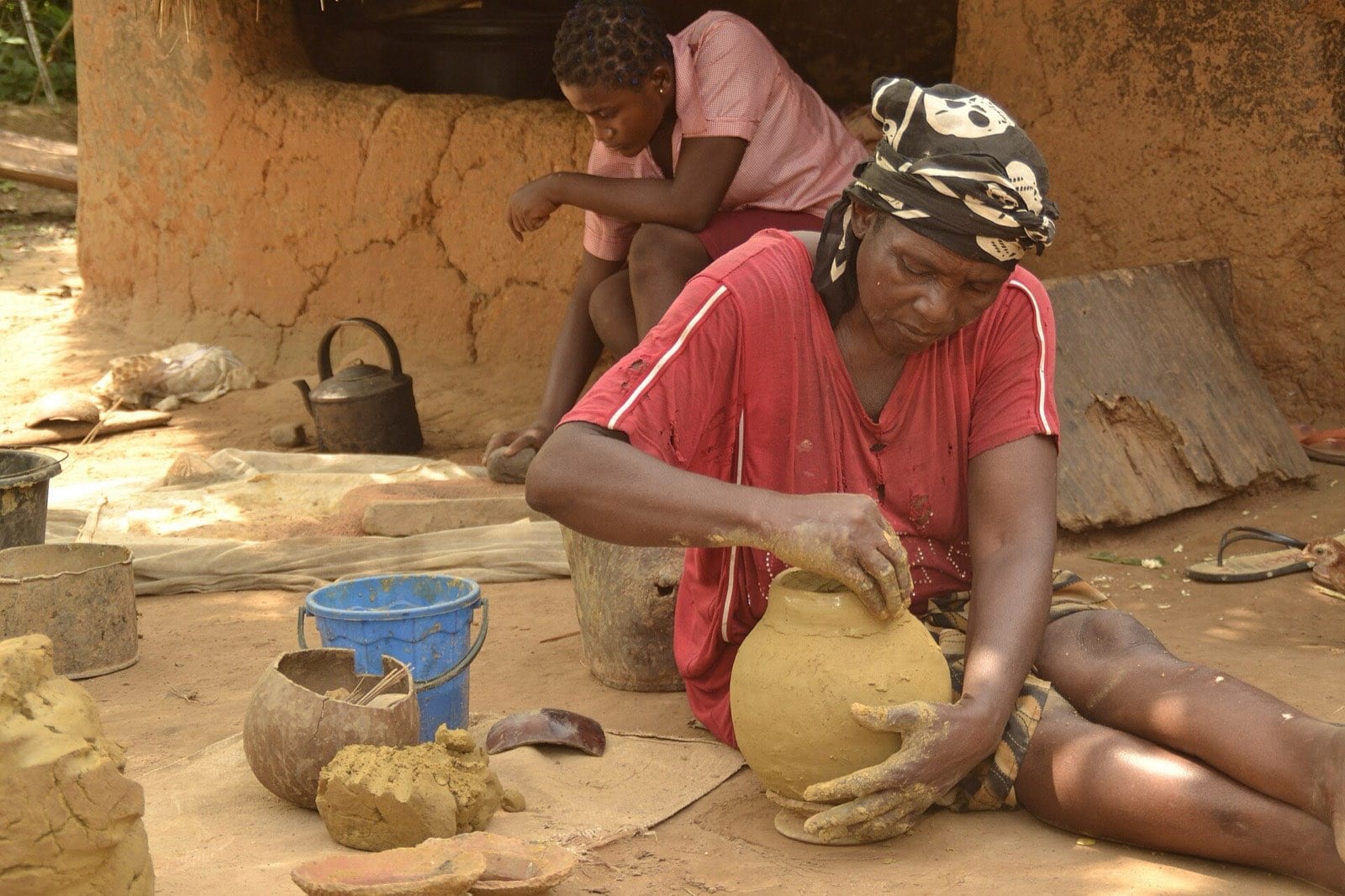
A potter shaping the mouth of a clay pot.
A spiral metal tool being rolled around a pot to work a pattern into it.
Finished clay pots standing in the sun to dry.
Ikpu ite, in sequence: the clay soaked, the body raised, the mouth shaped, the pattern rolled in, and the pots left out to dry. Photographs: Chukwukajustice / Wikimedia Commons (CC BY-SA 4.0)

She is right that it is not enough, and she is right that it is the argument. There is no obvious commercial future here that does not route through the decorative market, which pays better and makes something other than a water pot.
Who reported this

Halima Sadiq

Staff photographer · Jos

Photographs work and weather. Prefers a long stay to a quick assignment, and shoots most of the plateau in the cold months.

Nkechi Obi

Potter · Onitsha

Makes water pots by hand in the way her mother did, and is candid that almost no one under thirty is learning it.

More from Onitsha

The place page
Dispatch

Everything crosses at Onitsha

A river port with what is often called the largest market in West Africa, and one bridge holding it all together.

8 min read

Food

What a market day actually costs

Ugu, tomatoes, peppers and stockfish: the arithmetic behind a stall, and why the price is never only the price.

6 min read

Read next

Two, chosen by hand — usually somewhere else in the country.

Nearby places to explore