Skip to the stories

Onitsha, Anambra

6.1414° N, 6.8021° E

FoodFood

What a market day actually costs

Ugu, tomatoes, peppers and stockfish: the arithmetic behind a stall, and why the price is never only the price.

Words Tobi Adeyemi

6 min read

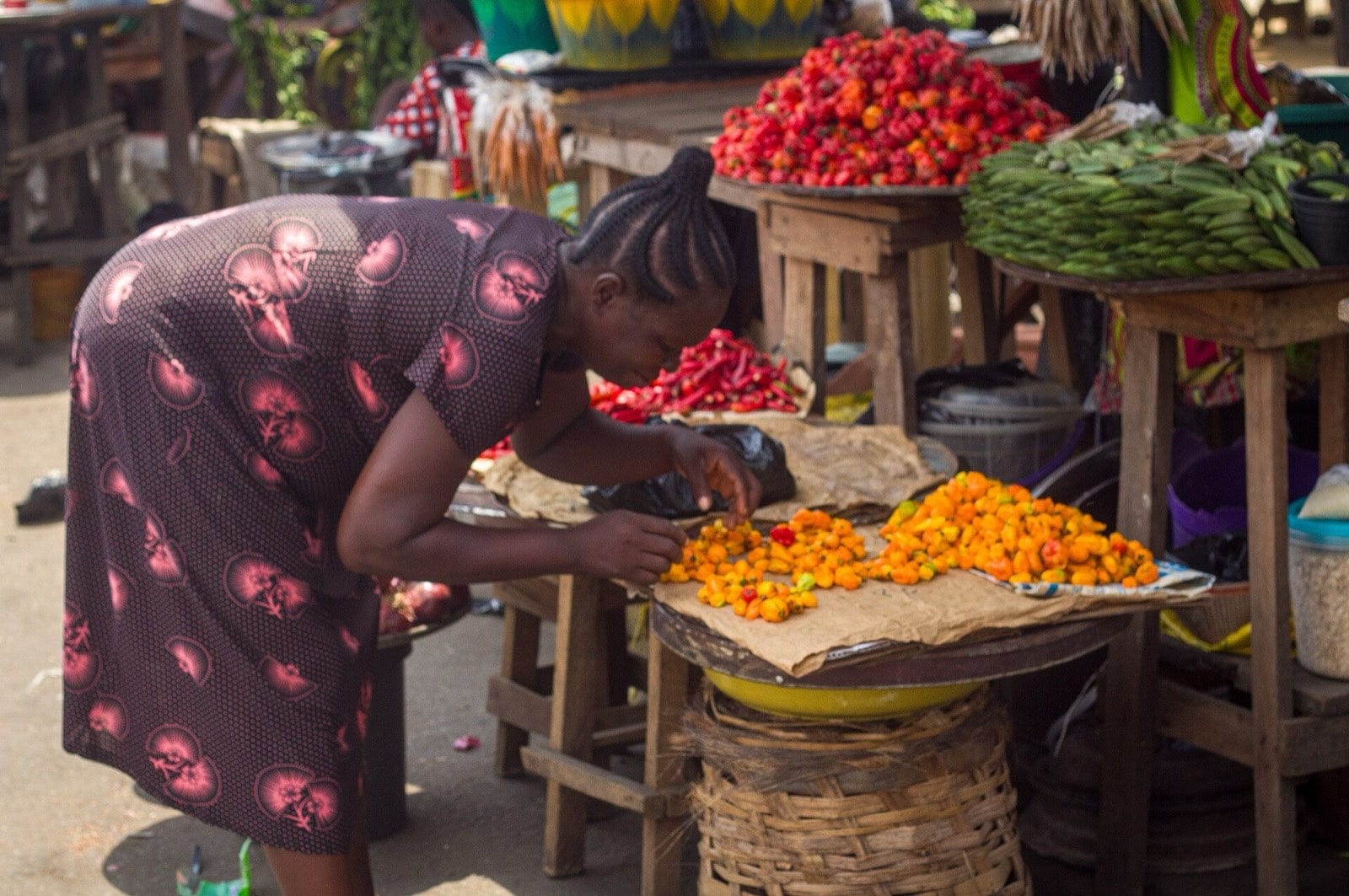
A woman arranging fresh peppers on a market stall.
Photograph: TopmanJnr1 / Wikimedia Commons (CC BY-SA 4.0)

About Onitsha

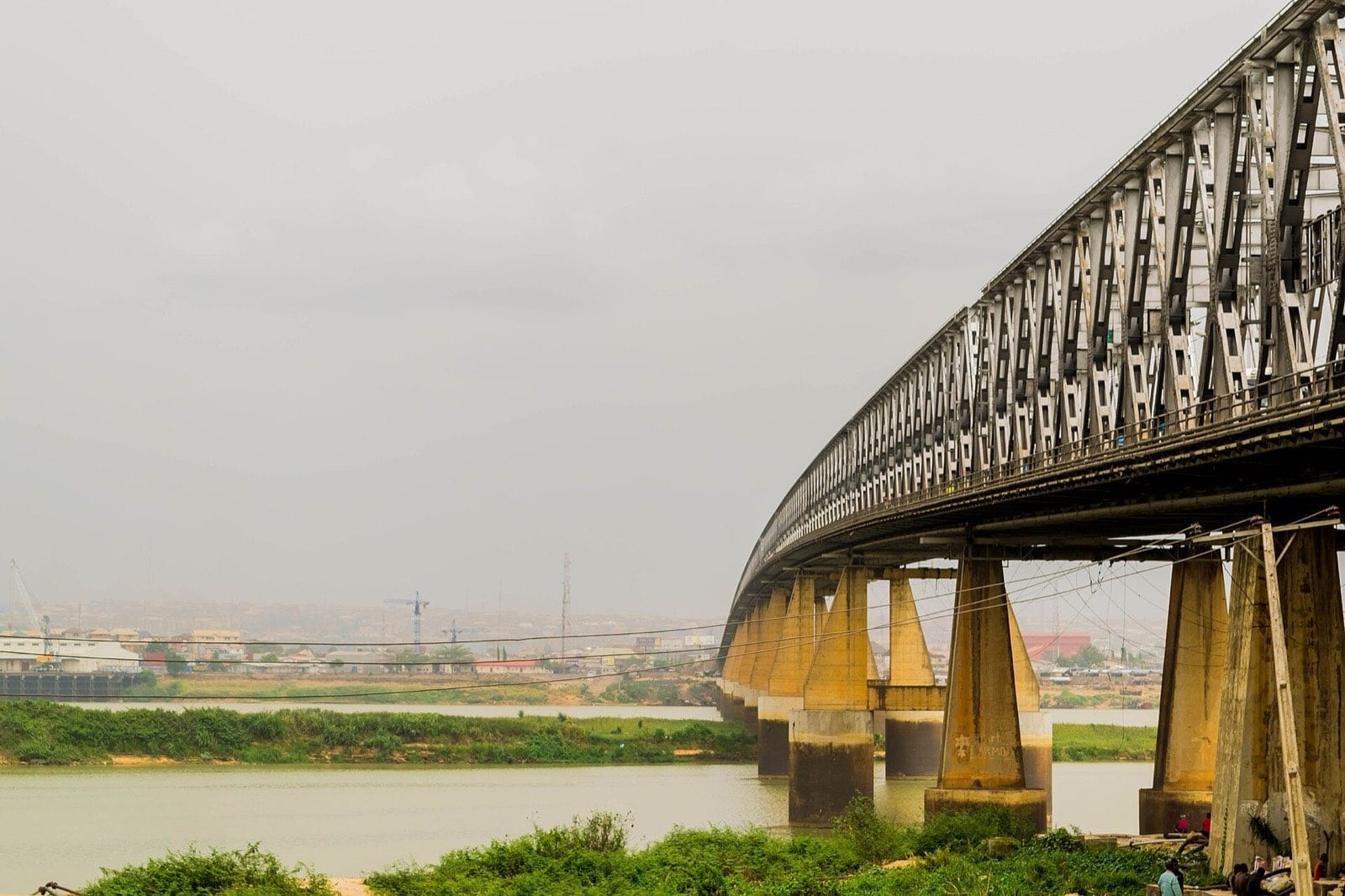
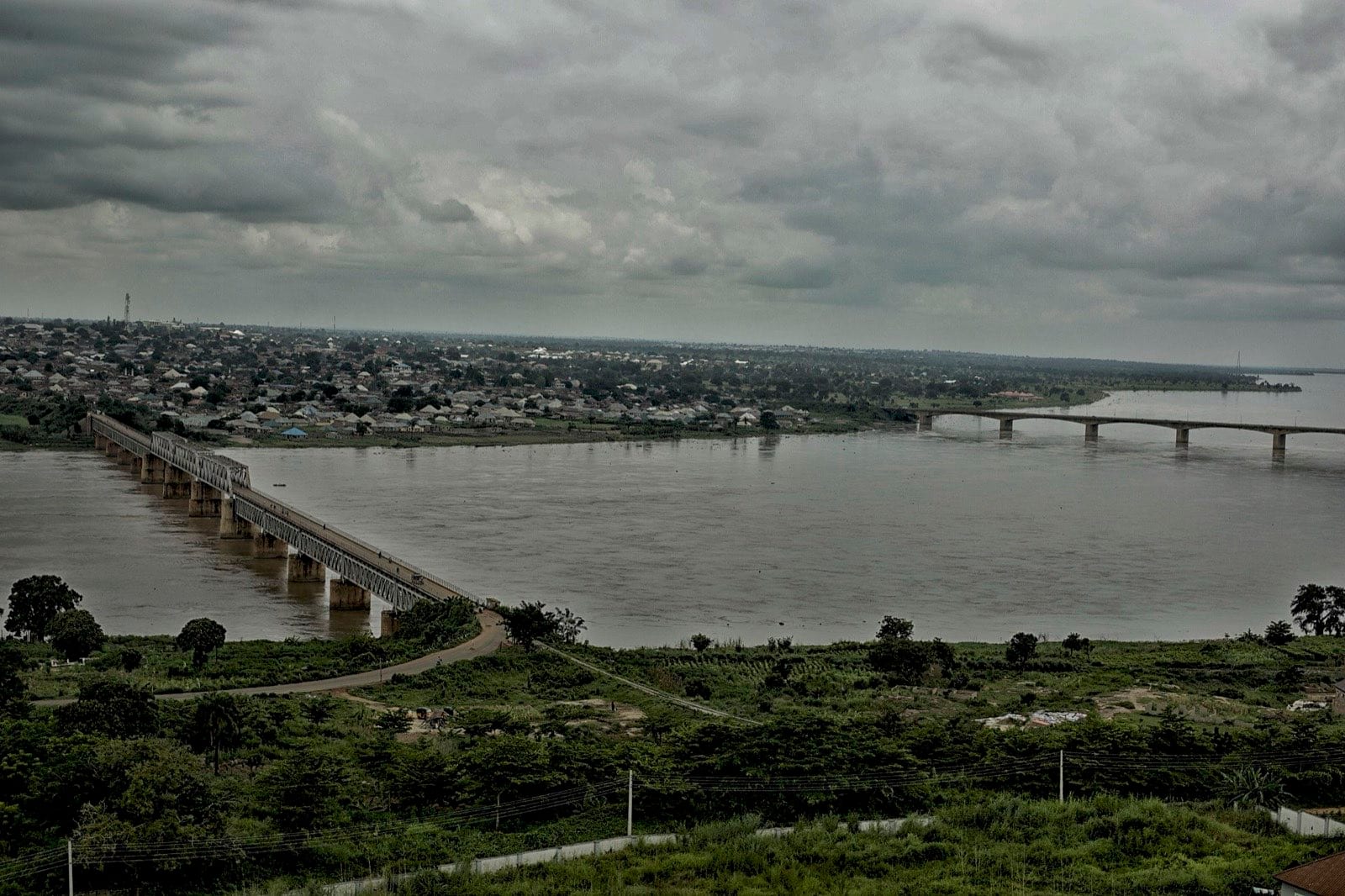
Onitsha sits on the east bank of the Niger at the point where the bridge crosses, and it has been a trading town since long before that bridge. The Main Market is a city inside the city. In the 1950s and 60s the town produced Onitsha Market Literature — cheap pamphlets on love and money and how to behave — which is one of the few genuinely popular literary movements the continent has had.

Everything from Onitsha

A trader selling ugu is not primarily selling ugu. She is selling the fact that the leaves are here, today, in the quantity you want, having survived a journey that would have destroyed them if anyone had been careless.
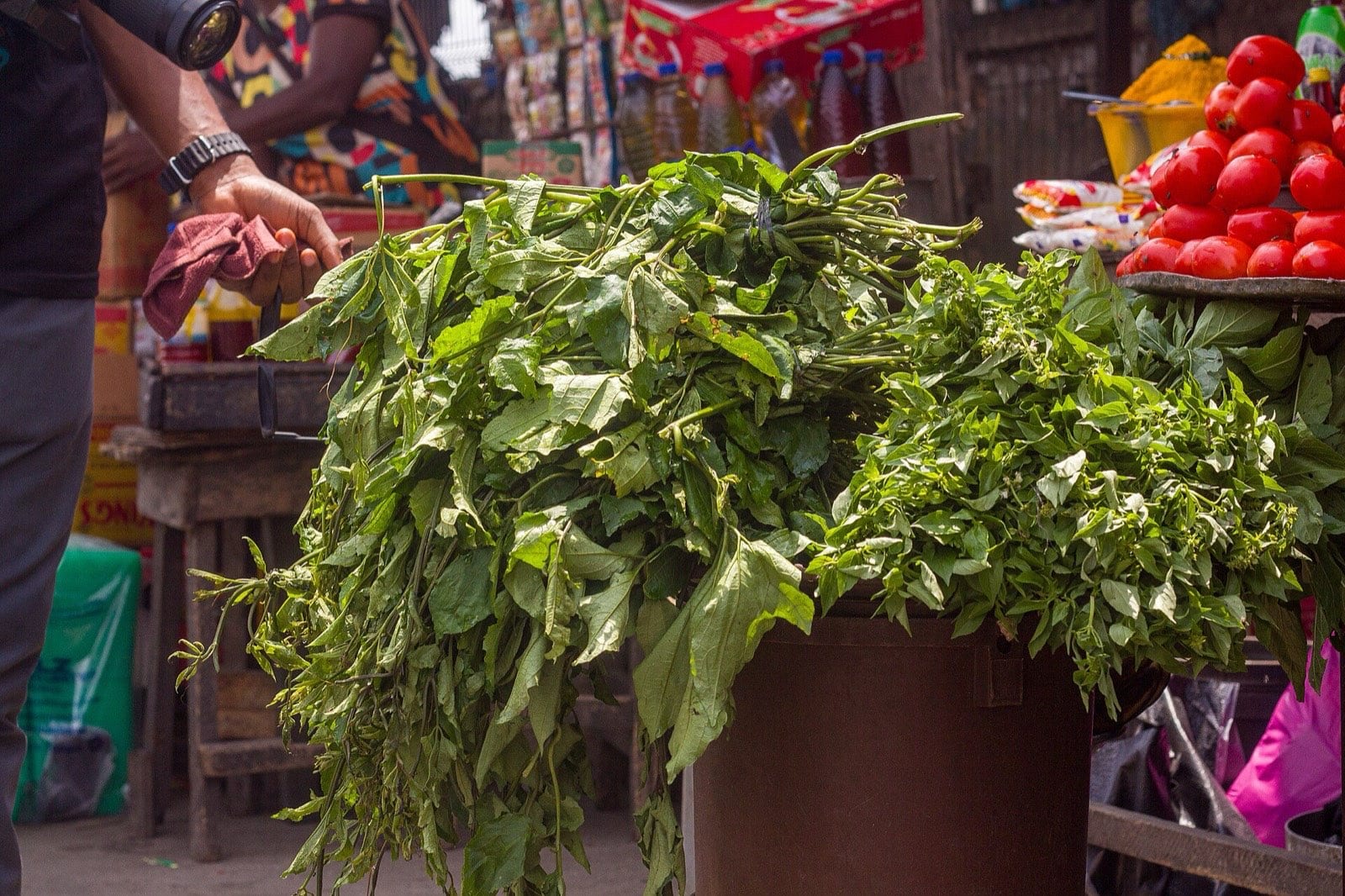
Bunches of fluted pumpkin leaves — ugu — displayed for sale.
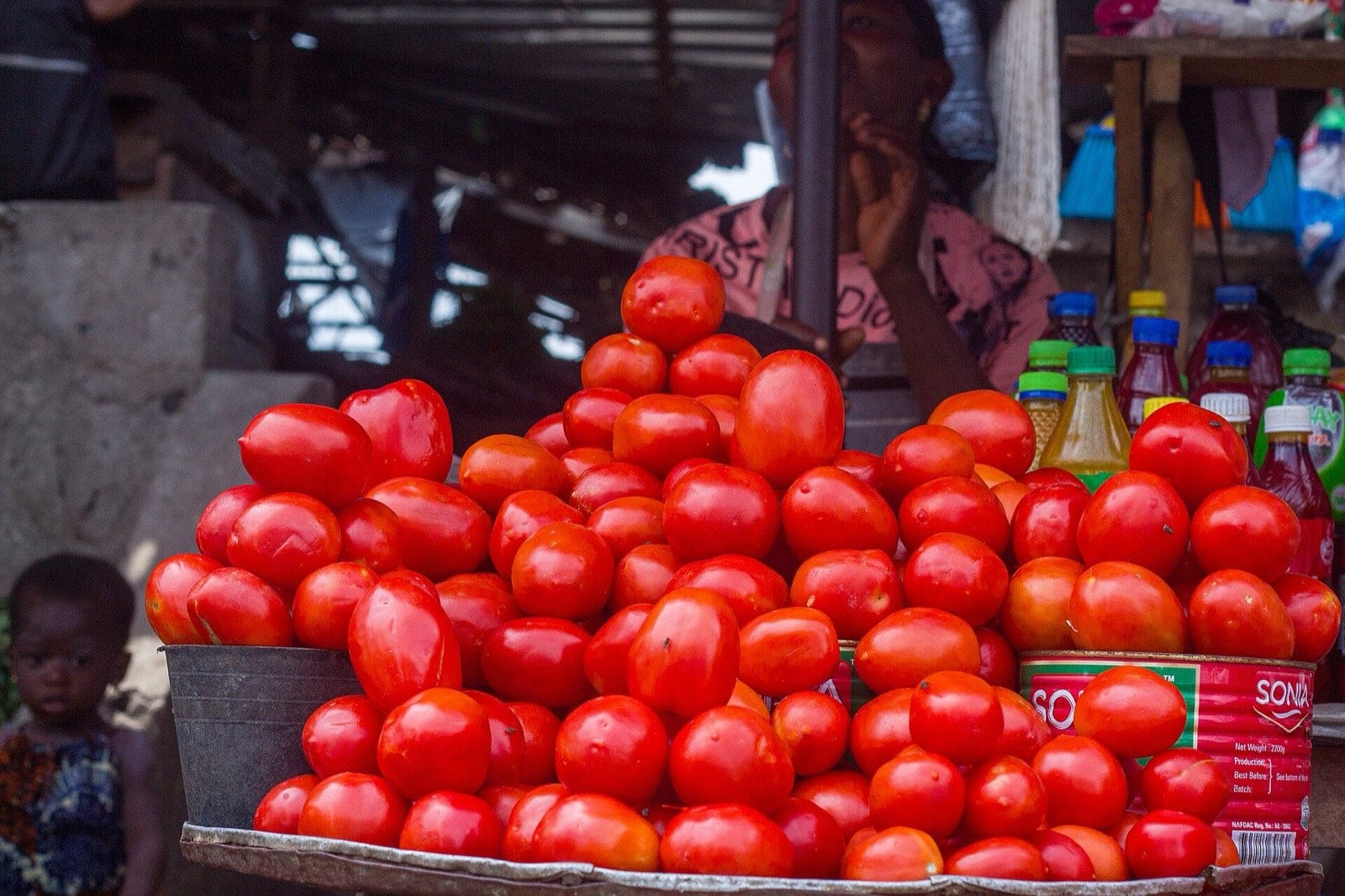
A pile of ripe tomatoes stacked at a market stall.
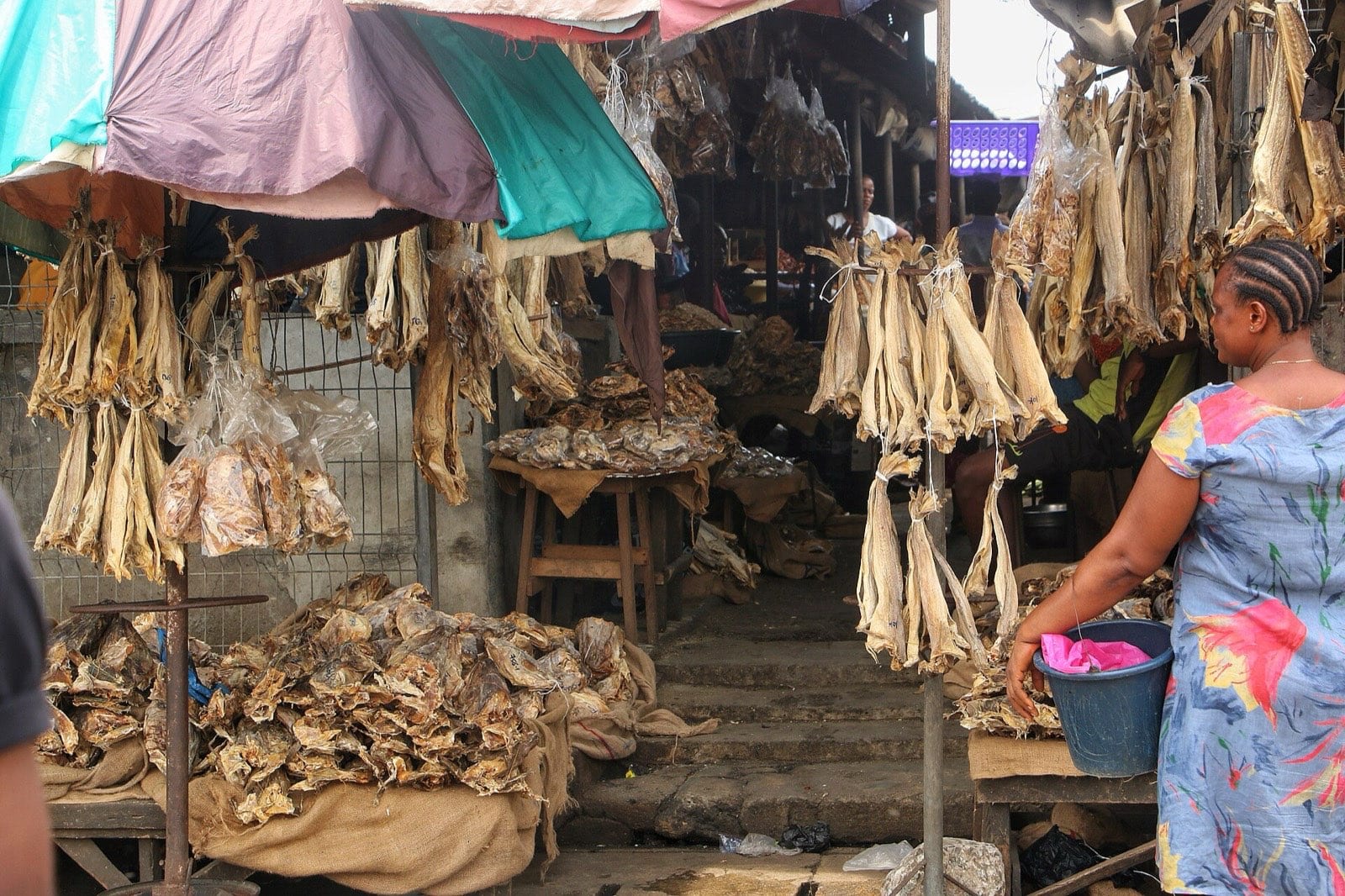
A market stall hung with stockfish in several sizes.
A morning's stall: ugu, tomatoes and stockfish. Photographs: TopmanJnr1 / Wikimedia Commons (CC BY-SA 4.0); BishopNana / Wikimedia Commons (CC BY 4.0)

The transport is the cost that moves. Fuel, the state of the road and how many times the load is handled between the farm and the stall account for more of the final price than the farmer's margin does, and by a wide margin.

  • Stockfish keeps, which is why it is priced against storage rather than freshness.
  • Leaves do not keep at all, which is why ugu is cheapest in the first hour and again in the last.
  • Tomatoes are the most perishable thing on most stalls and the most likely to be sold at a loss by afternoon.
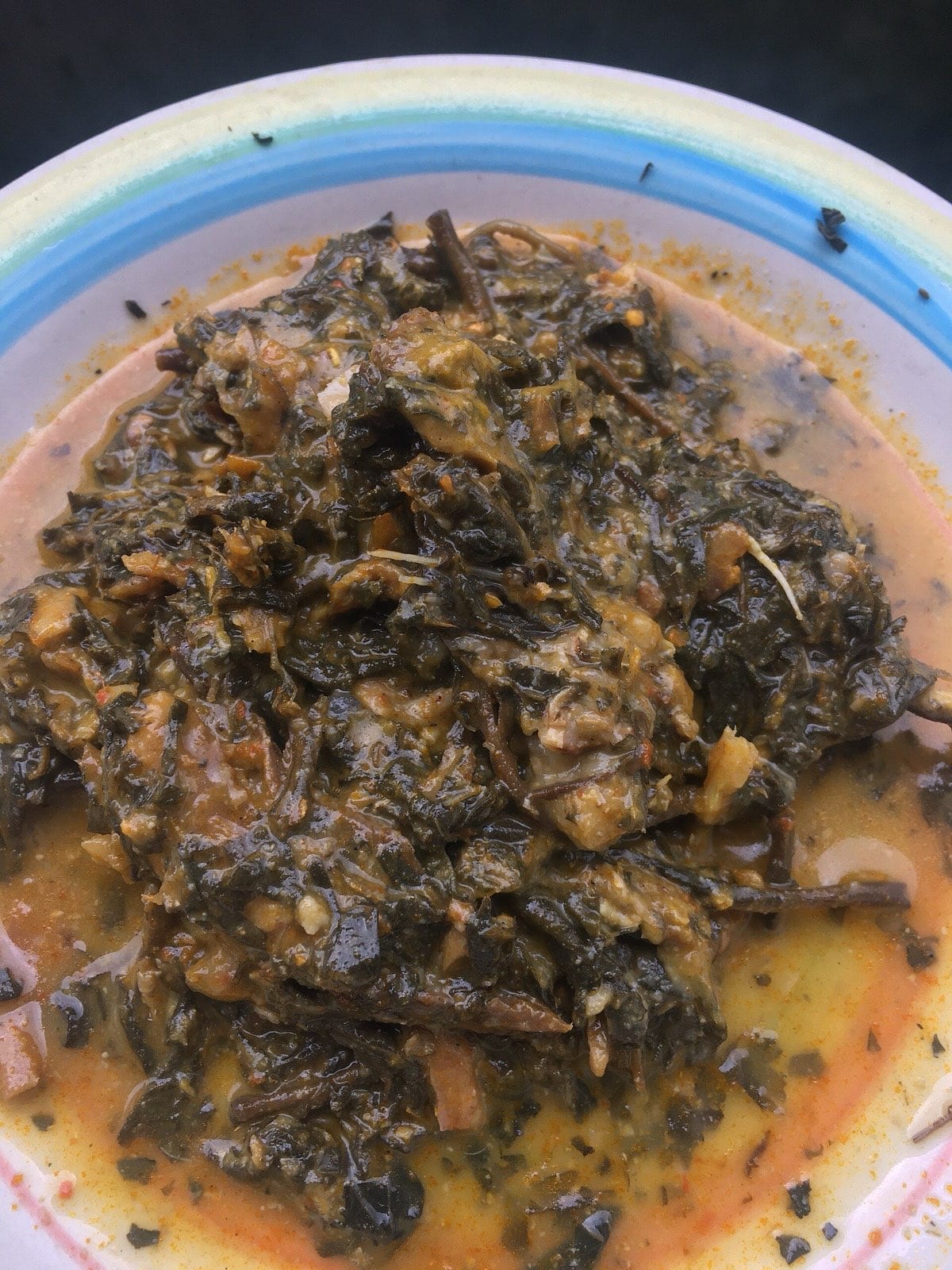
A bowl of bitterleaf soup.
Photograph: Beendy234 / Wikimedia Commons (CC BY-SA 4.0)

Who reported this

Tobi Adeyemi

Food editor · Ibadan

Writes about what people actually eat rather than what a restaurant would like them to. Particularly interested in market days and the economics of a single dish.

More from Onitsha

The place page
Dispatch

Everything crosses at Onitsha

A river port with what is often called the largest market in West Africa, and one bridge holding it all together.

8 min read

Read next

Two, chosen by hand — usually somewhere else in the country.

Nearby places to explore