Skip to the stories

Arochukwu, Abia

5.3894° N, 7.9147° E

Oral historyHistory

The oracle that ran the interior

Arochukwu governed trade across the Igbo interior through a shrine, until the British destroyed it in 1902.

Words Chidiebere Okafor

9 min read

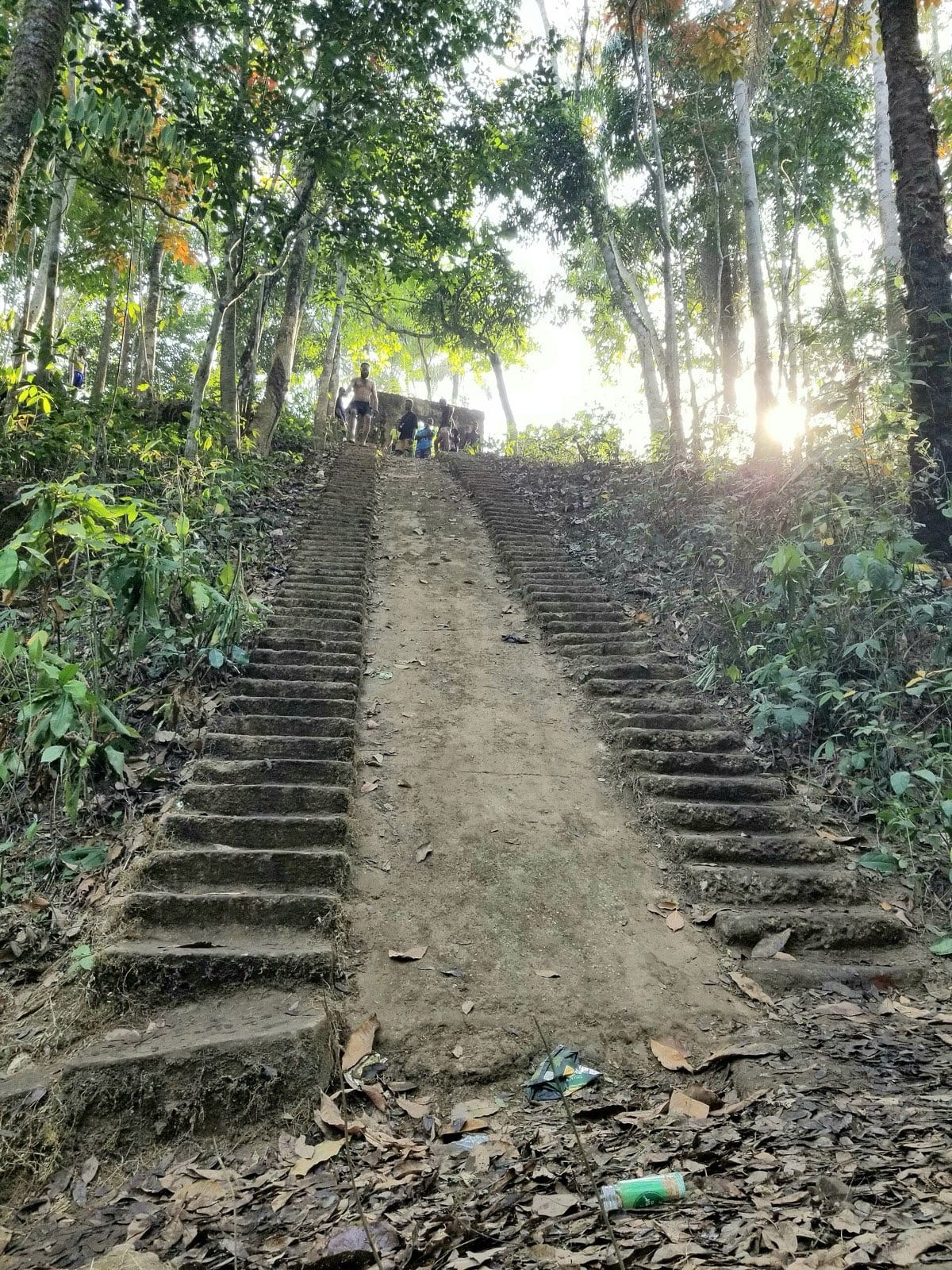
A long flight of stone steps cut down a wooded slope.
The steps at Arochukwu — seventy-nine of them, cut by the British after the 1902 expedition. Photograph: Goodymeraj / Wikimedia Commons (CC BY-SA 4.0)

About Arochukwu

Arochukwu was the home of the Ibini Ukpabi oracle, which the Aro used as the basis of a trading network that reached across what is now south-eastern Nigeria. The British destroyed it in 1902 in an expedition they called a punitive one. The Long Juju gorge and the colonial steps cut down to it are both still there, and the town is quieter than its history.

Everything from Arochukwu

The Ibini Ukpabi oracle at Arochukwu was the institution around which the Aro built a trading network reaching across what is now south-eastern Nigeria. Disputes were brought here for judgement. The judgement was authoritative because the oracle was, and the trade followed the authority.

In 1902 a British expedition — described at the time as punitive — destroyed the shrine. The Aro trading system did not survive it, which was the point.
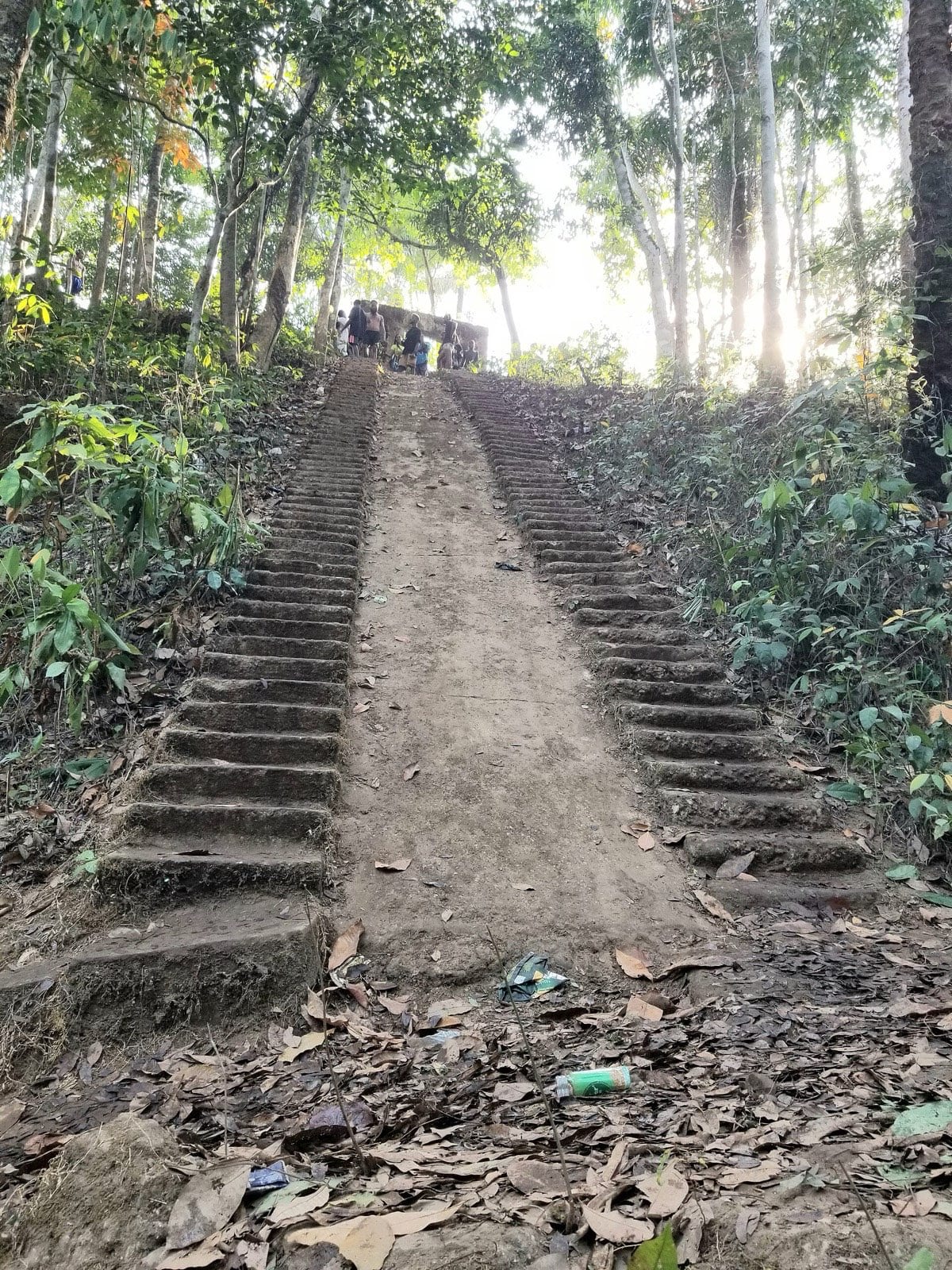
The stepped descent at Arochukwu, seen from partway down.
Photograph: Goodymeraj / Wikimedia Commons (CC BY-SA 4.0)

The steps cut down into the gorge are colonial work, put in afterwards. There are seventy-nine of them and they are counted, precisely, by everyone who takes visitors down.
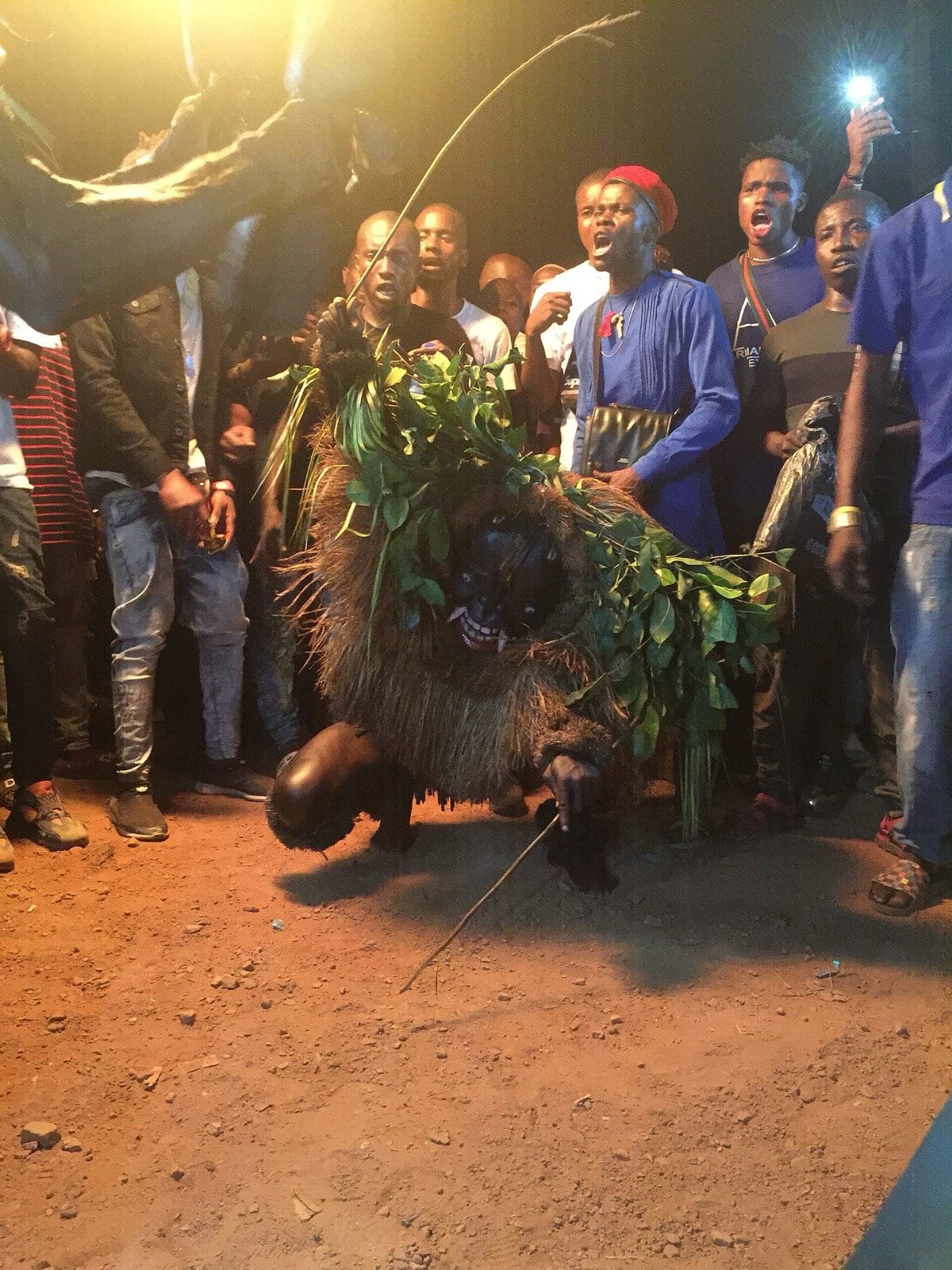
An Ekpo masquerade figure in raffia and cloth, mid-performance.
An Ekpo masquerade at Arochukwu. Photograph: Chimeremeze Okoro / Wikimedia Commons (CC BY-SA 4.0)

The Ekpo masquerade still performs in the town. It is not a reconstruction and it is not put on for anybody, which visitors sometimes find disappointing and should not.
Sources

Who reported this

Chidiebere Okafor

History editor · Enugu

Works on the histories that are held locally rather than written down, and on the buildings that are the last surviving witness to them.

Read next

Two, chosen by hand — usually somewhere else in the country.

Nearby places to explore