Badagry is an hour from Lagos on a good day and considerably more than that on most. It was a slaving port, then a mission station, then a town that Lagos comprehensively overtook — and it has been left holding a history that the larger city has been able to keep at arm's length.
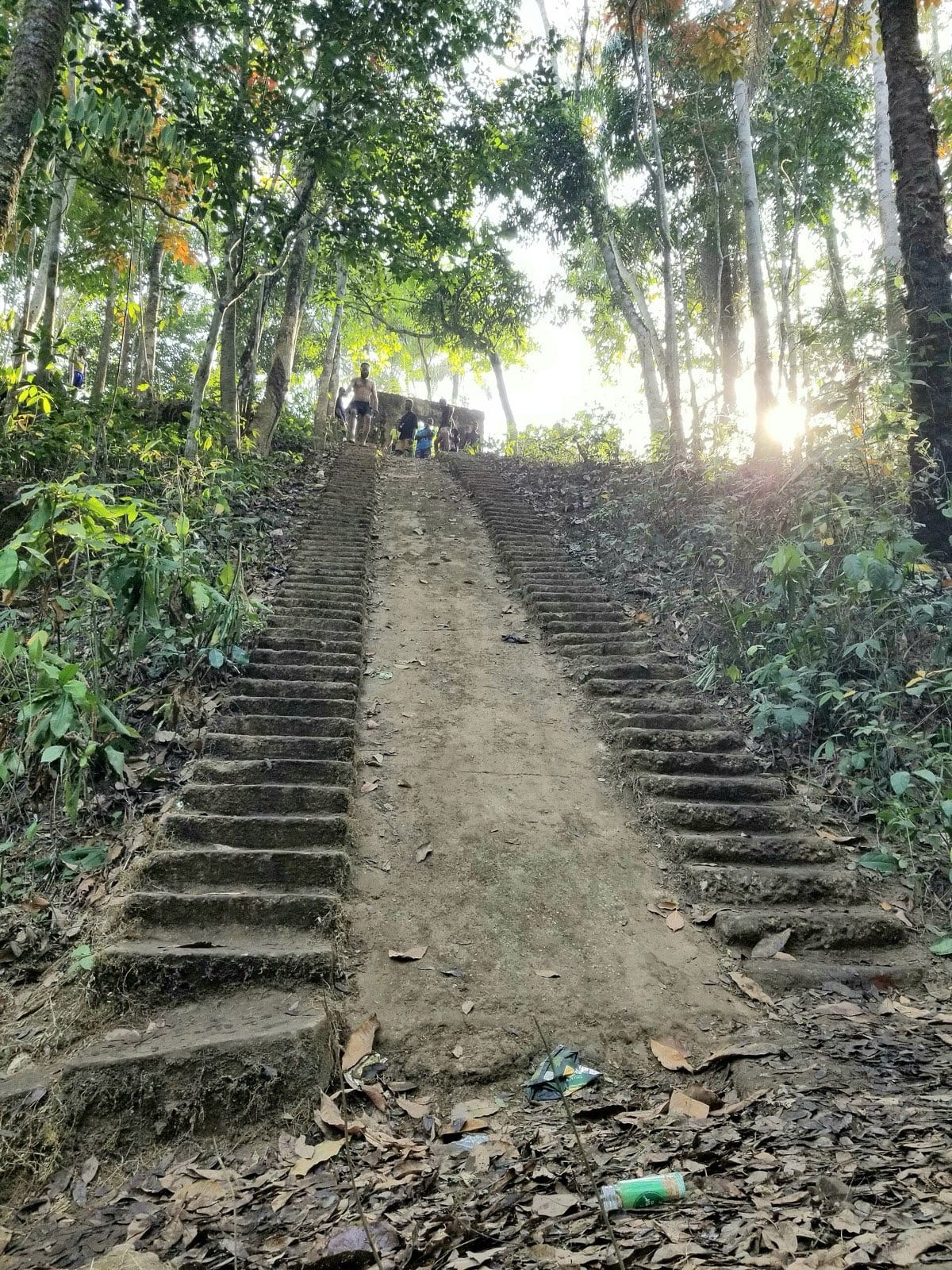
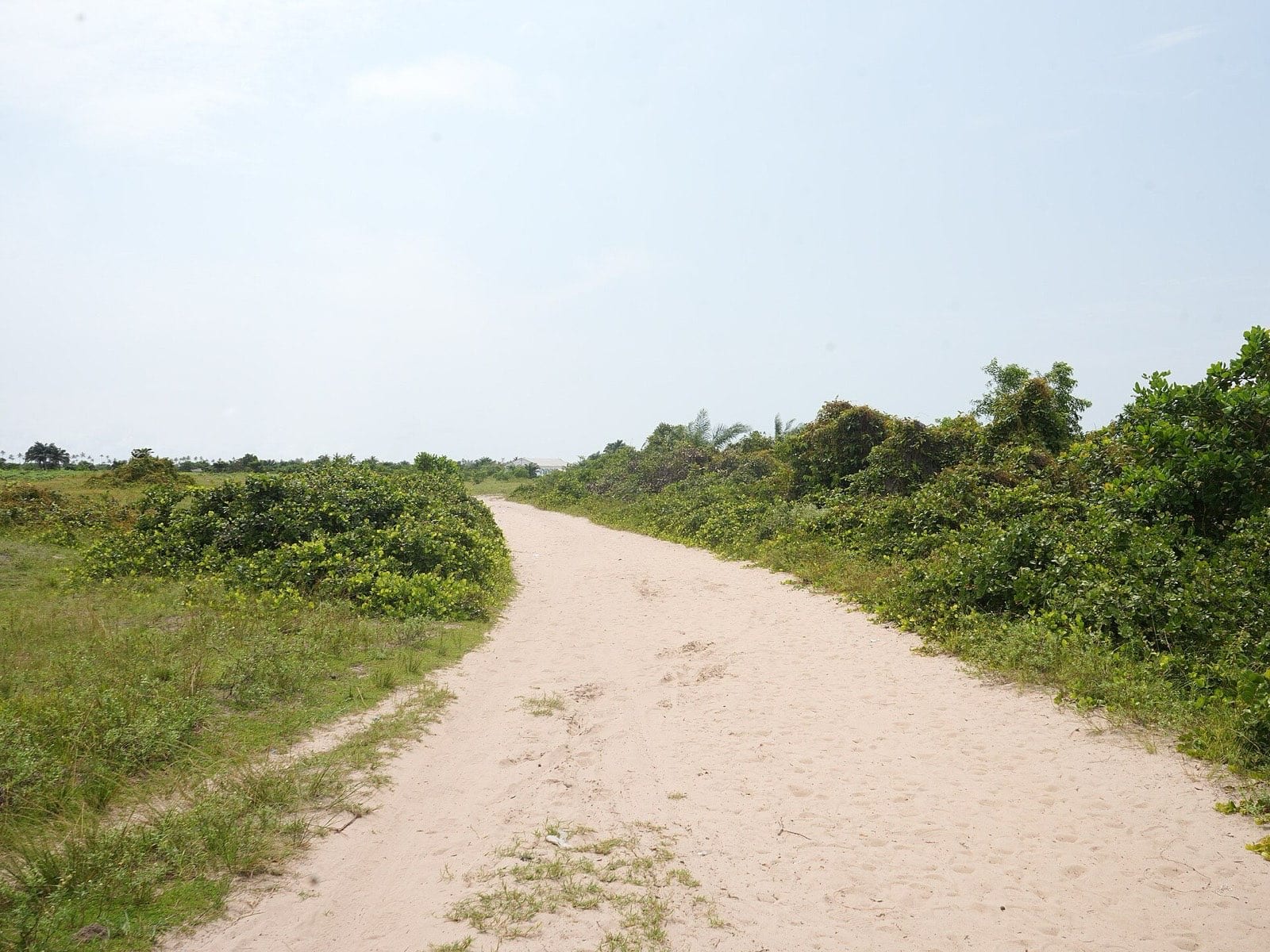
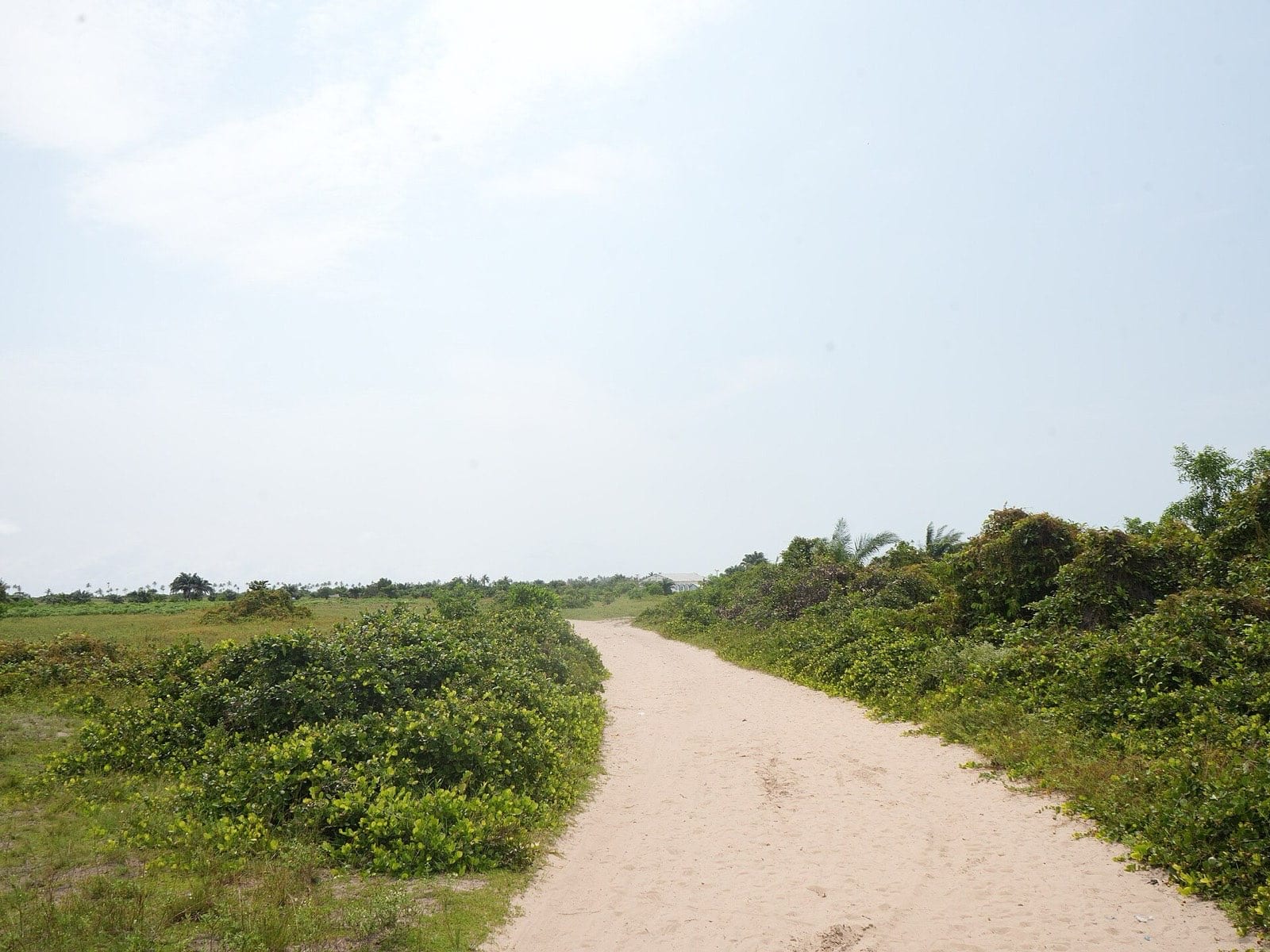
The route to the shore is walked by visitors now. It was walked by people who were shipped from the end of it. There is no version of describing this that is not inadequate, and the town has settled on not trying very hard to dress it up, which is the right decision.
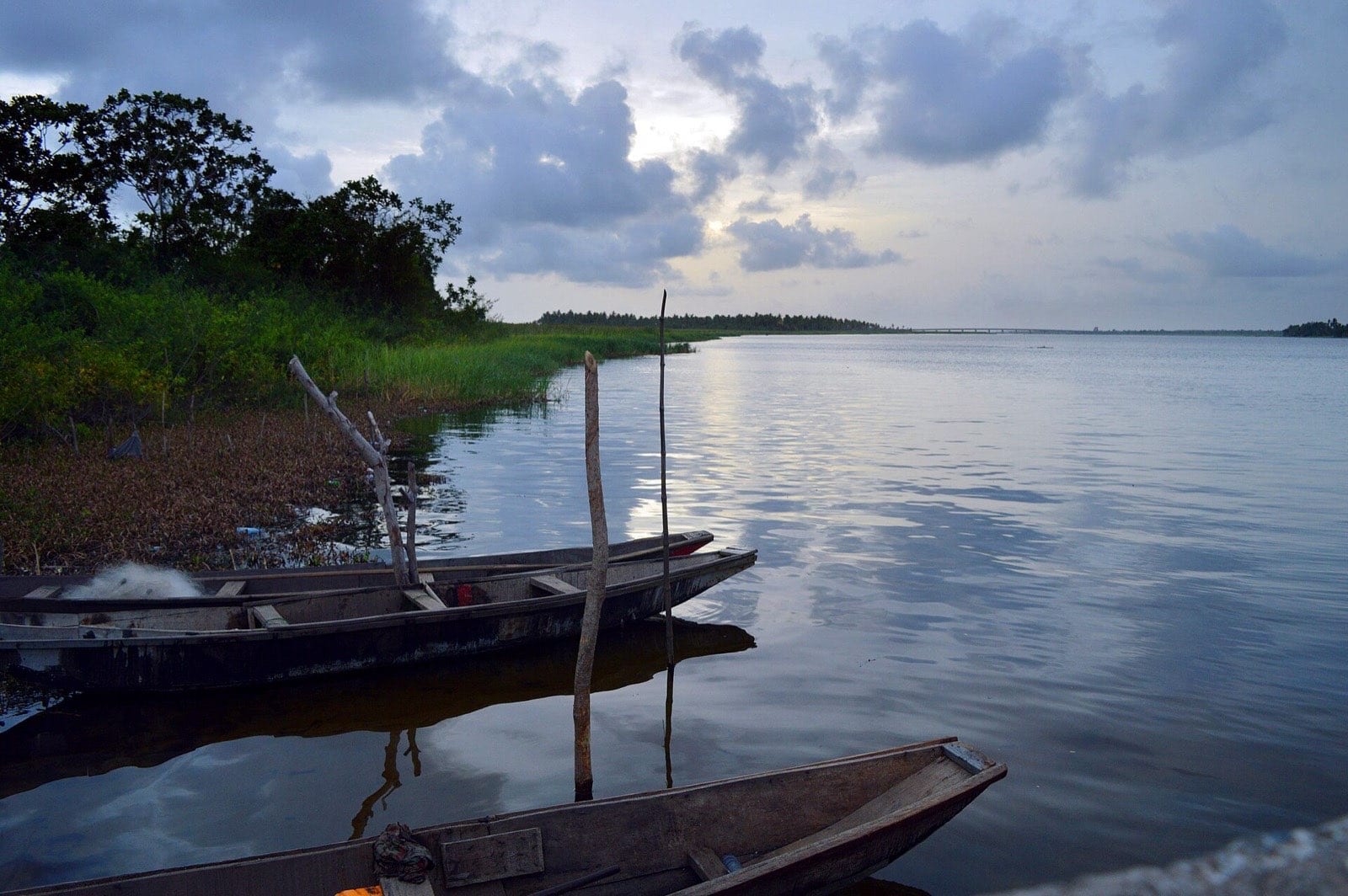
The lagoon is the other Badagry, and locally it is the more important one. The boats in the harbour work that water — fishing, sand, moving people to the Benin side — and the town's economy has always been amphibious.
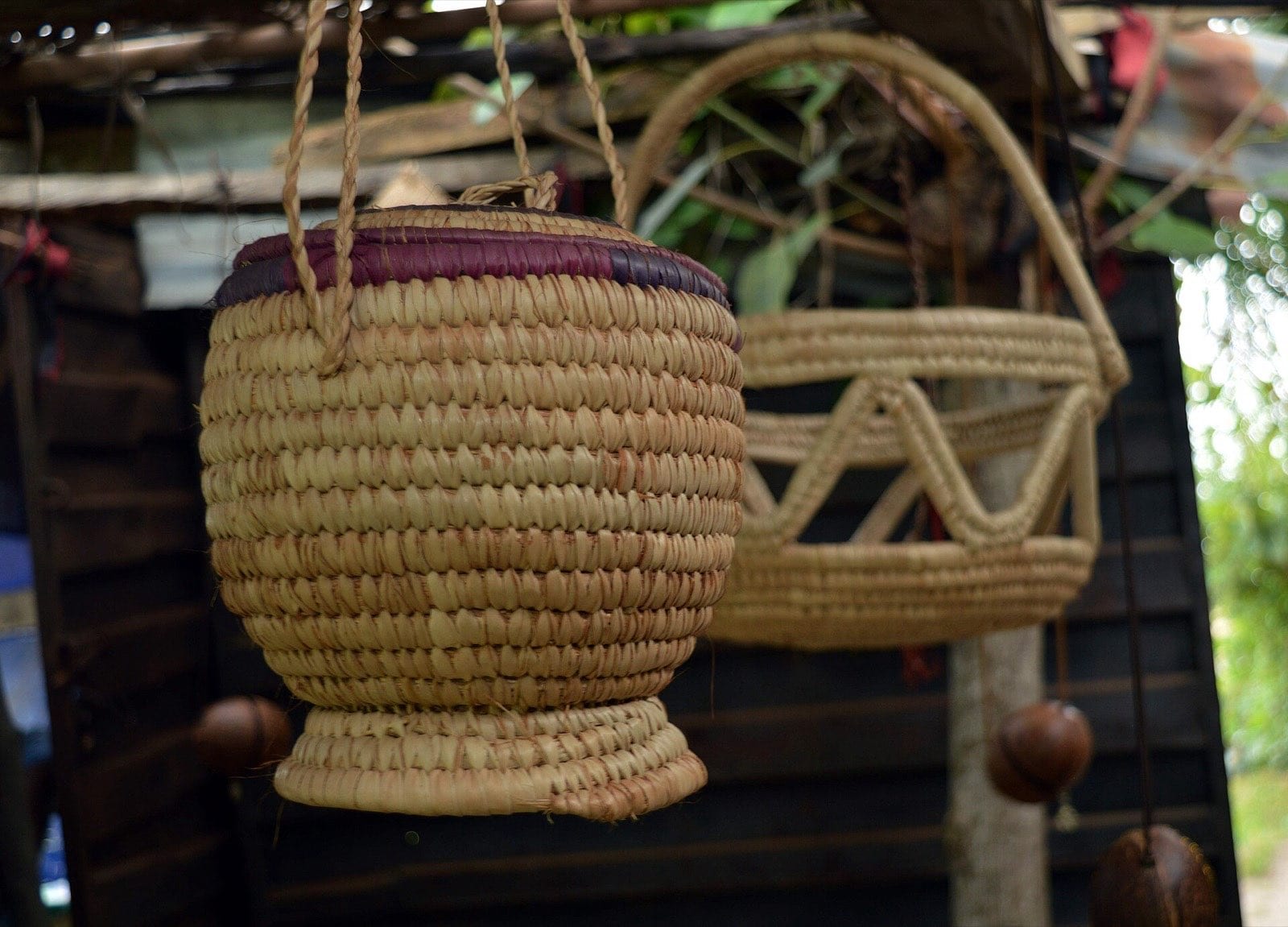
There is basketry here too, sold along the same road as the museum tickets, and the two trades have long since learned to share a pavement.
The heritage traffic and the working harbour do not sit particularly comfortably together, and Badagry has never quite decided which town it wants to be. It may not have to.