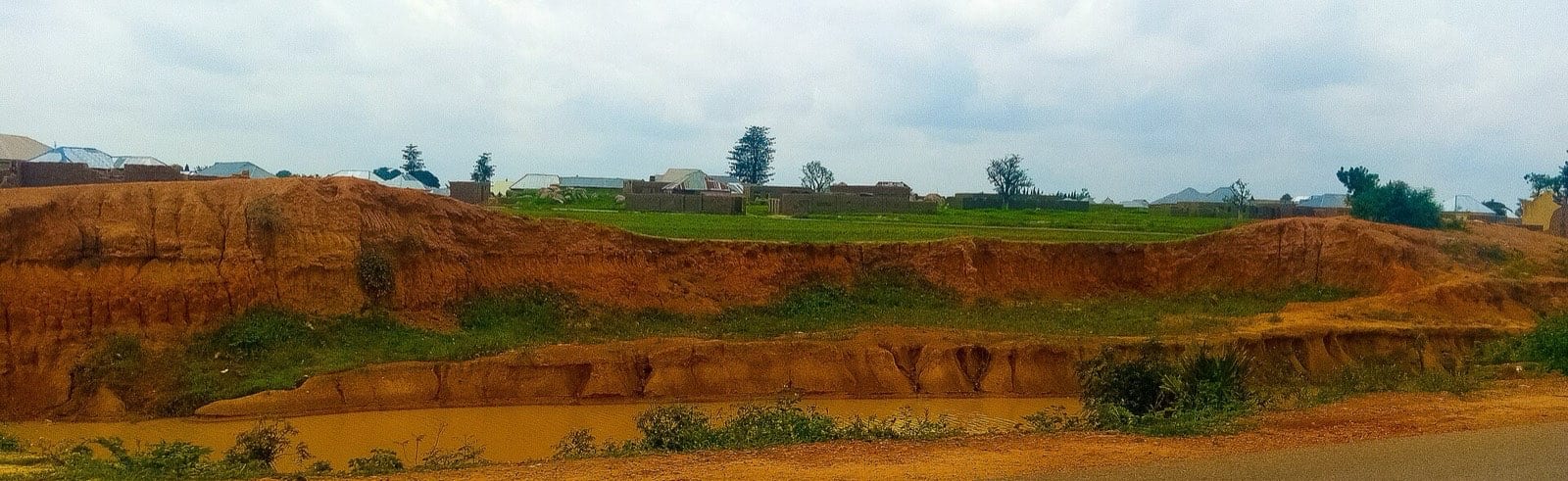
The walls of Zaria were raised between the thirteenth and fourteenth centuries, and they enclosed a city rather than a fort: farmland, wells and space to hold livestock through a siege. In most places they are now a low ridge under grass, distinguishable from the surrounding ground mainly because nothing has been built on them.
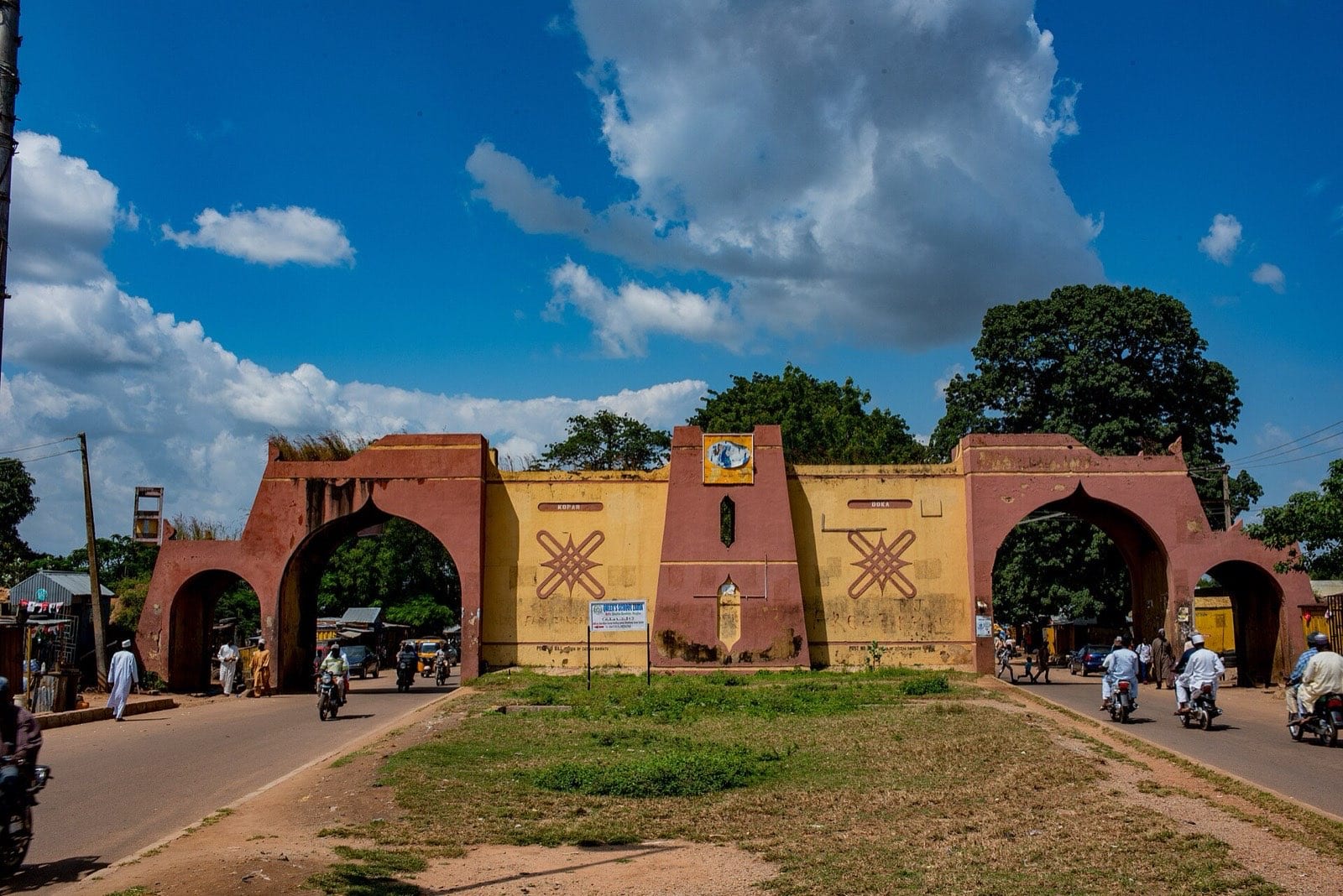
The gates have done better. Kofar Doka stands, restored, with the road running through it. It is the piece everyone photographs, and it gives a misleading impression of the whole — a visitor could reasonably conclude the walls are in good order, having seen the one part that is.
“An earth wall does not fall down. It goes back to being the ground it was made of.”
The maintenance question is genuinely difficult, and it is not primarily about money. Earth walls were maintained by the communities that sheltered behind them, under an obligation that was understood without being written. That obligation has no modern successor. The National Commission for Museums and Monuments has a mandate and almost no budget; the emirate has authority and no funds earmarked for it; the state has both, in principle, and other priorities.
Meanwhile the wall is a convenient source of building earth, and it is being taken. Nobody in Zaria is pretending otherwise.