Collection
The Last of the Trade
Four crafts, four towns, and four different answers to whether a trade can survive being admired.
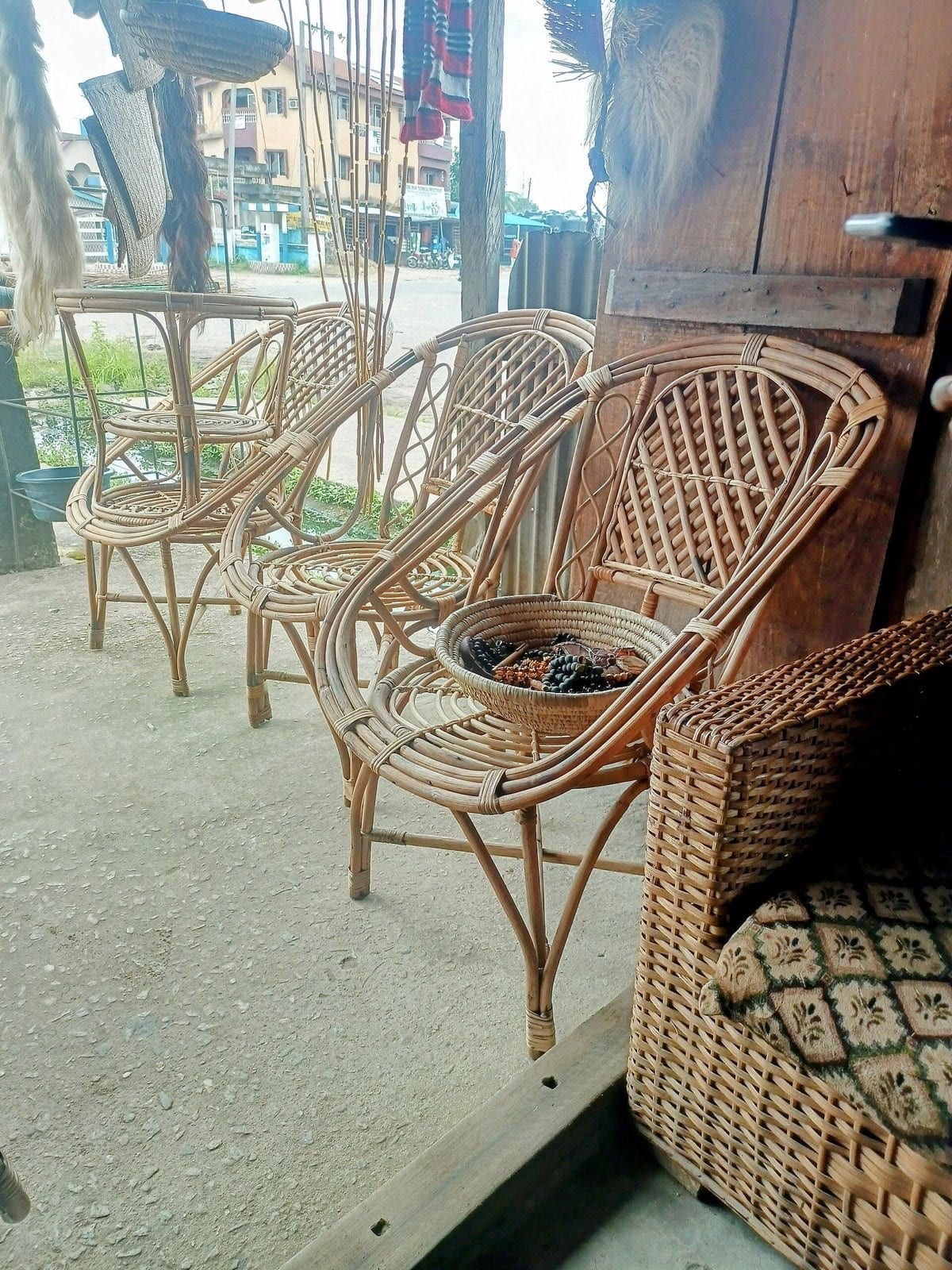
Indigo in Kano, pottery near Onitsha, raffia in Ikot Ekpene. The pattern that emerges across them is not about heritage funding or design or tourism — it is about organisation. The trade that is still training apprentices is the trade that is still there.
- DispatchKano12.00°N 8.59°E
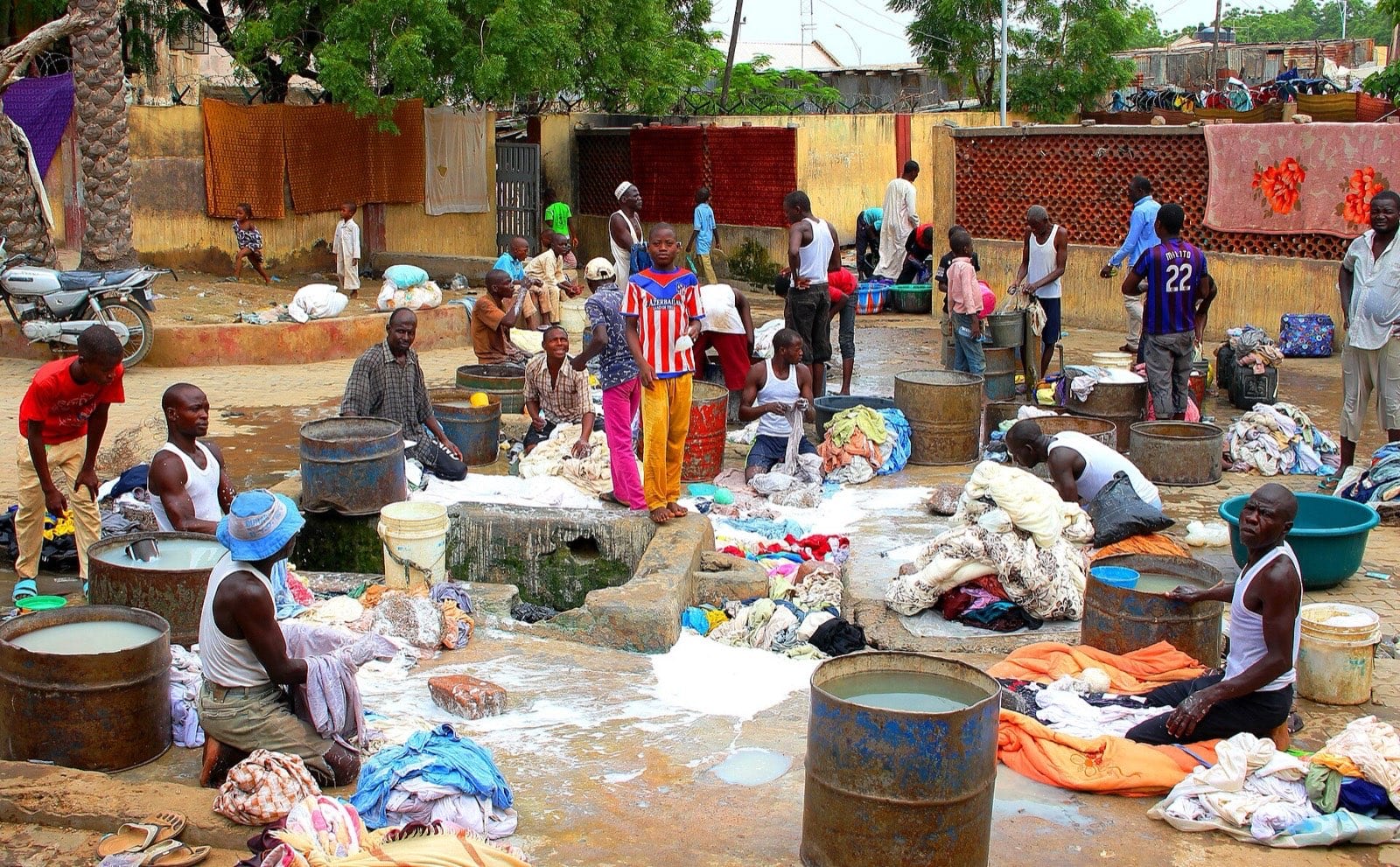
The last indigo pits at Kofar Mata
Five hundred years of dyeing in Kano has come down to a few dozen working pits and the men who still know the recipe.
- ProfileIkot Ekpene5.18°N 7.71°E
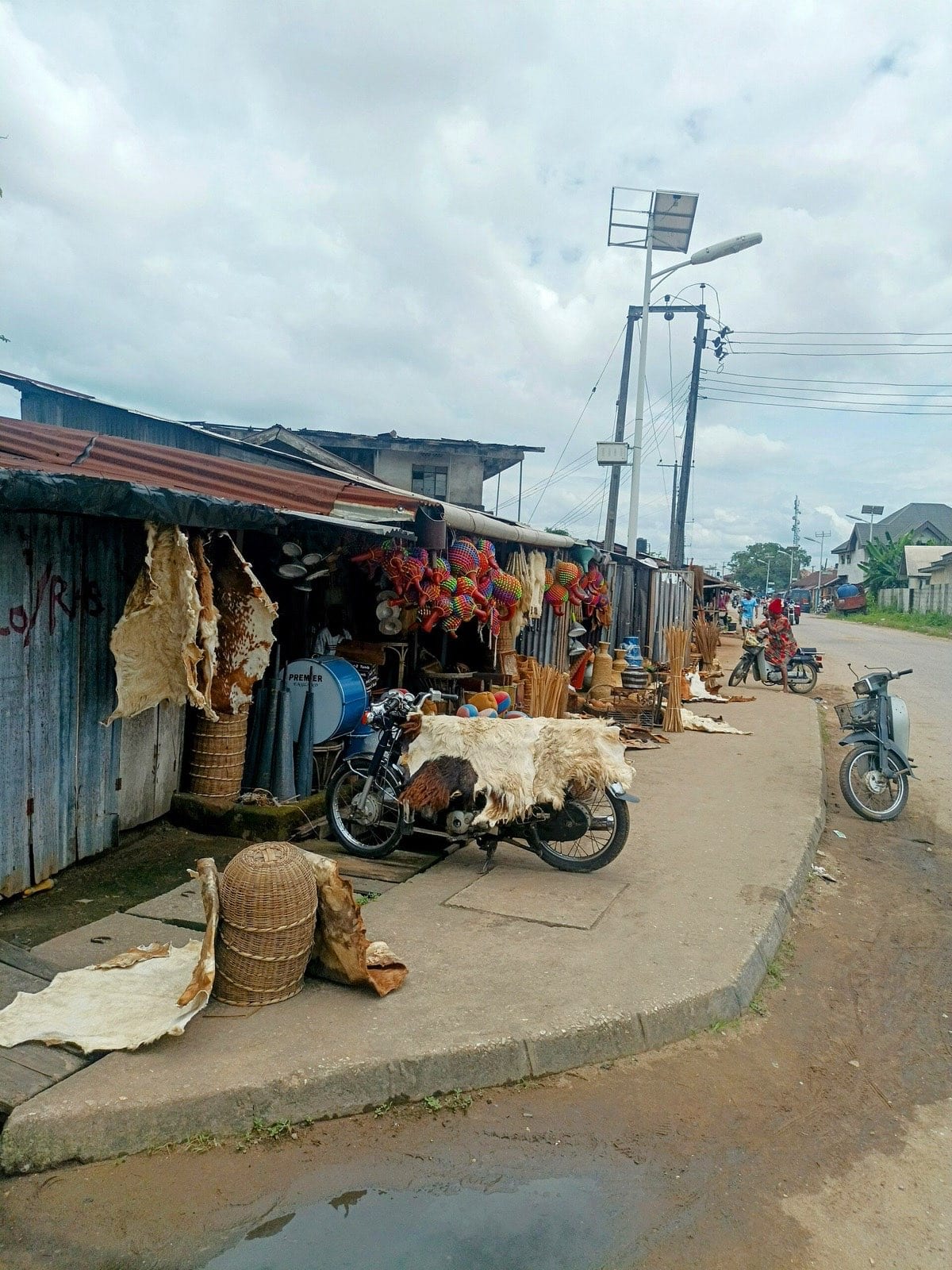
The union that still runs the Raffia City
Ikot Ekpene has traded on woven palm fibre for a century, and the trade is still organised the way it was in the 1970s.
- Photo essayOnitsha6.14°N 6.80°E
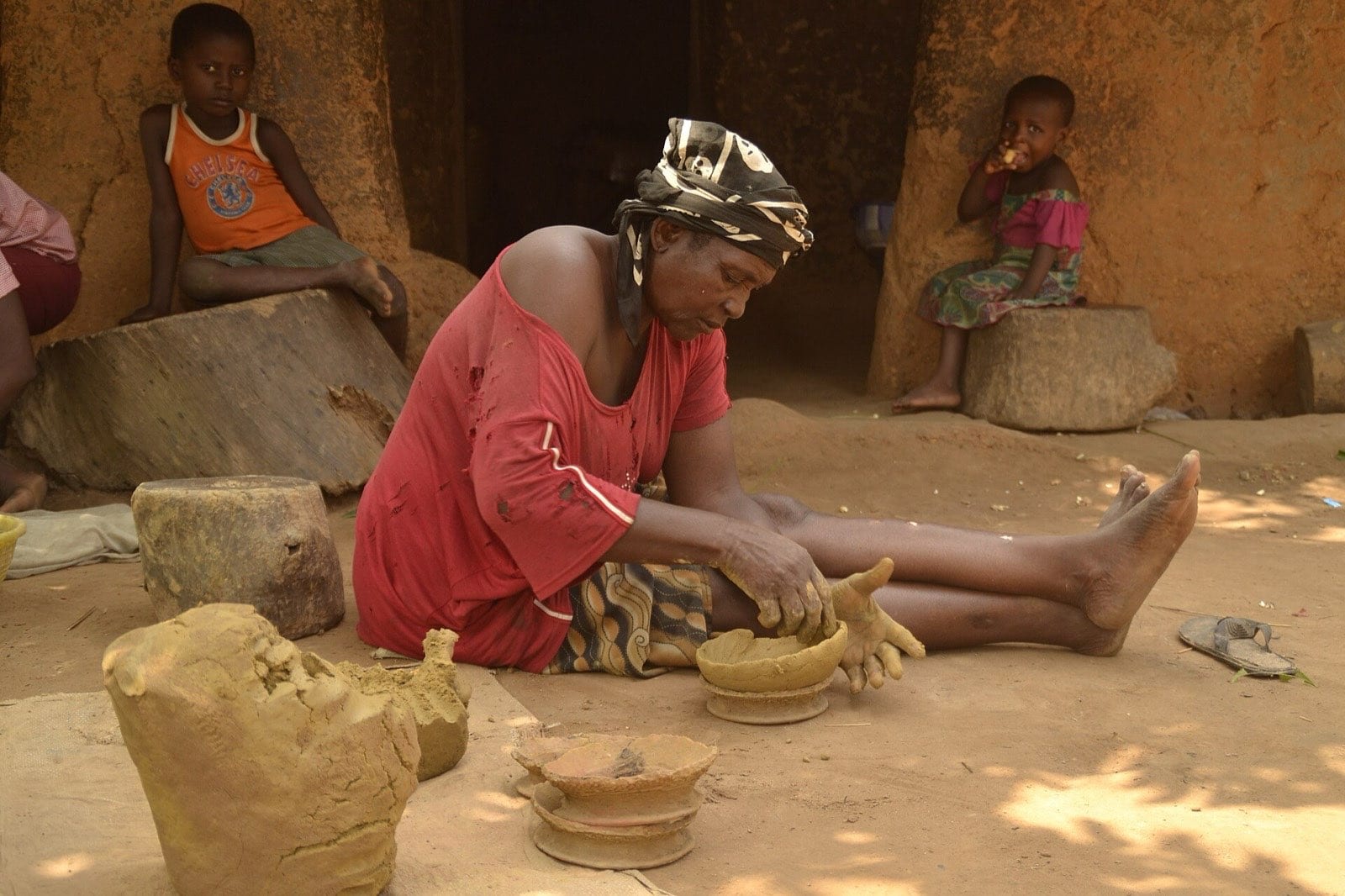
Ikpu ite: the pots and the last people making them
Hand-built water pots, made the way they have always been made, by women who are candid that nobody young is learning.