Collection
Buildings We Should Remember
A fourteenth-century minaret, seven hundred years of earth wall, and a hall built to mark a hundred years of peace.
Earth architecture survives by being maintained, not by being left alone — which makes every surviving building an argument that somebody, for some period, thought it was worth the trouble. These are the ones where that argument is still being had.
- Local historyKatsina12.99°N 7.60°E
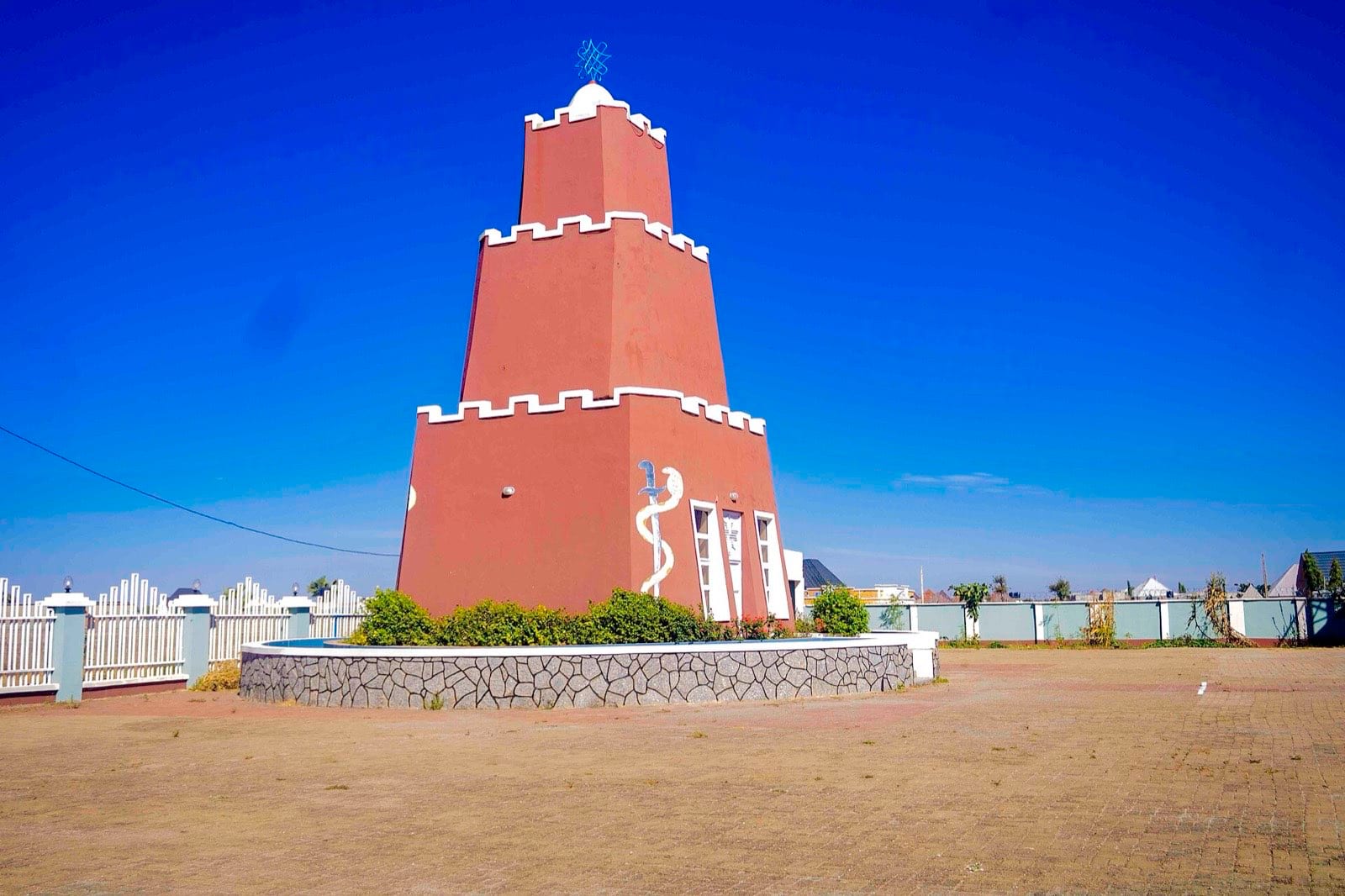
The minaret that outlived its city walls
Gobarau has stood in Katsina since the fourteenth century, when the town was a stop on the scholars' road between Timbuktu and Cairo.
- Local historyZaria11.09°N 7.72°E
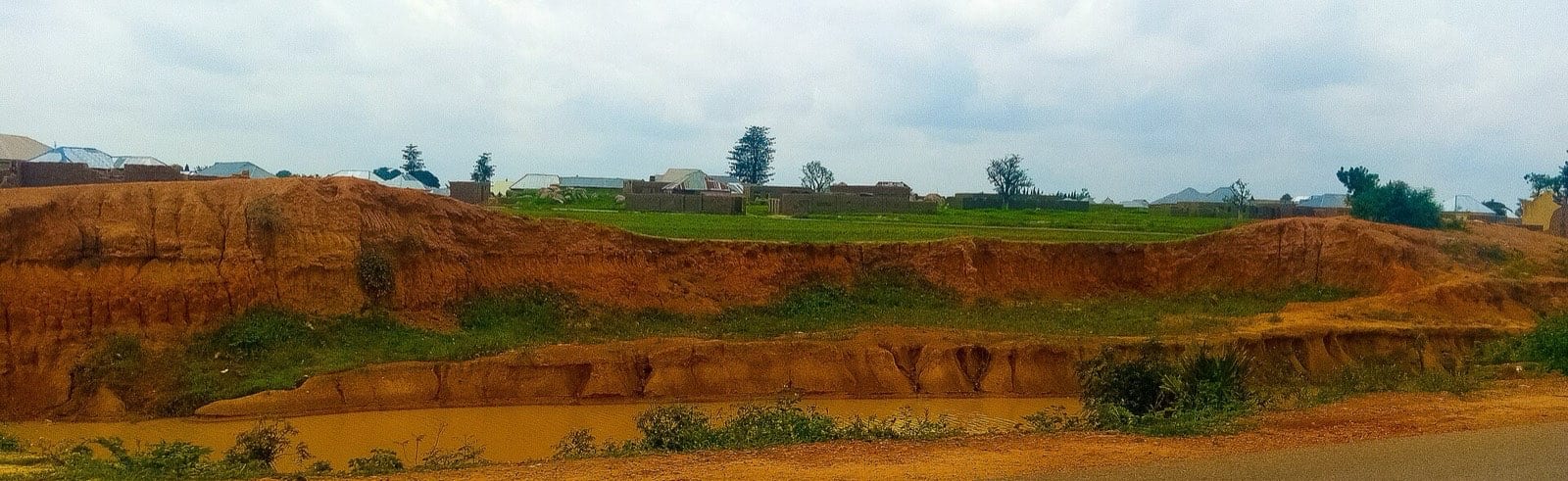
Zaria's walls are going back to the ground
Seven hundred years of earth fortification, and no clear answer to who is supposed to maintain them.
- Local historyAbeokuta7.16°N 3.35°E
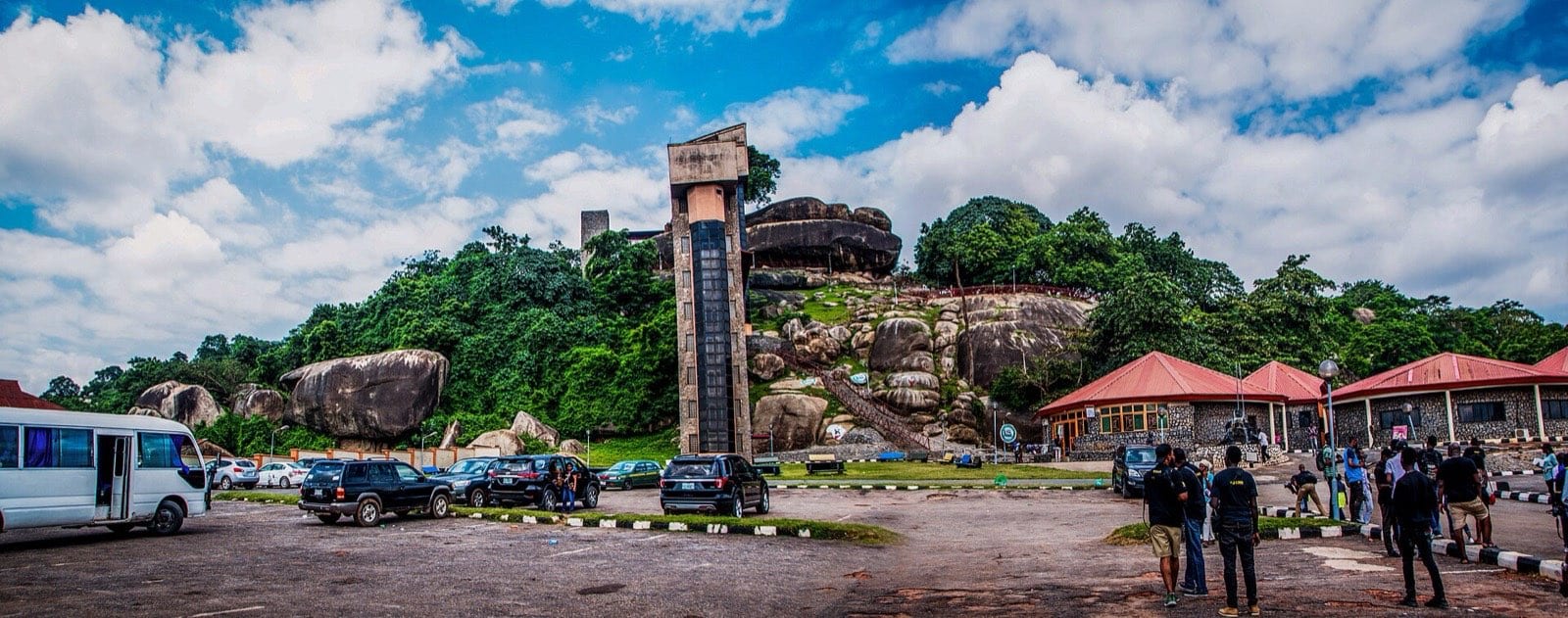
A town that is still arranged around its rock
Egba refugees settled under Olumo in the 1830s because it could be defended. Everything since has been built outward from that decision.
- Oral historyArochukwu5.39°N 7.91°E
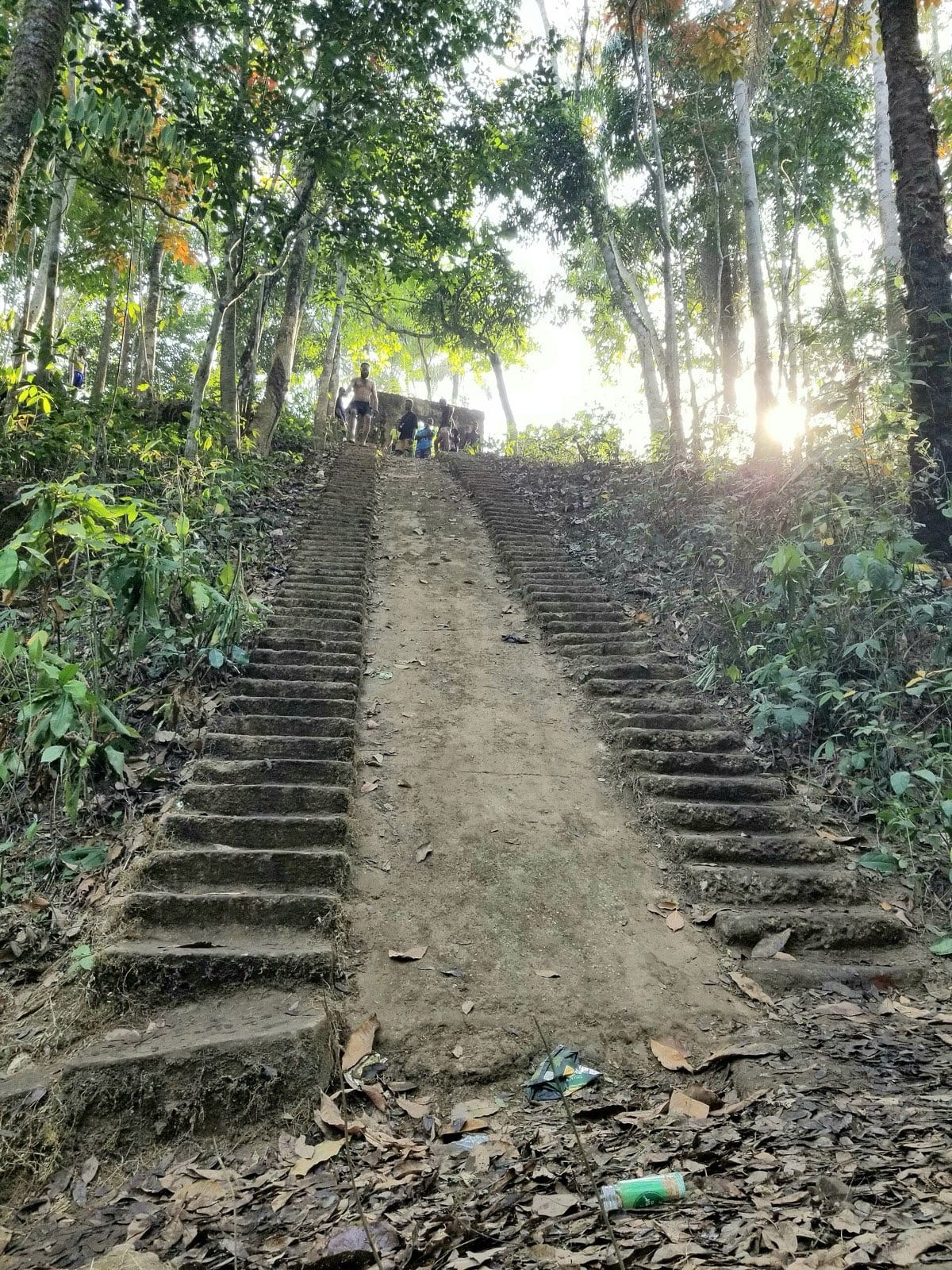
The oracle that ran the interior
Arochukwu governed trade across the Igbo interior through a shrine, until the British destroyed it in 1902.